Insurance Claim Documentation in Durham, NC
We handle insurance claim documentation by starting with the roof evidence owners can act on: photos, access limits, drainage notes, wet-area clues, and the operating constraints around NC-147 and I-40 service-window planning.
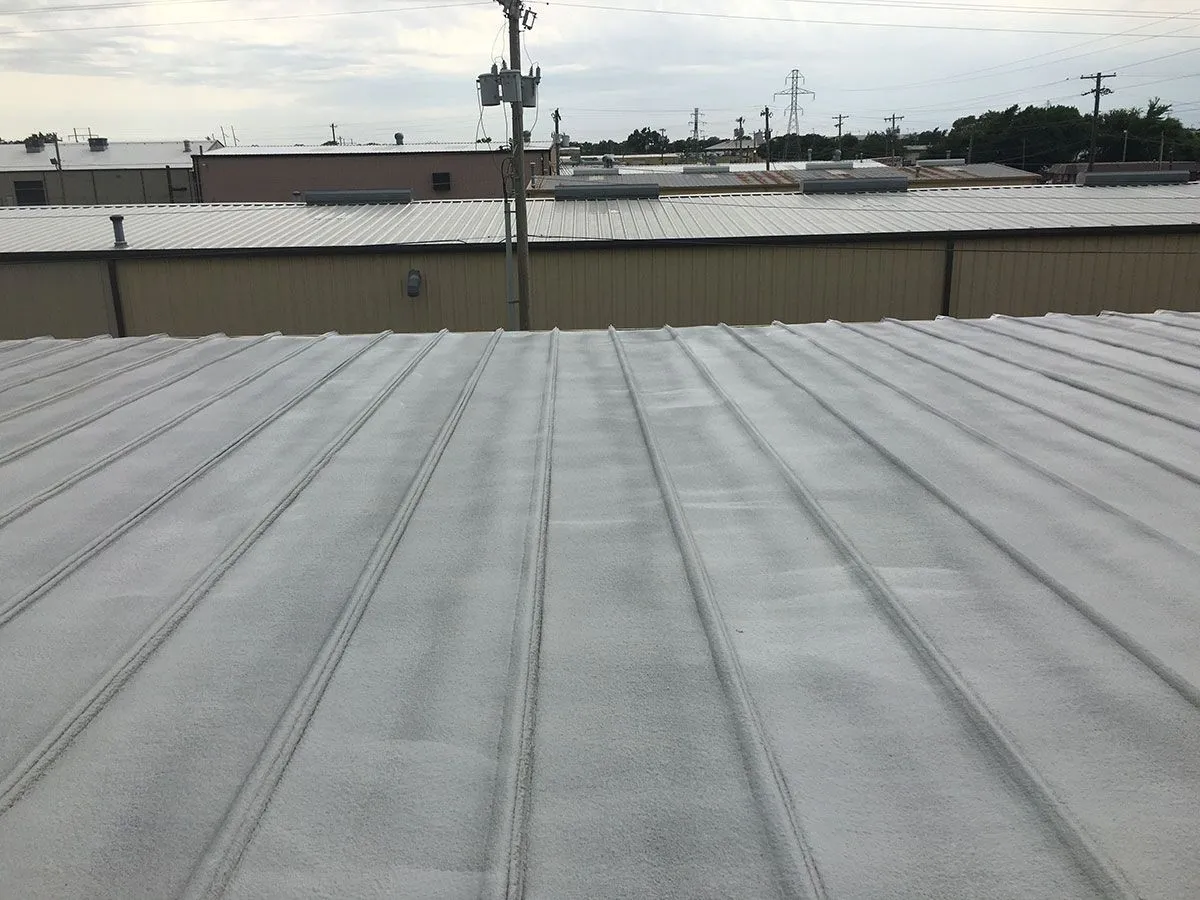
Fast answers still need roof evidence.
We separate the leak, access, schedule, and material questions before a recommendation is priced. Around Downtown Durham storm-drain and rooftop-equipment density and Golden Belt and Brightleaf adaptive-reuse roof details, the right scope often depends on timing as much as material choice.
Start ReviewWhat gets checked.
We document the roof condition in plain language so ownership can choose repair, recovery, coating, or replacement with fewer surprises. The recommendation stays practical: what should be controlled now, what needs pricing, and what deserves a capital plan before the next weather window.
We look at membrane seams, roof drains, edge metal, penetrations, rooftop units, previous repairs, and safe access before pricing work.
What owners receive.
A written scope with photos, limits, schedule notes, and a practical recommendation for repair, recovery, coating, or replacement.
Contact UsRelated Roof Paths
Compare the next decision.
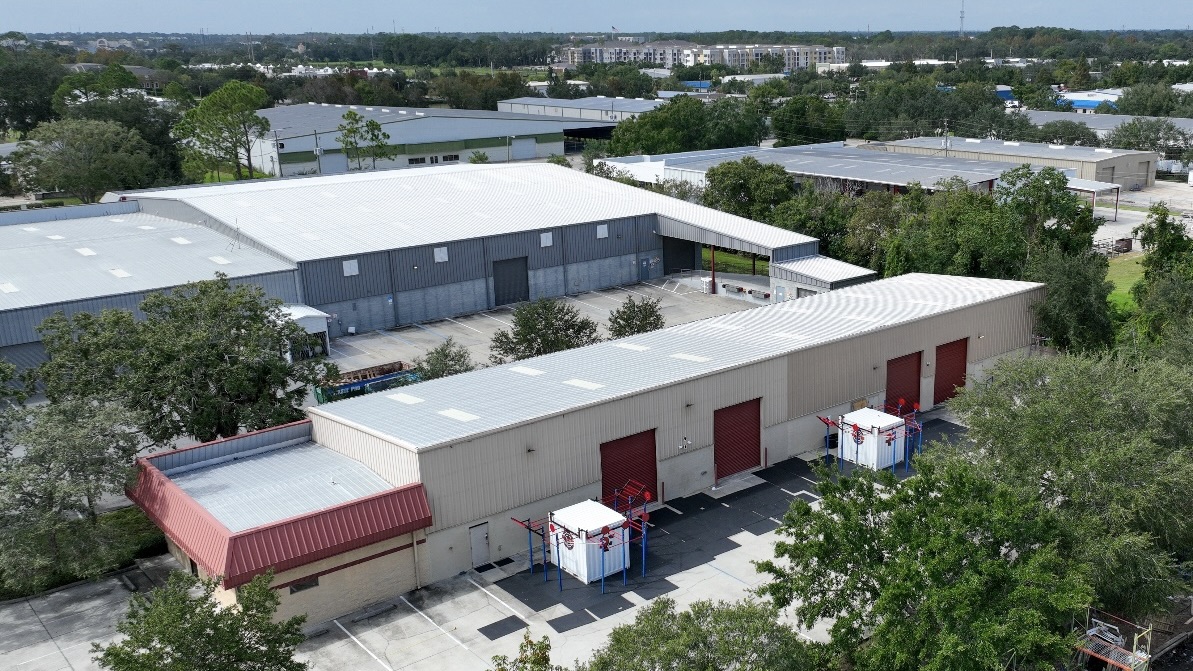
Commercial Roof Insurance Claims
The full claims pillar - documentation, adjuster meetings, and complete-scope reporting for Durham commercial roofs.
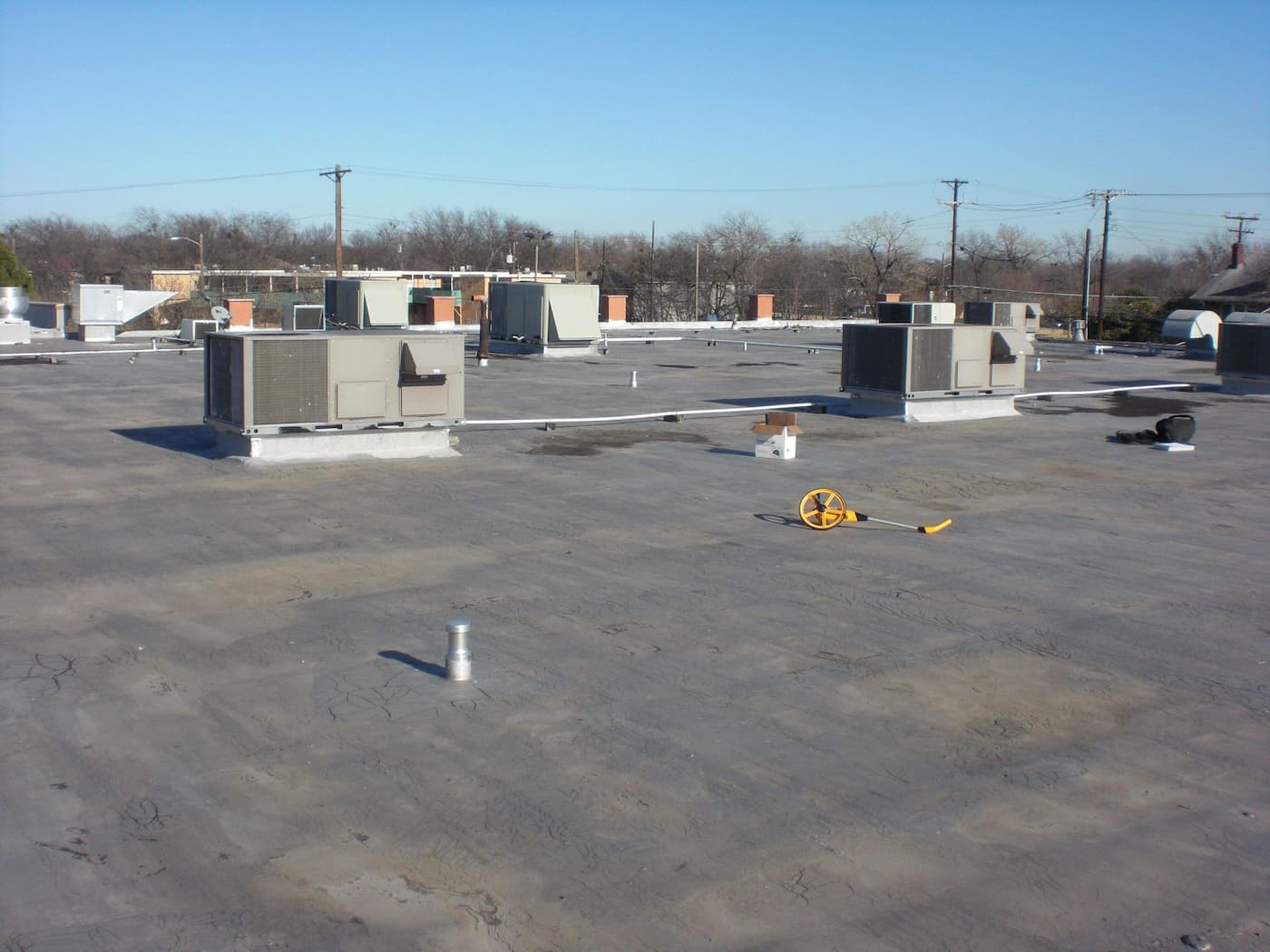
Hail Damage Insurance Claims
Impact mapping and soft-metal evidence built for the Triangle's spring and early-summer hail season.
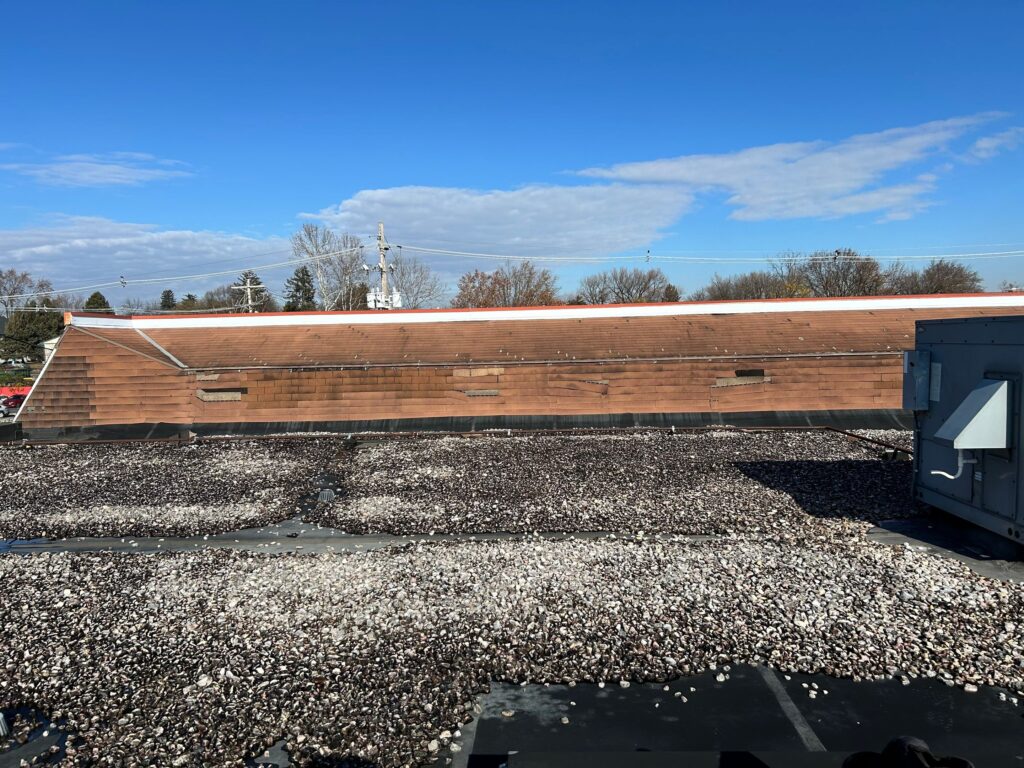
Wind and Storm Damage Claims
Straight-line wind, severe thunderstorm, and hurricane-remnant claim documentation for Durham roofs.
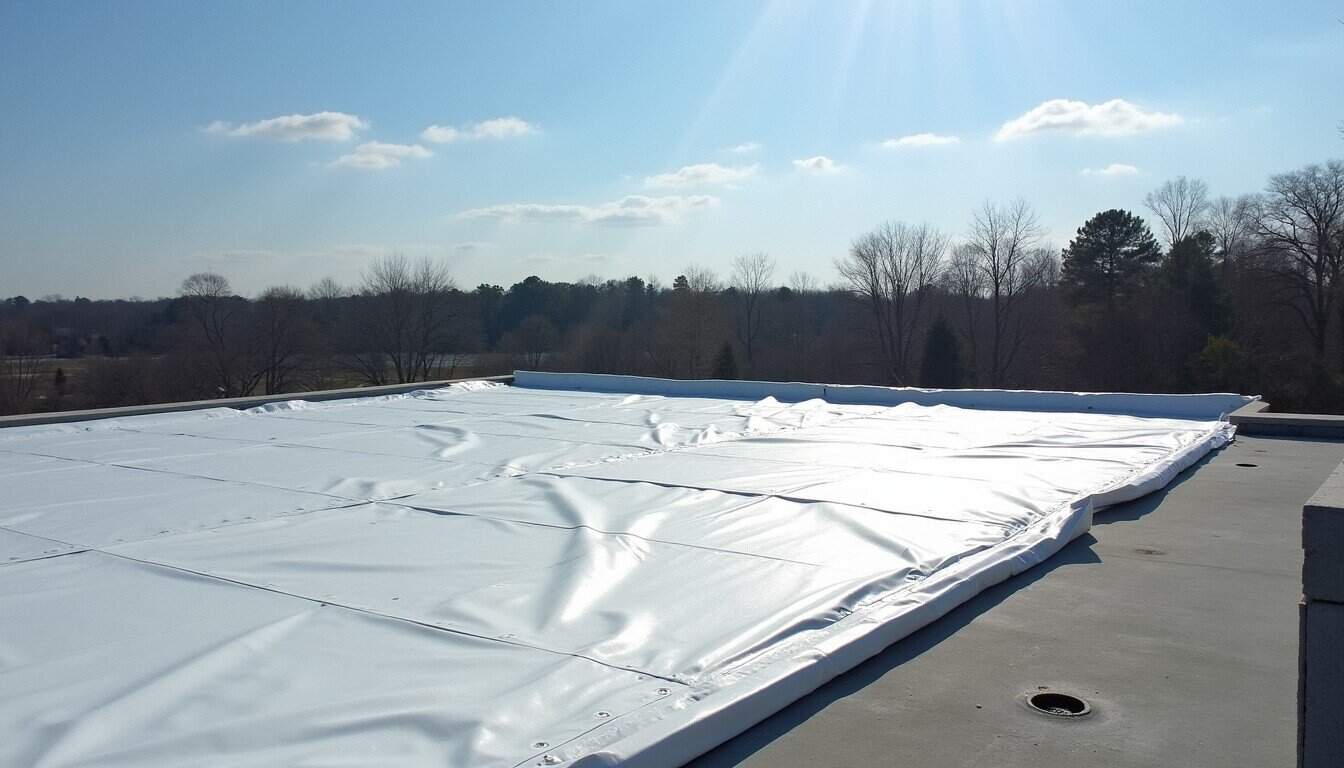
Storm Damage Roof Repair
Once the claim documentation is done, this is the repair work it supports - temporary dry-in through permanent scope.
Services
Insurance Claim Documentation for commercial buildings across Durham, Research Triangle Park, Chapel Hill, Raleigh, and the greater Triangle commercial corridor.
A commercial roof insurance claim lives or dies on documentation. The adjuster who comes to your building after a storm is looking for specific evidence: impact marks consistent with hail, membrane or edge metal deformation consistent with wind uplift, water entry patterns consistent with acute storm damage rather than long-deferred maintenance. If that evidence is thoroughly recorded before anyone else touches the roof - with time-stamped photographs, measurements, written condition notes, and a clear cause-of-loss narrative - the claim process moves faster and disputed items are fewer. If the documentation is thin, adjusters fill the gaps with their own interpretation, and that interpretation doesn't always favor the building owner.
The Triangle's storm calendar makes insurance documentation a recurring part of owning commercial property here. Spring hail events from April through June, straight-line wind events from summer convective storms, and hurricane-remnant rain events from late August through October mean that most commercial roofs in Durham and the RTP area experience at least one significant weather event per year that warrants at least a post-storm inspection. Buildings along the I-40/I-85 corridor have had seasons with three or four hail-producing events between April and June. Cumulative damage from repeated storms is real, and documenting each event separately - including events that didn't produce immediate leaks - creates a record that supports a future claim when damage accumulates to the point of needing repair.
What we do on a documentation inspection is methodical. We walk the entire roof rather than only the areas around visible leaks. We photograph every impacted area with close-up and context shots, with a measuring reference in frame for scale. We note the condition of soft metals - HVAC panels, lead pipe flashings, aluminum coping - because these register hail impacts clearly and provide corroborating evidence of storm severity. We record the condition of seams, field membrane, edge metal, and penetration flashings, and we distinguish between what's consistent with acute storm damage and what appears to be pre-existing wear. That distinction matters enormously when an adjuster is deciding what's covered.
Pre-storm documentation is the most underused tool in commercial roof risk management. An inspection report completed before a storm event - with photographs showing the roof's condition on a specific date - gives you a baseline that post-storm documentation can be measured against. Without that baseline, an adjuster has no way to know whether a seam failure or a deteriorated flashing existed before the storm or resulted from it. For buildings in Durham's office and lab park sector, where roof systems represent significant replacement value, a pre-storm inspection report done in March before hail season is genuine risk management, worth more than a filed-away paperwork record.
Owners and property managers at Duke University-area office buildings, healthcare-adjacent facilities, and Research Triangle Park campuses often work with risk managers or corporate property insurance programs that have specific documentation requirements. We're familiar with those frameworks - loss control consultant requirements, carrier-specific inspection formats, COPE data documentation (construction, occupancy, protection, exposure) - and can tailor our inspection reports to fit what the insurance program needs. A report that matches the adjuster's expected format moves through review faster than one that has to be translated.
There are things we can and can't certify, and we're direct about that line. We can describe what we observe on the roof surface and in the roof assembly. We can note that impact marks are consistent in size, density, and distribution with hail of a particular approximate diameter. We can describe edge metal deformation consistent with wind uplift forces. What we can't do is provide a forensic engineering certification of storm causation - that requires a licensed engineer with forensic credentials and carries a different level of professional liability. For straightforward claims on standard commercial roofs, our inspection report is typically sufficient. For large or disputed claims, a forensic engineer may be warranted, and we can refer you to engineers we've worked with in the Triangle.
Working with adjusters directly is part of what we offer. We can be on the roof during the adjuster's inspection, walk them through what we found, show them the specific evidence points in our documentation, and answer technical questions about the roof system and the damage pattern. Adjusters who handle commercial accounts regularly appreciate a knowledgeable contractor who can explain why a particular detail failed under storm conditions - it makes their assessment faster and more accurate. Adjusters who are less familiar with commercial roofing sometimes need more background, and we provide that without being adversarial about it.
Supplement documentation - additional damage found after the initial claim is filed - is common on commercial roofs where the full extent of damage isn't visible on the first adjuster visit. We prepare supplement documentation that's consistent in format with the original claim file: same photo standards, same measurement approach, same written condition notes. If we found something during repair work that wasn't visible on the initial inspection - saturated insulation board under an apparently intact membrane, for example - that goes into a supplement with explanation of how it was discovered and why it's attributable to the storm event.
For property managers handling multiple Triangle-area buildings, we can maintain a documentation history across your portfolio - inspection reports tied to specific properties and dates, storm event records matched to building addresses, and a running inventory of documented conditions. That kind of organized record is valuable when renewal time comes around and your insurance broker is negotiating on your behalf, or when a multi-year claim pattern needs to be explained to an underwriter.
This documentation service is one piece of a larger claims picture. Our commercial roof insurance claims page covers the full process end to end - what a claim requires, how the adjuster meeting works, and how a denied or underpaid claim gets supplemented. If your damage traces to a specific peril, our hail damage insurance claims and wind and storm damage insurance claims pages go into the evidence specific to each.
We're your roofing contractor, not a public adjuster - we document and substantiate the roof damage so you and your adjuster work from an accurate scope. We don't file claims, negotiate settlements, or guarantee what a carrier will pay.
Commercial Roofing of Durham
Questions Owners Ask
How soon after a storm should we get documentation done?
As soon as the roof is safe to walk - typically the day after the storm or within a few days. The physical evidence of hail impact is clearest before foot traffic, additional weather events, or any repair work obscures it. Adjusters also understand that some deterioration of evidence occurs over time; documentation done quickly after the event carries more weight than documentation done weeks later.
Our roof has some pre-existing issues. Does that kill our storm damage claim?
Not necessarily. Pre-existing conditions complicate claims but don't automatically eliminate coverage for new storm damage. The key is honest, clear documentation that distinguishes the pre-existing conditions from the storm damage. A claim that tries to include pre-existing wear as storm damage is likely to get disputed entirely; a claim that cleanly separates the two often results in coverage for the storm-damage portion. We document what we see accurately, which serves you better in the long run than inflated descriptions that create claim disputes.
Can you produce documentation that will satisfy our corporate insurance program's requirements?
Yes. We've worked with commercial property programs administered through large brokers and carriers with specific documentation formats and loss control requirements. Tell us what your program requires - specific photo standards, measurement formats, COPE data, signed inspection forms - and we'll produce documentation that fits. It's worth giving us that information before the inspection so we capture everything in one visit rather than going back for additional data points.
The adjuster already came and issued a low estimate. Is it too late for better documentation?
It's not too late, but it's harder. If there's damage the adjuster missed or undervalued, a supplement claim supported by detailed documentation from an independent contractor inspection is a legitimate path. The documentation needs to be thorough enough to explain specifically what was missed and why it's storm-related. We've helped building owners successfully supplement initial low estimates on Triangle commercial properties - it takes more work than getting the documentation right upfront, but it's worth pursuing on significant roof systems.
What's the value of an inspection report before storm season starts?
A pre-storm inspection establishes the roof's condition on a specific date before any storm occurs. After a storm, it gives you and the adjuster a clear before/after comparison rather than a dispute about what was storm-caused versus pre-existing. It also identifies marginal conditions that could become failures in a storm, so you can address them proactively. For buildings with significant roof area - warehouse, office campus, hospital - the cost of a pre-season inspection is small relative to the claim clarity it provides.