Commercial Roof Insurance Claim Assistance in Durham, NC
We document commercial roof damage so your insurance claim reflects what actually happened: dated photos, measurements, soft-metal witness marks, and a written scope your adjuster can act on - from Research Triangle Park office campuses to American Tobacco District conversions.
Claims are won or lost on documentation, not description.
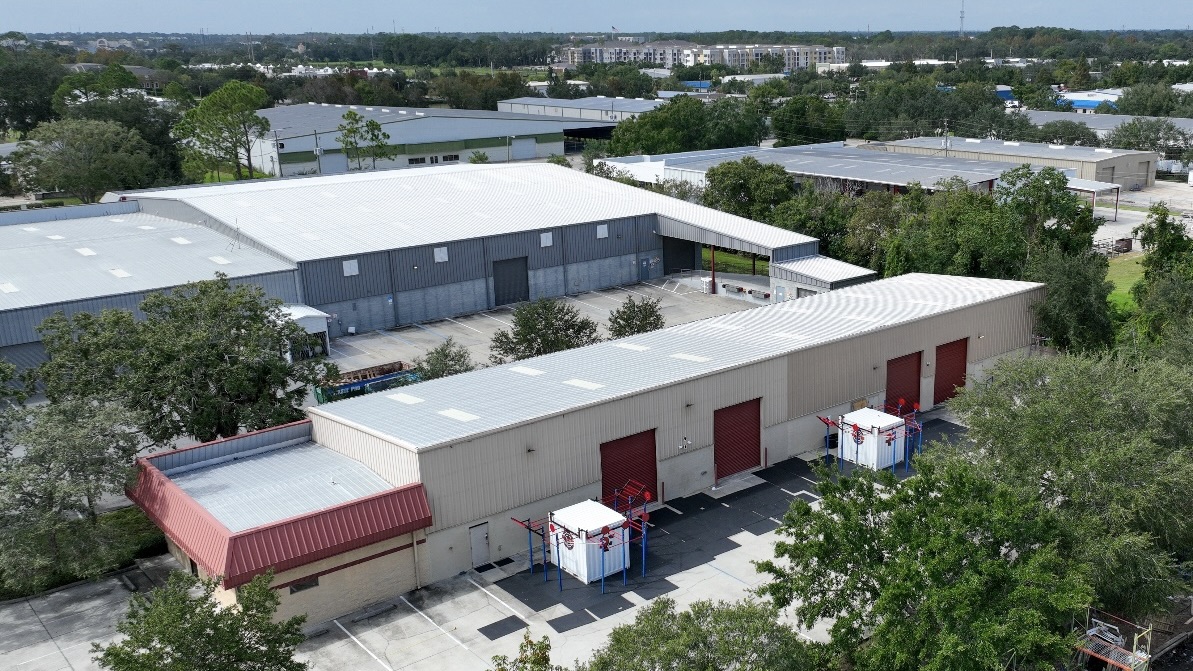
An adjuster reads evidence, not adjectives. Around Duke-adjacent medical office buildings and Brightleaf District retail conversions, our job is to put dated photographs, measurements, and a written cause-of-loss record in front of your carrier before anyone has to argue about what the storm did.
Start ReviewWhat we document.
A full roof walk, not a spot check near the known leak. We photograph impact and deformation with a measuring reference in frame, check soft metals for corroborating witness marks, and record drainage and penetration conditions that storms tend to expose.
We separate what's consistent with the storm date from what looks like ordinary wear, because that distinction is usually what decides whether a claim line gets paid or disputed.
What owners receive.
A written, dated damage record with photos, measurements, and a full repair or replacement scope - built to hand directly to your adjuster or your broker.
Contact UsRelated Roof Paths
Compare the claim path that fits.
Hail Damage Insurance Claims
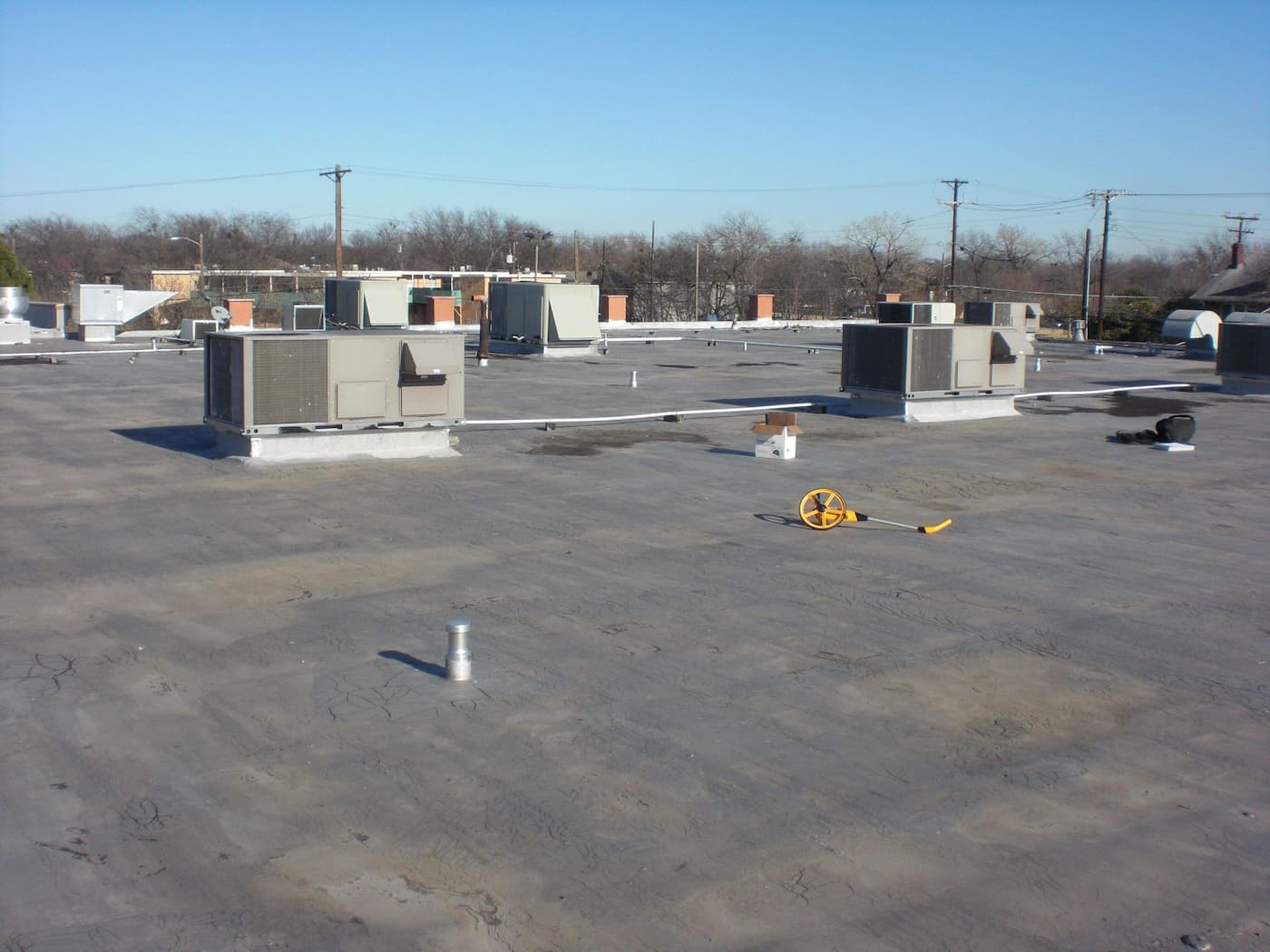
Documentation built for the Triangle's spring and early-summer hail events, from impact mapping to soft-metal witness marks.
Wind and Storm Damage Claims
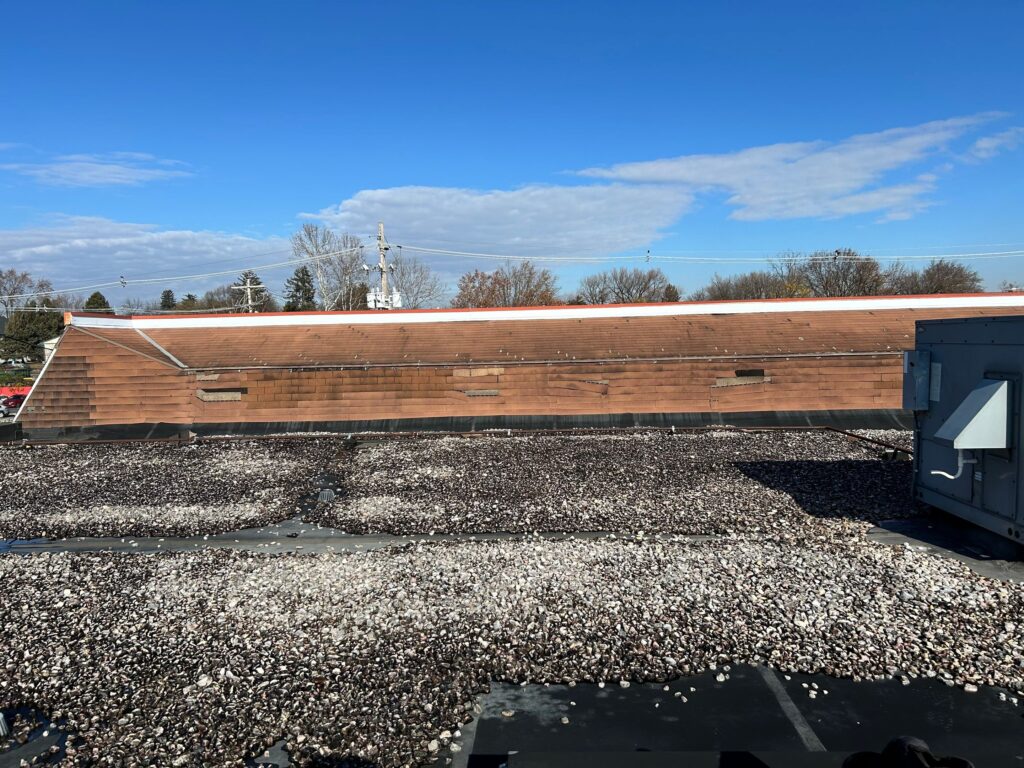
Straight-line wind, severe thunderstorm, and hurricane-remnant claim documentation for Durham commercial roofs.
Insurance Claim Documentation
The inspection and reporting service behind every claim we support - photos, measurements, and cause-of-loss notes.
Commercial Roof Inspection
A full roof-condition inspection is the baseline every claim record gets measured against.
Services
Commercial roof insurance claim documentation for buildings across Durham, Research Triangle Park, Chapel Hill, Raleigh, and the greater Triangle commercial corridor.
A commercial roof insurance claim is decided on the strength of the record, not on the size of the damage. An adjuster who walks a roof at a Research Triangle Park office campus or an American Tobacco District warehouse conversion is looking for specific, physical evidence: hail impact consistent with a documented storm date, wind-uplift deformation at the parapet or curb line, water-entry patterns that trace back to a storm event rather than years of deferred maintenance. Building owners who bring a thin file to that inspection - a few phone photos and a leak description - tend to get a thin settlement. Building owners who bring a documented roof, with dated photographs, measurements, and a written condition record, tend to get a claim that reflects what actually happened.
Our role in that process is specific and limited on purpose. We're a commercial roofing contractor with Triangle-area experience, not a public adjuster or an attorney. We inspect the roof after a wind or hail event, photograph and measure the damage, note what's consistent with storm impact and what predates it, and produce a written scope that a carrier's estimator can work from. We meet the adjuster on the roof when that's useful, point out specific evidence, and answer technical questions about the roof assembly. We don't file the claim on your behalf, we don't negotiate the settlement, and we don't promise a payout figure - that line belongs to your broker, your adjuster, and if the claim gets disputed, a public adjuster or coverage attorney.
What a claim requires starts before the storm, if you let it. A dated inspection report on a roof at a Duke-adjacent medical office building or a Brightleaf District retail conversion gives you a documented baseline - what the membrane, drains, and edge metal looked like on a specific date, before any storm touched them. Without that baseline, an adjuster has no way to separate storm damage from pre-existing wear, and ambiguity in a claim file almost always gets resolved against the owner. With it, a post-storm inspection becomes a straightforward before-and-after comparison instead of an argument.
Damage documentation itself is methodical work, not a quick walk with a phone camera. We cover the entire roof field rather than the area near a known leak, because hail and wind damage is rarely confined to one spot. We photograph impact points and deformation with a measuring reference in frame, we check soft metals - HVAC curb caps, coping, pipe flashings - because they register hail impact clearly and corroborate storm severity even where the membrane itself shows less obvious marking, and we note drainage, ponding, and penetration conditions that hurricane-remnant rain events tend to expose. Every observation gets written down in language an adjuster can act on, distinguishing what's consistent with the storm date from what looks like ordinary aging.
Meeting the adjuster on the roof changes how a claim moves. An adjuster who covers a wide territory across the Triangle and beyond isn't always a roofing specialist, and a knowledgeable contractor on-site who can point to a specific impact pattern and explain why it's consistent with hail of a given size, or why an edge-metal fastener pattern failed under wind uplift, gives that adjuster something concrete to work from. It doesn't guarantee a particular outcome, but a technical, evidence-based conversation on the roof tends to move a claim faster than a paper-only estimate built from a drive-by look.
Complete-scope framing is where a lot of commercial claims fall short. An insurance estimate written to the minimum visible damage often misses what a proper repair or replacement actually requires: code-mandated upgrades that weren't part of the original roof, matching material for a membrane that's discontinued and has to be replaced field-wide instead of patched, or tapered insulation work needed to correct drainage that the storm exposed but didn't cause outright. We itemize that full scope in our documentation - not to inflate the claim, but so nothing legitimate gets left out of the record before the adjuster prices it.
Denied and underpaid claims happen, and they're not always the end of the process. If our inspection turns up damage that an initial adjuster visit missed - a run of edge metal on the far side of a low-slope roof, saturated insulation under an apparently intact membrane, soft-metal witness marks that corroborate a hail date - we prepare supplement documentation in the same format as the original file: dated photos, measurements, and a written explanation of what was found and why it's attributable to the storm. From there, whether to push a supplement, escalate a dispute, or bring in a public adjuster is a decision for you, your broker, and if it comes to it, an attorney - we hand over an accurate, defensible record and step back at that line.
We're your roofing contractor, not a public adjuster - we inspect, document, and produce an accurate scope of the roof damage so you and your adjuster are working from the same evidence. We don't file claims, negotiate settlements, or guarantee what a carrier will pay.
Questions Owners Ask
It depends on the cause of loss and your policy's roof-coverage endorsement. Storm, wind, and hail damage are typically covered perils on a standard commercial property policy, though many carriers have shifted older roofs to actual-cash-value or roof-schedule endorsements that pay less than a full replacement. We document what happened to the roof and let your policy language and your adjuster determine what's owed - we don't interpret coverage or promise a specific outcome.
Damage happens, you report it to your carrier, an adjuster is assigned, and someone inspects the roof - ideally with your contractor present. From there the adjuster writes an estimate, and the claim is settled, disputed, or supplemented if additional damage is found. We support the middle of that process: documenting the roof before the adjuster arrives, being on the roof during the inspection, and preparing a scope that reflects everything the storm actually did.
A denial or a low estimate isn't always the final word. If our documentation shows damage the adjuster's report doesn't account for - a section of membrane, a run of edge metal, matching material that's no longer manufactured - we can prepare a supplement package with photos, measurements, and a written explanation for your carrier to review. For claims that stay disputed, a public adjuster or attorney who specializes in coverage disputes is the right next step; that's outside what a roofing contractor does.
It comes down to what the roof assembly can support. If the damage is isolated - a punctured field, a section of blown-off edge metal - and the rest of the membrane is sound, a repair scope is honest and appropriate. If the damage is distributed across the field, if insulation is saturated over a wide area, or if a repair would leave mismatched membrane and voided warranty coverage on an already-aged roof, replacement is the more defensible scope. We document the condition either way and let the evidence drive the recommendation.
We're a roofing contractor, not a public adjuster - we don't negotiate settlements, file claims, or represent you before your carrier. What we do is inspect the roof, document the damage with photos and measurements, meet the adjuster on the roof to point out what we found, and put together a scope that reflects the full extent of the damage. You and your adjuster work from that record; the negotiation itself stays between you, your broker, and your carrier.
Commercial Roofing of Durham
Questions Owners Ask
Does commercial property insurance cover roof replacement?
It depends on the cause of loss and your policy's roof-coverage endorsement. Storm, wind, and hail damage are typically covered perils on a standard commercial property policy, though many carriers have shifted older roofs to actual-cash-value or roof-schedule endorsements that pay less than a full replacement. We document what happened to the roof and let your policy language and your adjuster determine what's owed - we don't interpret coverage or promise a specific outcome.
What does the claim process actually look like for a commercial roof?
Damage happens, you report it to your carrier, an adjuster is assigned, and someone inspects the roof - ideally with your contractor present. From there the adjuster writes an estimate, and the claim is settled, disputed, or supplemented if additional damage is found. We support the middle of that process: documenting the roof before the adjuster arrives, being on the roof during the inspection, and preparing a scope that reflects everything the storm actually did.
Our claim came back denied or underpaid. What are our options?
A denial or a low estimate isn't always the final word. If our documentation shows damage the adjuster's report doesn't account for - a section of membrane, a run of edge metal, matching material that's no longer manufactured - we can prepare a supplement package with photos, measurements, and a written explanation for your carrier to review. For claims that stay disputed, a public adjuster or attorney who specializes in coverage disputes is the right next step; that's outside what a roofing contractor does.
How do you decide between repair and full replacement in a claim scope?
It comes down to what the roof assembly can support. If the damage is isolated - a punctured field, a section of blown-off edge metal - and the rest of the membrane is sound, a repair scope is honest and appropriate. If the damage is distributed across the field, if insulation is saturated over a wide area, or if a repair would leave mismatched membrane and voided warranty coverage on an already-aged roof, replacement is the more defensible scope. We document the condition either way and let the evidence drive the recommendation.
Will you deal with the insurance company directly on our behalf?
We're a roofing contractor, not a public adjuster - we don't negotiate settlements, file claims, or represent you before your carrier. What we do is inspect the roof, document the damage with photos and measurements, meet the adjuster on the roof to point out what we found, and put together a scope that reflects the full extent of the damage. You and your adjuster work from that record; the negotiation itself stays between you, your broker, and your carrier.