
TPO Single-Ply Roofing in Durham, NC
We handle TPO single-ply roofing by starting with the roof evidence owners can act on: photos, access limits, drainage notes, wet-area clues, and the operating constraints around Downtown Durham storm-drain and rooftop-equipment density.
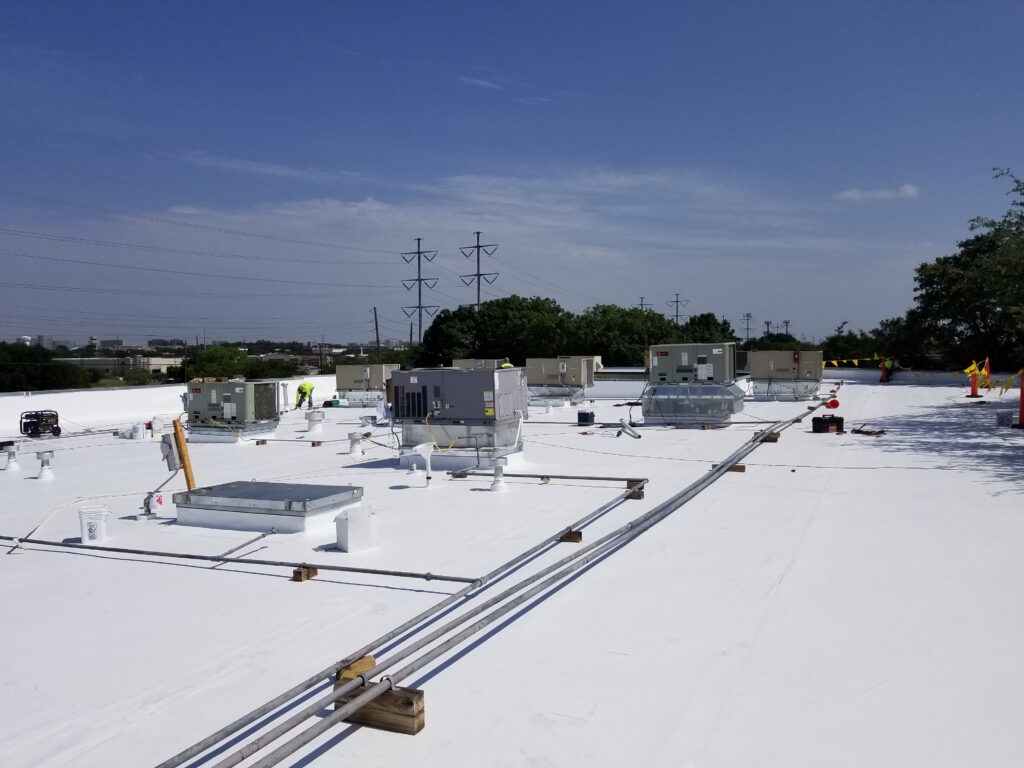
Fast answers still need roof evidence.
We plan the work around active tenants, roof access, weather exposure, and the actual system already on the building. Around Golden Belt and Brightleaf adaptive-reuse roof details and Research Triangle Park lab and office schedules, the right scope often depends on timing as much as material choice.
Start ReviewWhat gets checked.
We separate the leak, access, schedule, and material questions before a recommendation is priced. The recommendation stays practical: what should be controlled now, what needs pricing, and what deserves a capital plan before the next weather window.
We look at membrane seams, roof drains, edge metal, penetrations, rooftop units, previous repairs, and safe access before pricing work.
What owners receive.
A written scope with photos, limits, schedule notes, and a practical recommendation for repair, recovery, coating, or replacement.
Contact UsRelated Roof Paths
Compare the next decision.
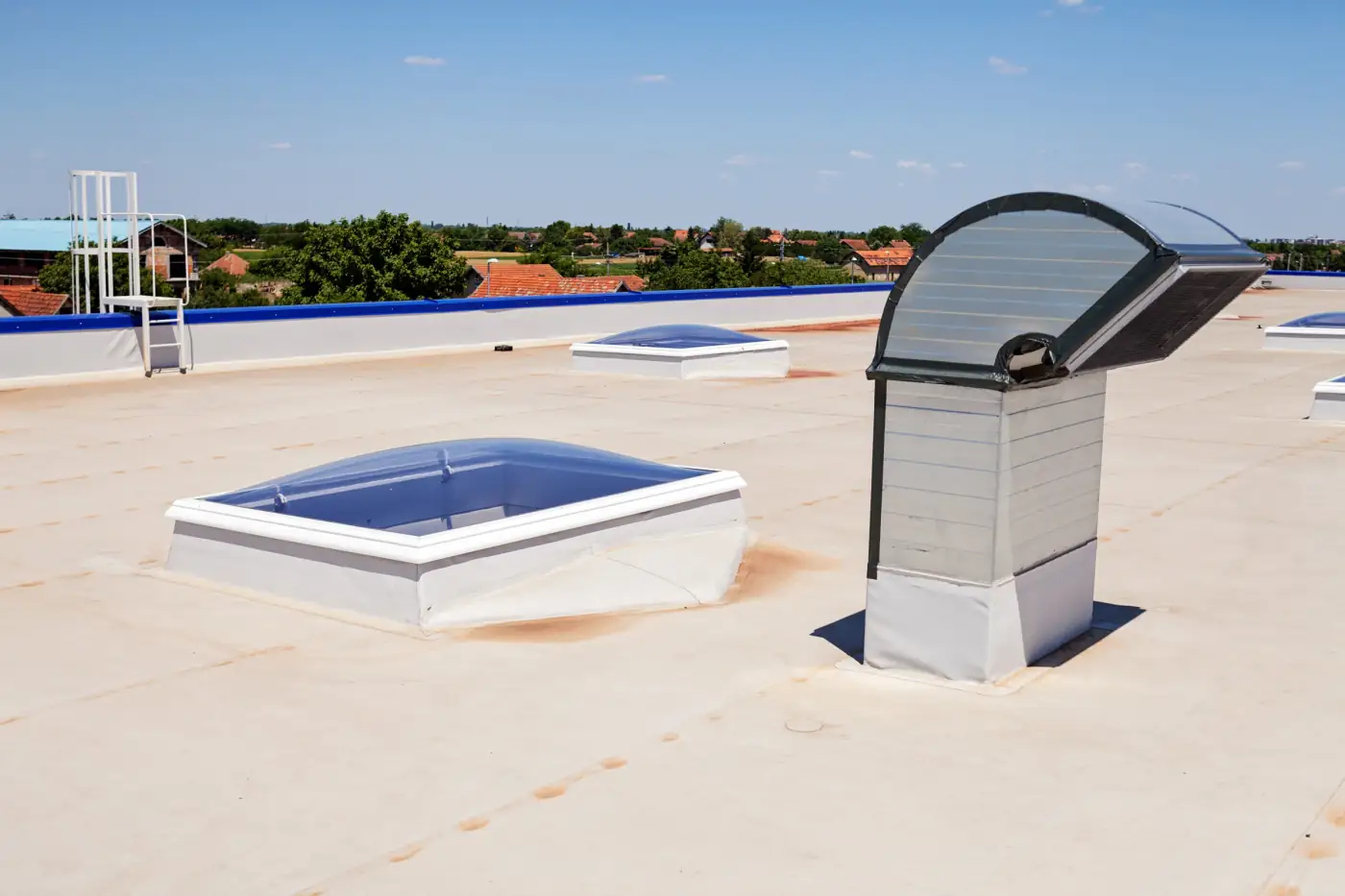
Commercial Roofing
Commercial Roofing starts with roof evidence around Duke Health and Duke University occupied-building constraints. We separate the leak, access, schedule, and material questions before a recommendation is priced.
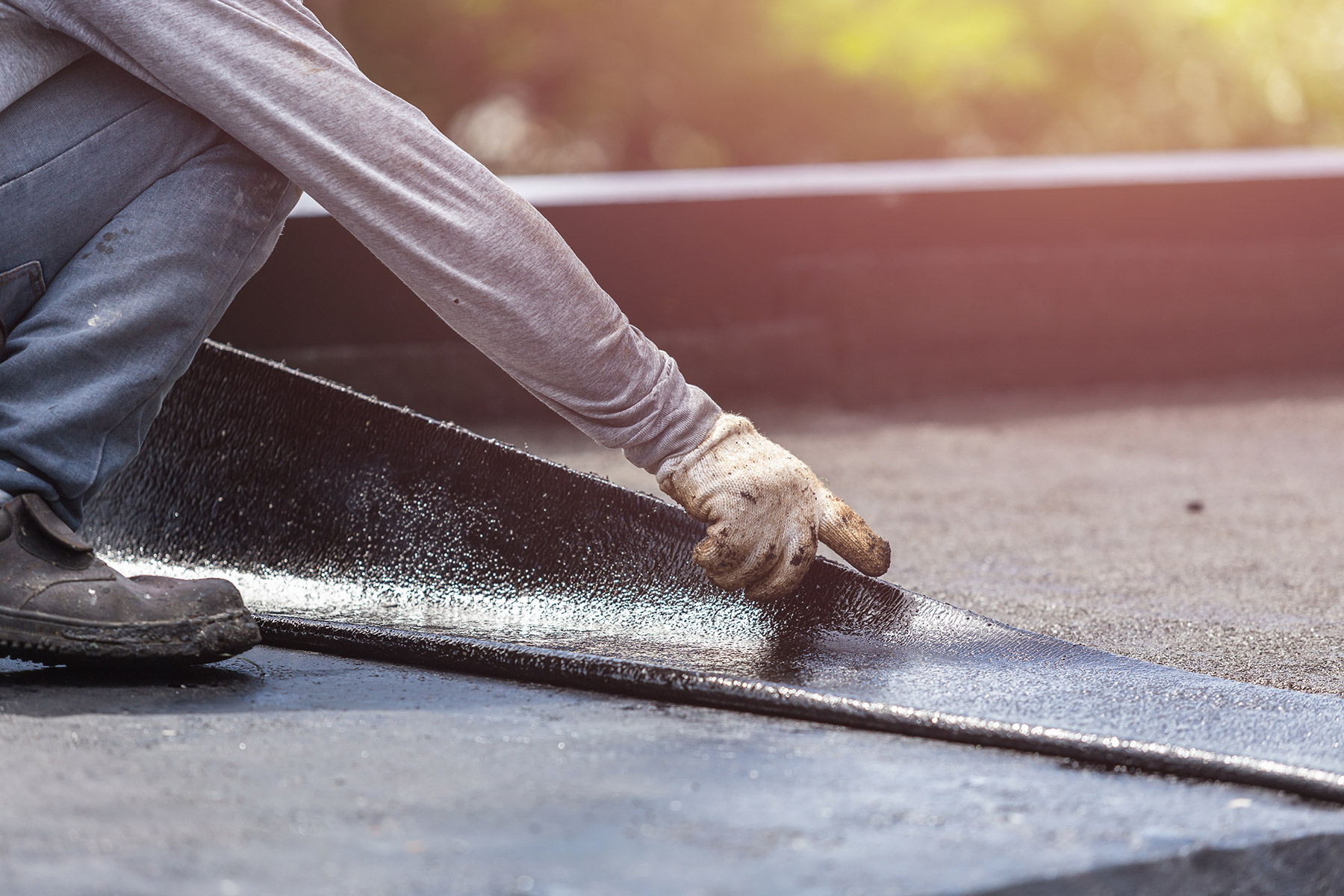
Commercial Roof Replacement
Commercial Roof Replacement starts with roof evidence around American Tobacco Campus roof access and tenant-hour limits. We separate the leak, access, schedule, and material questions before a recommendation is priced.
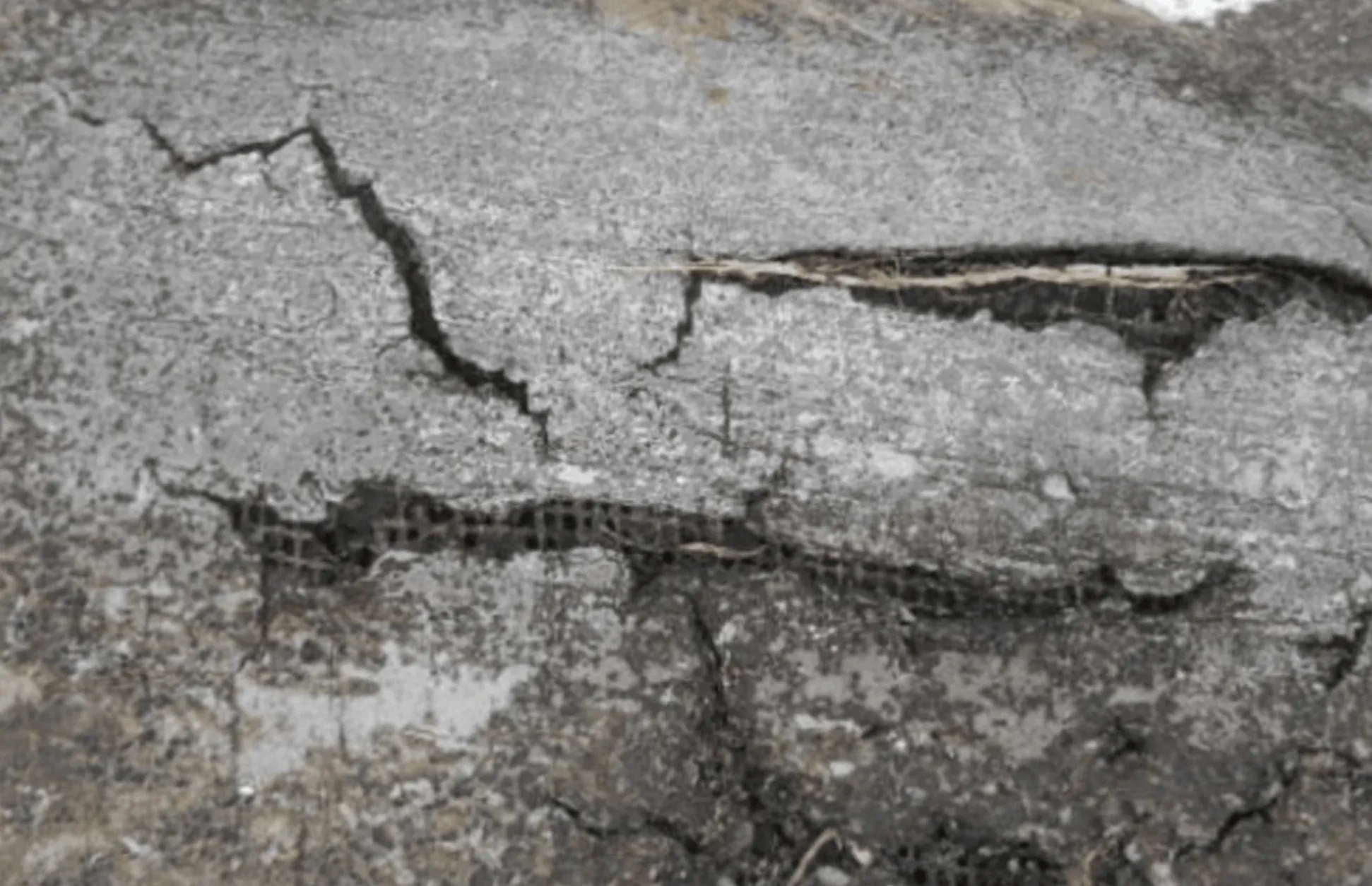
Commercial Roof Leak Repair
Commercial Roof Leak Repair starts with roof evidence around NC-147 and I-40 service-window planning. We document the roof condition in plain language so ownership can choose repair, recovery, coating, or replacement with fewer surprises.
Commercial Re-Roofing
Commercial Re-Roofing starts with roof evidence around Research Triangle Park lab and office schedules. We separate the leak, access, schedule, and material questions before a recommendation is priced.
Services
TPO Single-Ply Roofing for commercial buildings across Durham, Research Triangle Park, Chapel Hill, Raleigh, and the greater Triangle commercial corridor.
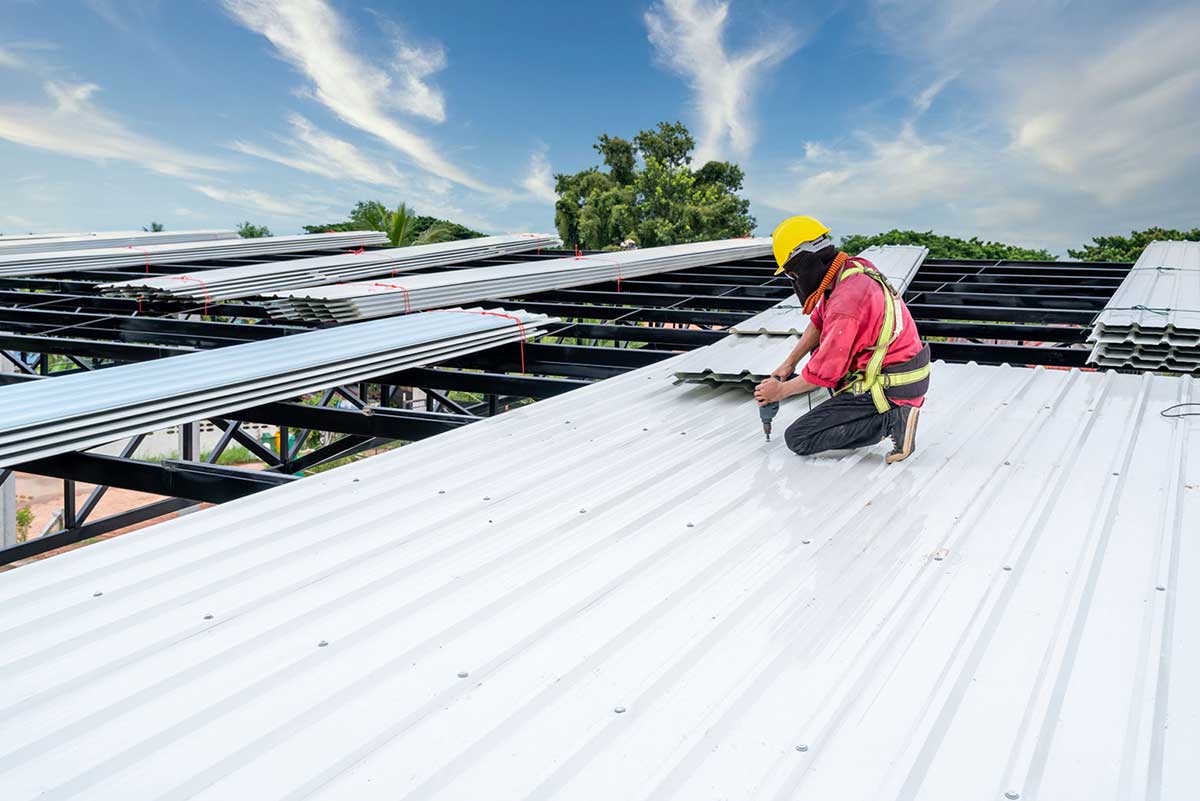
TPO seams are the first failure point we look at on Research Triangle Park lab buildings after a wet summer - the foot traffic from HVAC service crews accelerates seam wear faster than weather alone. RTP's Class A office and life-science campuses along T.W. Alexander Drive and Miami Boulevard run a lot of rooftop mechanical equipment, and the curbs, pipe boots, and walkway pads around that equipment are where water finds its way in. We've pulled back TPO at buildings on Page Road and found seam separations that started from a single HVAC changeout where someone didn't lay protection boards.
Durham logs about 46 inches of rain a year, with humid summers that can stack multiple heavy events back-to-back from May through September. TPO's white or light-colored surface reflects solar radiation instead of absorbing it, which genuinely matters on a 10,000-square-foot flat roof baking in a Triangle summer. A building on the I-40 corridor running black EPDM versus 60-mil TPO can see a measurable difference in cooling load for the occupied floors below - and property owners who lease to energy-conscious tenants hear about it.
We install 60-mil and 80-mil TPO depending on the application. The 80-mil material is worth the cost difference on mechanically attached systems on large warehouse or distribution roofs - the kind of big-footprint buildings you see along Ellis Road and in the Treyburn Corporate Park area - where wind uplift and membrane fatigue from thermal expansion across a long uninterrupted span are real design considerations. On smaller, fully adhered projects on retail or restaurant buildings at Southpoint or the Miami Boulevard corridor, 60-mil with proper detail work does the job.
Heat-welded seams are what separate a well-installed TPO system from a liability. We use hot-air welding equipment that maintains consistent temperature and speed - hand welding with cold seam tape is a shortcut that fails inside a few Triangle seasons. When we inspect competitor installs on re-roof calls, edge details and T-joint terminations are where we most often find problems. A bad T-joint on a parapet corner will let water track down the wall assembly long before it shows up as a visible interior leak.
Tear-off versus recover is a real decision on TPO jobs. If the existing insulation layer has absorbed moisture - common on older buildings where a previous roof held water - we tear off rather than cover it. Trapping wet insulation under new TPO locks in the moisture problem, and it will telegraph through the new membrane in a few years. We use core cuts and sometimes moisture scanning to map wet areas before we quote. On buildings in the American Tobacco area and the historic Warehouse District, the roof deck conditions under an old membrane are rarely uniform.
Penetrations deserve their own attention on Durham commercial roofs. Air-handling units, exhaust vents, and data conduit runs are denser on lab and medical office buildings - Duke Health-adjacent outpatient buildings off South Square, for example, can have 30 or 40 individual penetrations on a single roof field. Each one is a flashing detail. We fabricate TPO pipe collars and use TPO-faced curb flashing cut and welded to the field membrane - not caulk, not uncured flashing tape over an old sheet metal collar.
Warranties on TPO systems run from 15 to 30 years depending on the manufacturer and installation spec. Manufacturer inspections are required for the longer terms, and we work with GAF, Carlisle, and Johns Manville systems. If a building owner wants a warranted system on a RTP campus building or a Durham office park property, we can structure the installation to meet manufacturer inspection requirements from day one rather than retrofitting the paperwork after the fact.
New construction on infill sites in Durham - the mixed-use buildings going up around Durham Central Park or the industrial conversions on the fringes of Golden Belt - often spec TPO from the start because the architect wants the cool-roof designation for LEED credits or energy code compliance. We coordinate with the GC and the mechanical engineer early because the rooftop layout, equipment weight, and walkway requirements all affect how the TPO system is designed before a single roll gets unloaded.
Commercial Roofing of Durham
Questions Owners Ask
How long does a TPO roof last in the Triangle climate?
A properly installed 60-mil TPO system with quality seam welds typically runs 20-25 years in Durham's climate. The humid summers and frequent rain cycles are less damaging to TPO than UV exposure, which the white surface handles well. Foot traffic around rooftop equipment is usually the biggest factor shortening lifespan - protection boards at HVAC units and access routes matter more than most owners realize.
What's the difference between 60-mil and 80-mil TPO, and which do I need?
The numbers refer to membrane thickness. 80-mil material offers more puncture resistance and handles foot traffic better. It's the right call on large mechanically attached roofs - warehouse and distribution buildings where the membrane spans long distances and sees thermal movement - and on buildings where rooftop access is frequent. 60-mil is appropriate for most commercial applications with good detail work and protection pads at service areas.
Can TPO be installed over an existing roof?
Yes, under the right conditions. The existing substrate needs to be structurally sound and - critically - free of moisture infiltration. We take core cuts and map wet areas before approving a recover. Trapping wet insulation under new TPO accelerates deterioration and voids manufacturer warranties. If the substrate is dry and stable, a TPO recover over existing mod-bit or EPDM is a cost-effective option.
How do heat-welded seams compare to taped seams?
Heat-welded seams are mechanically and chemically bonded - the two membrane surfaces are actually fused together. Taped or cold-adhesive seams rely on an adhesive bond that degrades with UV exposure and thermal cycling. In Durham's climate, taped seams on TPO typically show failure within 5-8 years. All of our field seams and detail work are hot-air welded; we don't use cold seam tape as a primary installation method.
Does white TPO really reduce cooling costs in the Triangle summer?
Yes, meaningfully so on buildings with significant roof-to-floor-area ratios - retail, single-story office, and warehouse buildings where the roof is essentially the ceiling of the occupied space. TPO's Solar Reflectance Index qualifies it as a cool roof under Energy Star standards. The savings vary by building type, insulation R-value, and HVAC configuration, but on a flat-roofed building along I-40 or in RTP, switching from a dark membrane to 60-mil white TPO can reduce peak cooling load on upper floors.