Roof Recover and Overlay in Durham, NC
We handle roof recover and overlay by starting with the roof evidence owners can act on: photos, access limits, drainage notes, wet-area clues, and the operating constraints around Treyburn and Ellis Road industrial roof areas.
Fast answers still need roof evidence.
We plan the work around active tenants, roof access, weather exposure, and the actual system already on the building. Around humid Piedmont summers and quick freeze-thaw swings and NC-147 and I-40 service-window planning, the right scope often depends on timing as much as material choice.
Start ReviewWhat gets checked.
We separate the leak, access, schedule, and material questions before a recommendation is priced. The recommendation stays practical: what should be controlled now, what needs pricing, and what deserves a capital plan before the next weather window.
We look at membrane seams, roof drains, edge metal, penetrations, rooftop units, previous repairs, and safe access before pricing work.
What owners receive.
A written scope with photos, limits, schedule notes, and a practical recommendation for repair, recovery, coating, or replacement.
Contact UsRelated Roof Paths
Compare the next decision.
Commercial Roofing
Commercial Roofing starts with roof evidence around Duke Health and Duke University occupied-building constraints. We separate the leak, access, schedule, and material questions before a recommendation is priced.
Commercial Roof Replacement
Commercial Roof Replacement starts with roof evidence around American Tobacco Campus roof access and tenant-hour limits. We separate the leak, access, schedule, and material questions before a recommendation is priced.
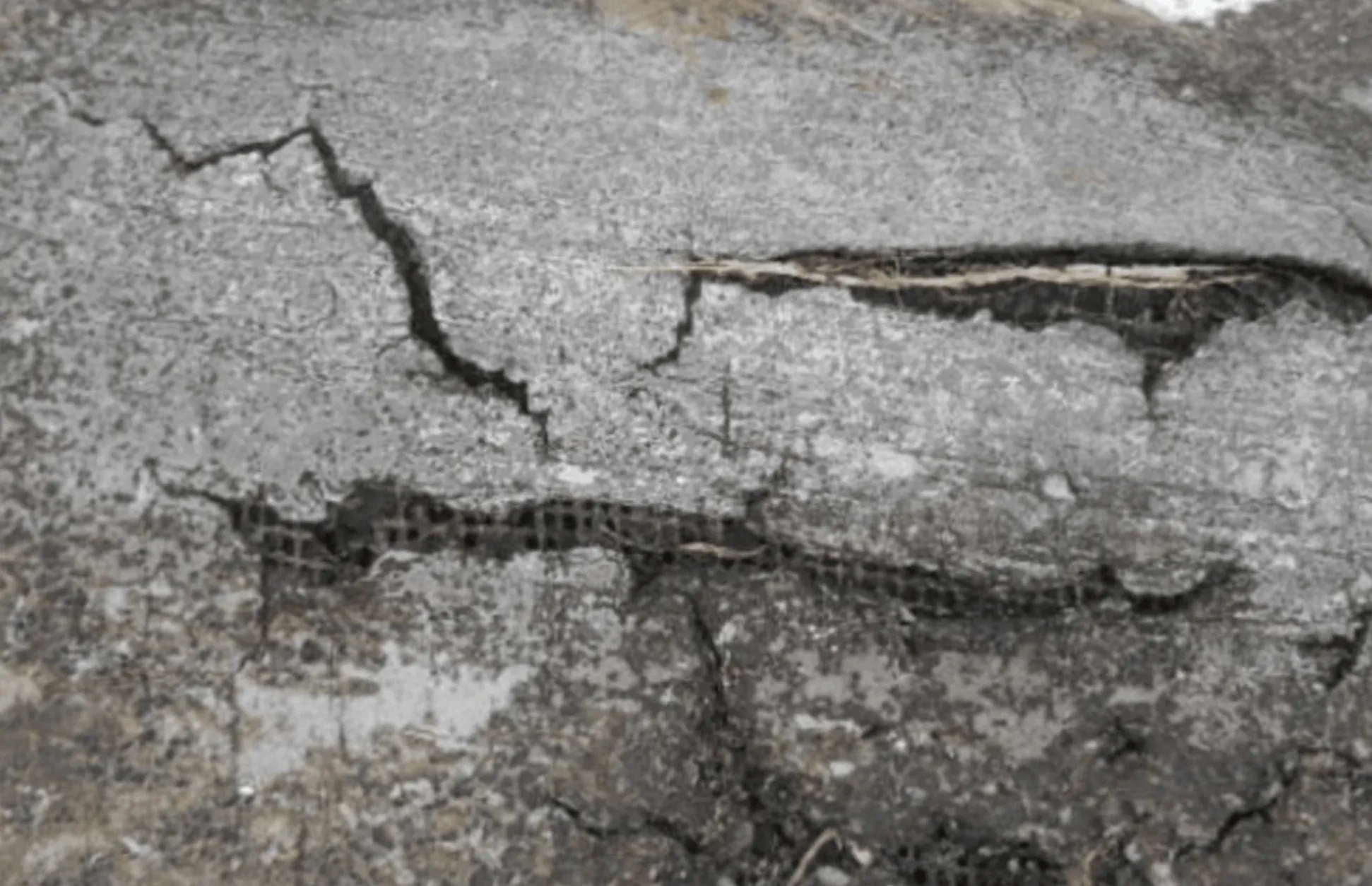
Commercial Roof Leak Repair
Commercial Roof Leak Repair starts with roof evidence around NC-147 and I-40 service-window planning. We document the roof condition in plain language so ownership can choose repair, recovery, coating, or replacement with fewer surprises.
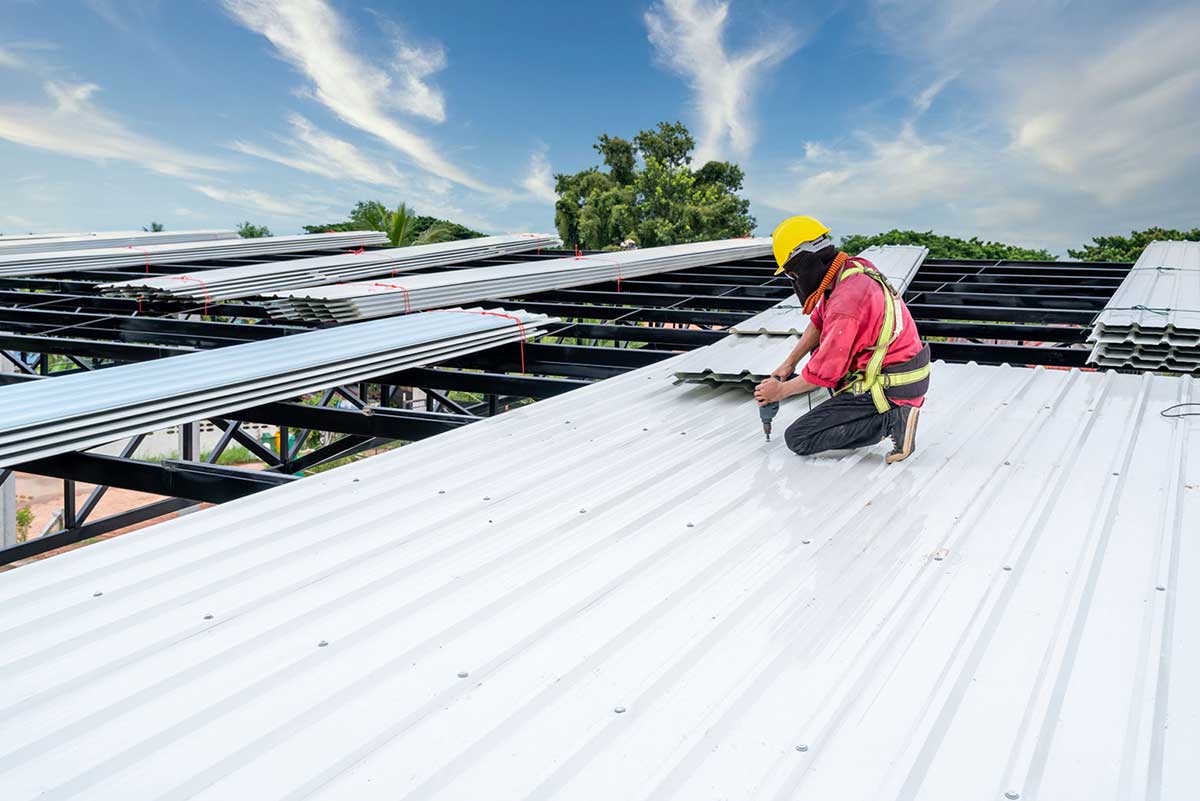
Commercial Re-Roofing
Commercial Re-Roofing starts with roof evidence around Research Triangle Park lab and office schedules. We separate the leak, access, schedule, and material questions before a recommendation is priced.
Services
Roof Recover and Overlay for commercial buildings across Durham, Research Triangle Park, Chapel Hill, Raleigh, and the greater Triangle commercial corridor.
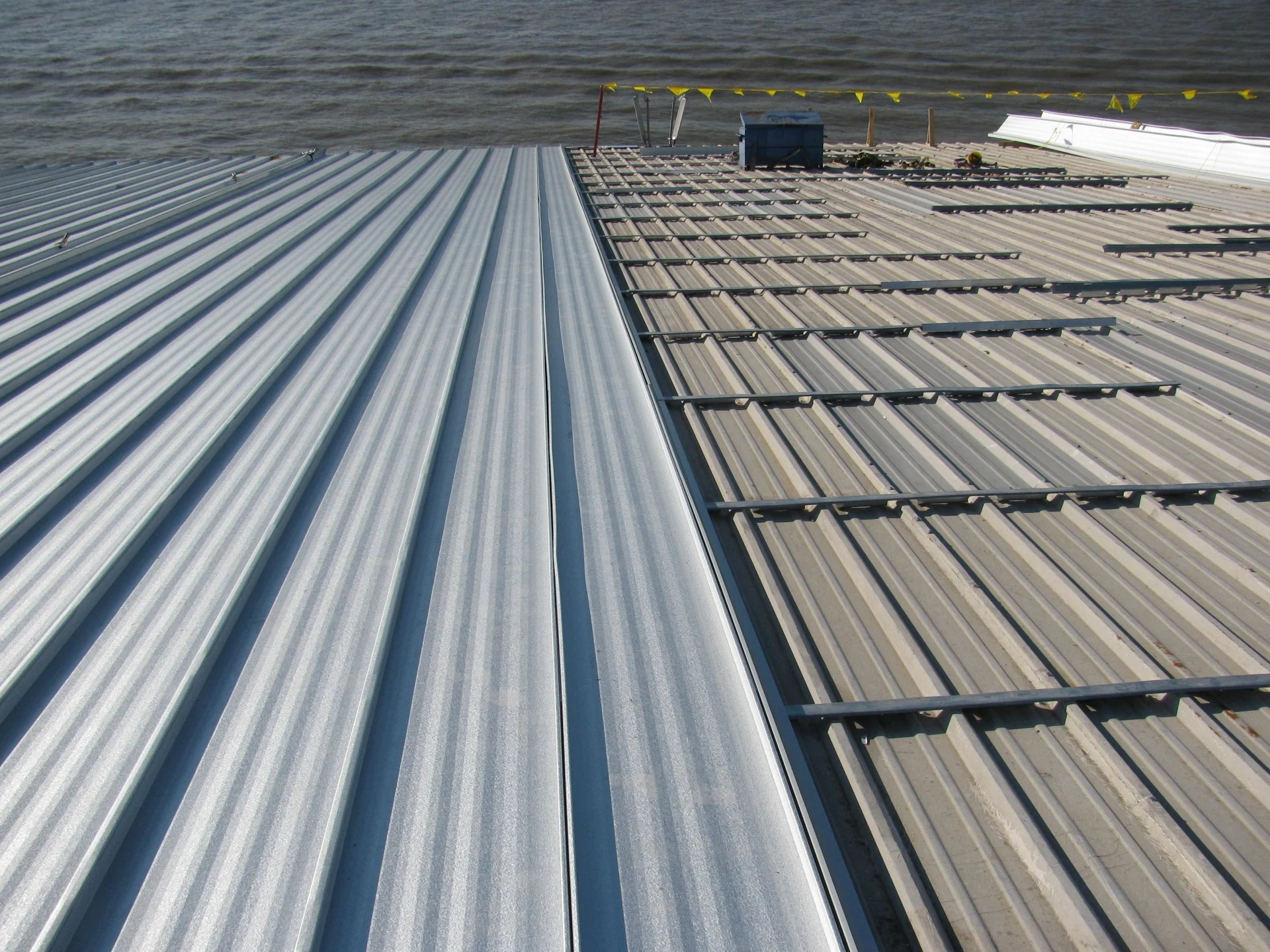
A roof recover - installing a new membrane system directly over the existing one without tear-off - is the right answer more often than the roofing industry sometimes admits. When the conditions are right, a recover saves the building owner significant cost on debris disposal and labor, reduces the project timeline, and eliminates the deck exposure risk that turns tear-off projects into open-ended budgets. The Triangle's large inventory of RTP office buildings from the 1990s and early 2000s, many of which received their original TPO or EPDM system in reasonable condition and have been managed by professional property management firms, is a category where recover is frequently the technically correct and economically responsible recommendation.
The prerequisite for a recover is a dry substrate - specifically, dry insulation below the existing membrane. This isn't something you assume; it's something you verify. We perform infrared thermography scans and spot-confirm with nuclear moisture meter readings before recommending any recover scope. Infrared scans are most accurate on clear days in late afternoon when the sun has differentially heated wet and dry areas of the roof and the thermal contrast is greatest. Durham's climate, with humid summers and the frequent morning fog that persists into mid-morning along the I-40 corridor, means scan timing matters - we don't scan through cloud cover or immediately after rain. When the scan results show dry insulation across 90-plus percent of the roof, a recover is on the table. When significant wet areas appear, those sections require tear-off and patch while the dry sections may still be recoverable.
Building code layer limits are the hard constraint that removes recover from consideration on buildings that have already been through one cycle. The IBC, which governs construction in Durham and throughout the Triangle, generally limits re-cover to one additional layer over an existing roofing system. A building that had its original 1985 built-up roof recovered with EPDM in 2003 is at the two-system limit - the next project is a tear-off regardless of the moisture scan results. We core the existing system on every recover pre-assessment to count layers and document what's there, because building records are often incomplete, especially for older commercial properties that have changed ownership. Discovering a hidden layer mid-project after the permit is pulled is a problem nobody wants.
Dead load addition is the structural consideration that owners sometimes overlook when a recover seems straightforward. Adding a new insulation layer and membrane over an existing system adds weight to the roof structure. A recover using 2-inch polyiso plus a 60-mil TPO membrane adds roughly 3-4 pounds per square foot of dead load. Most commercial roof structures have adequate capacity - the original design carried at least 20 psf live load and the dead load addition is modest - but on older buildings, buildings that have had structural modifications, or buildings where we observe any visible deck deflection, we recommend a structural review before proceeding. The structural engineer's letter is a modest cost compared to a structural liability if a marginal deck is loaded beyond capacity.
Speed and business continuity are the practical arguments for recover that resonate most with RTP corporate campus operators and downtown Durham property managers. A recover on a 30,000 square foot office building runs faster than a tear-off of the same building - no debris removal days, no deck exposure and repair sequence, less weather-related delay risk. For a building with a fully occupied tenant base, a recover means shorter periods of activity above occupied spaces and a lower likelihood of any weather-related interior exposure during the project. Facility managers at multi-building RTP campuses with annual maintenance budgets and predictable fiscal year timelines appreciate the recover option specifically because it fits more reliably into a defined budget and schedule window.
The right membrane system for a recover isn't automatically the same as what's already there. Installing TPO over TPO is common and works well. Installing TPO over aged EPDM that has some surface tackiness or contamination requires attention to the adhesion preparation. Installing over modified bitumen requires confirming compatibility and may require a separation layer. We evaluate the existing membrane condition and specify the new system accordingly - substrate compatibility is a manufacturer warranty condition, and mismatching systems is one of the ways a warranted recover installation can be voided before the first storm season is over.
Energy performance improvement is a legitimate benefit of a well-designed recover that is sometimes overlooked in the cost comparison with tear-off. Adding a new insulation layer during the recover brings the assembly closer to current IECC energy code requirements for Durham County - requirements that have tightened significantly since most of the RTP office building inventory was originally constructed. A building owner doing a recover who adds 2-3 inches of polyiso to an existing 2-inch insulation layer is simultaneously addressing the roof system and improving the building's thermal envelope, which has real value in the Triangle's cooling-dominated climate where a 52-plus-day above-90°F summer season drives energy costs from June through September.
Penetration and drain work during a recover follows the same logic as in a full replacement - the new membrane system terminates to existing penetrations, drains, and edge metal, and those components need to be in sound condition for the new system to perform. Pipe boots get replaced. Drain clamps are replaced with new hardware. Edge metal that has failed sealant joints or loose fastening gets rebuilt. The one thing a recover does not include is access to the deck for drain sump modification or structural drain addition - if the drainage system is undersized, a recover doesn't fix it, and a building with demonstrated ponding problems should be on a tear-off plan that allows drain system upgrade rather than a recover that covers the problem.
Recover projects that are properly scoped, moisture-verified, and installed over dry insulation by a manufacturer-certified contractor carry the same warranty options as new installations on a fresh deck. The manufacturer's representative inspects the completed recover the same way they inspect a tear-off replacement - seam welds, termination details, penetration flashings, and edge conditions. Owners who have been told that recovers "don't qualify for real warranties" are getting outdated or inaccurate information. The qualification is dry substrate and compliant installation - not whether tear-off happened.
Commercial Roofing of Durham
Questions Owners Ask
How much does a recover save compared to a full tear-off and replacement?
On a typical Triangle commercial building, a recover runs 20-35% less than a tear-off and replacement of the same square footage. The savings come from eliminated debris disposal costs, reduced labor for demo, and shorter project duration. The gap narrows on buildings with complex rooflines or significant penetration counts because the penetration rebuild work is essentially the same in both scopes. The gap widens on large, simple low-slope roofs - a flat 50,000 square foot distribution building with few penetrations sees the biggest percentage savings from recover. We price both options when conditions support a recover so you can make the comparison directly.
What if the moisture scan shows some wet areas but not the whole roof?
Partial moisture is actually the most common scan result on older Triangle commercial buildings - a few wet zones around drains or at known historical leak locations, with the majority of the roof dry. The typical approach is a hybrid scope: tear off and replace insulation in the wet areas, then recover the entire roof with the new membrane spanning both the repaired sections and the dry sections as a continuous system. This gives you a complete, warranted system while limiting the tear-off scope to the sections that actually require it. We map the wet areas from the scan, document them in the proposal, and price the hybrid scope with unit-price allowances for the tear-off sections in case the wet area boundaries are larger when we open the roof.
Does adding a new layer affect my roof drainage?
Yes, and it needs to be accounted for in the design. Each new insulation layer raises the roof surface elevation slightly, which changes the relationship between the membrane surface and the drain rim. We specify tapered insulation at drain locations to maintain positive drainage slope to the drain bowl after the recover is complete. This is a detail that gets skipped on quick, low-bid recover jobs, and it's why you sometimes see ponding at drains on recently recovered roofs - the drain rim is now slightly below the surrounding membrane field. Proper drain extension or tapered sump installation is part of every recover scope we write.
Can a recover be done in winter, or does Triangle weather limit the season?
Recover work in the Triangle can proceed through much of the winter with appropriate temperature management. Mechanically attached TPO systems - where the membrane is fastened to the substrate with screws and plates rather than adhered - can be installed in temperatures well below the adhesive minimums that restrict fully adhered systems. Adhered systems require temperatures above 40°F for proper adhesion development, which limits fully adhered recover work on Triangle winters when overnight temperatures drop below freezing on 64-plus days per year. We specify the installation method in part based on the project timing - if a December or January installation is the right window for the building's schedule, we spec accordingly.
What can a recover not fix that a tear-off would address?
A recover cannot fix: wet or compressed insulation (you're covering it, not removing it); inadequate drain capacity (drains can't be modified without deck access); structural deck issues; or a drainage slope problem baked into the original deck design. If a building has chronic ponding due to an inadequate slope built into the original deck, a recover adds a layer but doesn't change the ponding geometry. If the insulation has been wet long enough to have caused corrosion on the steel deck below, a recover puts a new roof over a corroding structure. These are the cases where we recommend tear-off despite the higher cost - the recover would be the wrong answer regardless of the price difference.