
PVC Roofing in Durham, NC
We handle PVC roofing by starting with the roof evidence owners can act on: photos, access limits, drainage notes, wet-area clues, and the operating constraints around NC-147 and I-40 service-window planning.
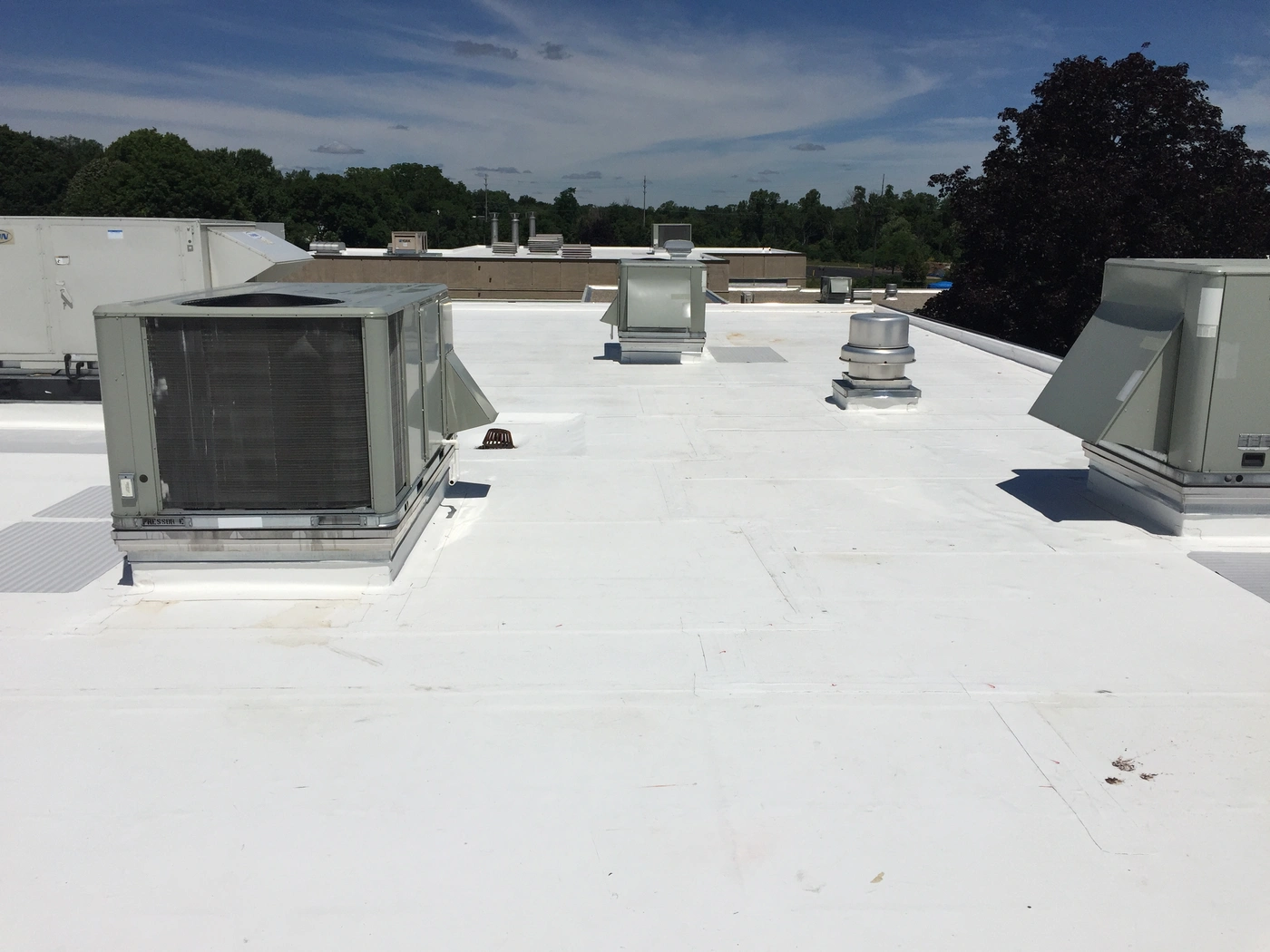
Fast answers still need roof evidence.
We document the roof condition in plain language so ownership can choose repair, recovery, coating, or replacement with fewer surprises. Around Downtown Durham storm-drain and rooftop-equipment density and Golden Belt and Brightleaf adaptive-reuse roof details, the right scope often depends on timing as much as material choice.
Start ReviewWhat gets checked.
We plan the work around active tenants, roof access, weather exposure, and the actual system already on the building. The recommendation stays practical: what should be controlled now, what needs pricing, and what deserves a capital plan before the next weather window.
We look at membrane seams, roof drains, edge metal, penetrations, rooftop units, previous repairs, and safe access before pricing work.
What owners receive.
A written scope with photos, limits, schedule notes, and a practical recommendation for repair, recovery, coating, or replacement.
Contact UsRelated Roof Paths
Compare the next decision.
Commercial Roofing
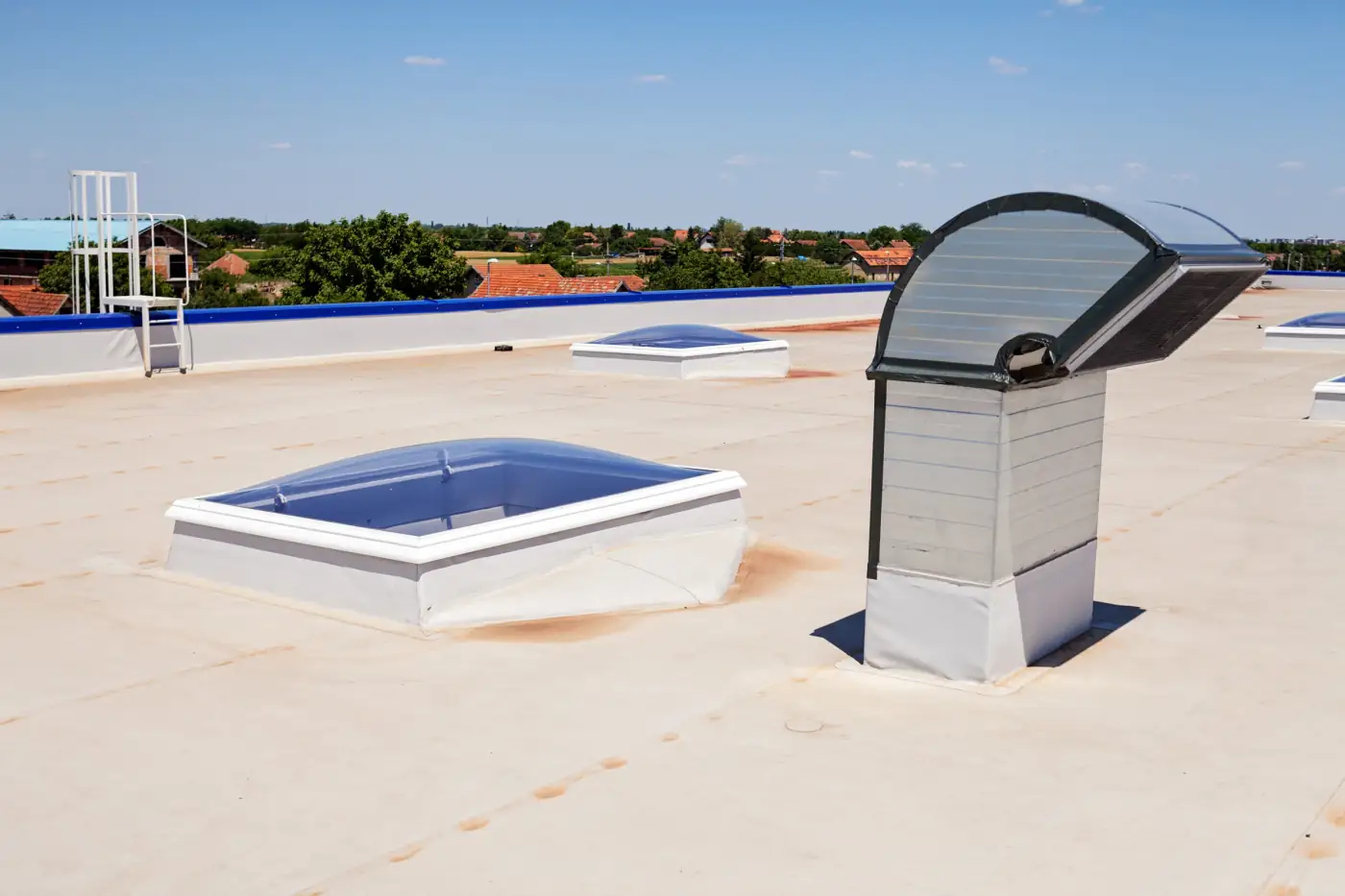
Commercial Roofing starts with roof evidence around Duke Health and Duke University occupied-building constraints. We separate the leak, access, schedule, and material questions before a recommendation is priced.
Commercial Roof Replacement
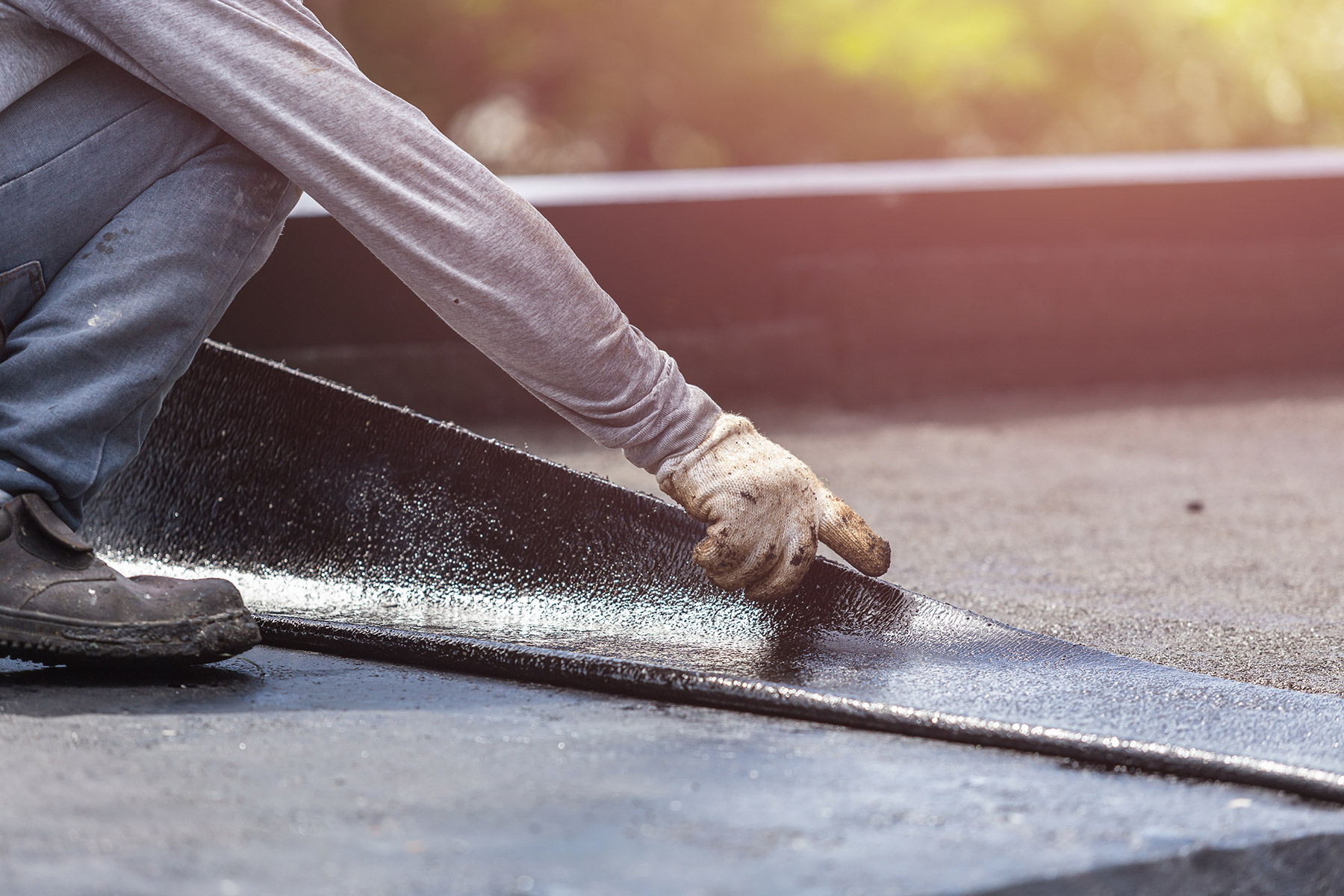
Commercial Roof Replacement starts with roof evidence around American Tobacco Campus roof access and tenant-hour limits. We separate the leak, access, schedule, and material questions before a recommendation is priced.
Commercial Roof Leak Repair
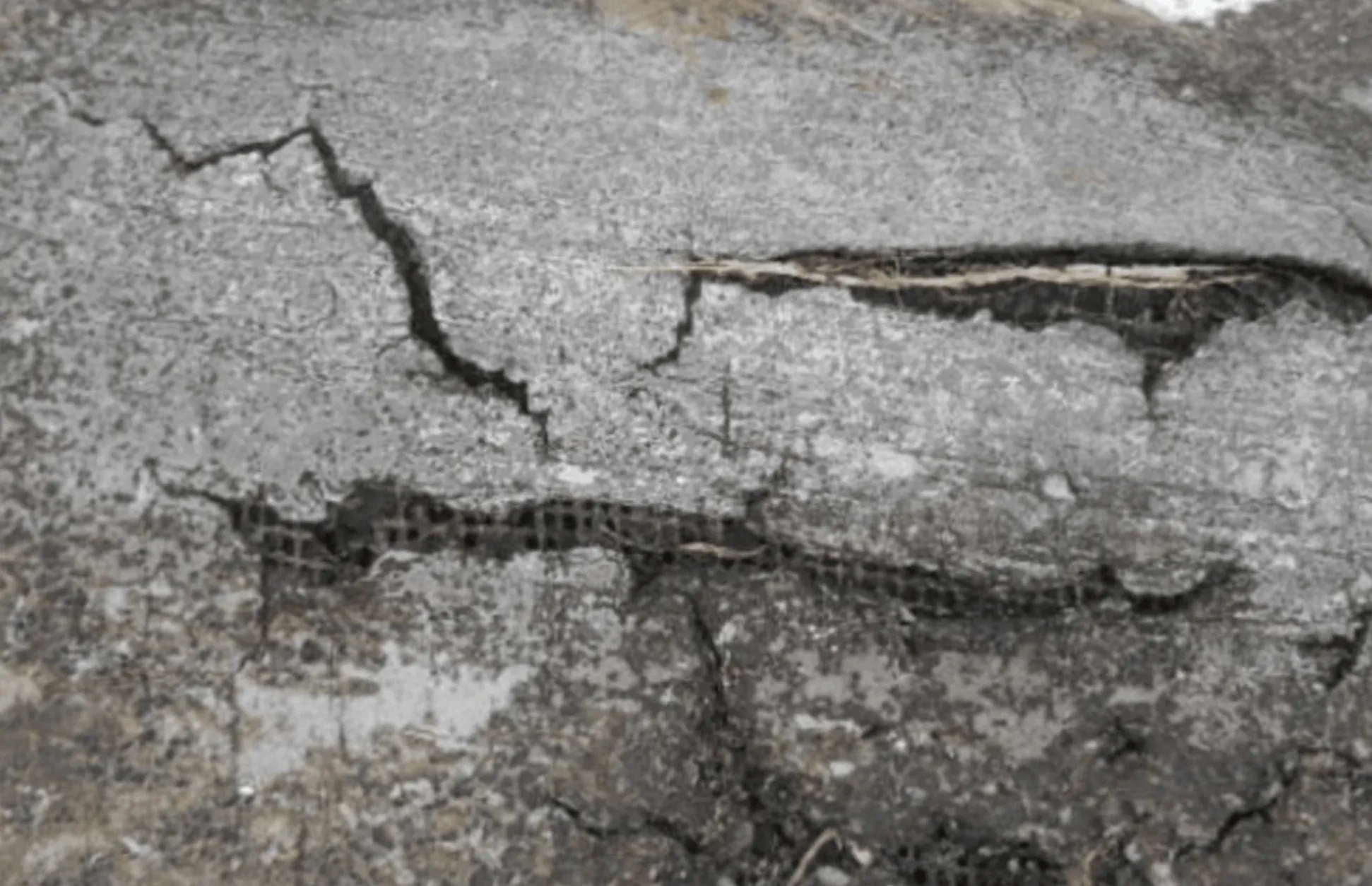
Commercial Roof Leak Repair starts with roof evidence around NC-147 and I-40 service-window planning. We document the roof condition in plain language so ownership can choose repair, recovery, coating, or replacement with fewer surprises.
Commercial Re-Roofing
Commercial Re-Roofing starts with roof evidence around Research Triangle Park lab and office schedules. We separate the leak, access, schedule, and material questions before a recommendation is priced.
Services
PVC Roofing for commercial buildings across Durham, Research Triangle Park, Chapel Hill, Raleigh, and the greater Triangle commercial corridor.
PVC roofing earns its place on restaurant and food service buildings because of one property the other single-ply membranes can't match: chemical resistance to grease and animal fat. Cooking exhaust from a commercial kitchen roof exhaust fan will degrade EPDM and accelerate TPO aging around the penetration - we've seen it destroy membrane and flashing material within a few feet of a grease exhaust stack on buildings where the wrong membrane was spec'd. PVC resists those fats and oils at the molecular level, which is why we recommend it first for any building with significant food service operations.
The American Tobacco Campus and its surrounding restaurant and entertainment tenants are a good example of this market. Brick buildings converted for mixed occupancy - ground-floor restaurants, upper-floor offices or event space - have roofs dealing with grease exhaust, heavy foot traffic from rooftop events, and historic construction that limits what you can do structurally. PVC's strong heat-welded seams and chemical resistance handle the restaurant exhaust problem while the membrane's durability manages the access and foot traffic demands that come with event venue buildings.
Southpoint and the retail corridors on the south side of Durham present a different set of conditions: large flat roofs on single-story retail boxes, often with multiple restaurant pad tenants in an inline strip configuration. When a quick-service or fast-casual tenant has a grease exhaust point, it's surrounded on either side by retail units that may have TPO or EPDM. A PVC system over the entire building, or a PVC field with properly specified grease-exhaust detail work, prevents the situation where one tenant's exhaust destroys the roof membrane serving a neighboring unit's space.
PVC seam welds are among the strongest in the single-ply category. The hot-air welding process chemically bonds the membrane layers at the overlap, and a properly welded PVC seam will typically outlast the surrounding field membrane in pull tests. We test seam welds with a probe tool after welding - a seam that peels away from the probe has a cold weld and gets re-done before we move on. On a commercial roof in Durham that's going to see 46 inches of annual rainfall, seam integrity isn't something we estimate; it's something we verify.
The Miami Boulevard corridor - the commercial stretch running from the I-40 interchange northeast toward RTP - has a mix of hotel, retail, and casual dining buildings that represent the kind of mixed-use commercial fabric where PVC comes up regularly. Hotel kitchen exhaust vents, restaurant grease traps, and the heavy HVAC loads from commercial kitchens all create rooftop conditions that argue for a membrane with chemical durability. We've re-roofed buildings on this corridor where the previous TPO installation had visible grease staining and membrane softening within 10 feet of kitchen exhaust points.
PVC is a cool-roof material - the white and light gray surface colors reflect solar energy and qualify for Energy Star cool-roof ratings. In a Triangle summer with 52-plus days above 90°F, that matters for retail and restaurant buildings that run high internal heat loads from commercial equipment. A PVC roof on a flat-roofed restaurant building isn't just protecting against grease exhaust; it's also working to reduce the cooling burden on a building that's already fighting against its own kitchen heat.
Detailing around rooftop equipment on PVC systems requires attention to compatible materials. PVC membrane isn't compatible with asphalt-based products - contact with bituminous materials causes plasticizer migration that degrades the PVC. On re-roof projects where we're going over an existing modified bitumen or BUR system, we install a separation layer before the PVC goes down. This comes up on older retail and restaurant buildings in downtown Durham and the Brightleaf District where the existing system may be bitumen-based.
Cold weather performance is one area where PVC has historically lagged behind EPDM - traditional PVC stiffens significantly below freezing, which creates brittleness risk during winter installation. Durham's winters are mild enough that this is rarely a project-stopping concern, but on a February install during a cold snap, we're monitoring membrane temperature and adjusting our workflow accordingly. The welding equipment parameters change in cold weather, and a seam welded at 35°F requires different settings than one welded at 65°F to achieve the same bond quality.
Commercial Roofing of Durham
Questions Owners Ask
Why is PVC recommended for restaurant roofs instead of TPO or EPDM?
Grease and animal fats from commercial kitchen exhaust will chemically attack EPDM and degrade TPO membranes over time, especially in the area immediately surrounding exhaust penetrations. PVC is formulated to resist those compounds at the membrane level, not just at a coating or flashing detail. On a building with active kitchen exhaust, the right membrane at the exhaust penetration is PVC - and on food service buildings, we often recommend PVC for the full roof field rather than trying to mix membrane types around exhaust points.
Can PVC be installed over an existing roof without tear-off?
Yes, with one important caveat: if the existing system is bitumen-based (modified bitumen or built-up roofing), a separation layer must be installed before the PVC membrane. PVC is chemically incompatible with asphalt - direct contact causes plasticizer migration and membrane degradation. A recover board or appropriate separation layer eliminates that problem. As always, we confirm the existing insulation is dry before approving any recover installation.
How long does PVC roofing last, and what does the warranty cover?
Quality PVC systems from manufacturers like Sika, Duro-Last, or GAF typically carry 15-25 year warranties depending on membrane thickness and installation spec. Actual service life often extends beyond the warranty term on well-maintained systems. Warranty coverage generally includes membrane defects and seam failures under normal conditions - damage from chemical exposure outside the membrane's rated resistance, physical puncture, or improper maintenance aren't typically covered. We can walk you through what your specific warranty covers before installation.
Is PVC more expensive than TPO, and is the premium justified?
PVC material typically costs more per square foot than TPO, and installation is comparable. On a standard commercial roof without chemical exposure concerns, the cost difference may not be justified - TPO performs well in those applications. On restaurant, food service, or any building with grease exhaust or chemical exposure at the roof level, the premium is justified by the dramatically longer service life at and around penetrations. A TPO roof that needs patch repairs and penetration re-flashing every 3-4 years around a grease exhaust stack costs more over time than a properly spec'd PVC system.
What happens to PVC roofing near grease exhaust vents that aren't treated correctly?
Untreated grease exhaust on a non-resistant membrane causes visible membrane softening, discoloration, and eventual delamination in the area around the exhaust point. We've seen 60-mil TPO membranes reduced to a sticky, pliable mess within 18 months of a grease exhaust stack on a restaurant roof. The problem isn't just aesthetic - a degraded membrane around a penetration is an active leak point. On those calls, the repair isn't just patching the penetration; it's replacing the degraded membrane section and re-detailing the exhaust penetration with compatible materials.