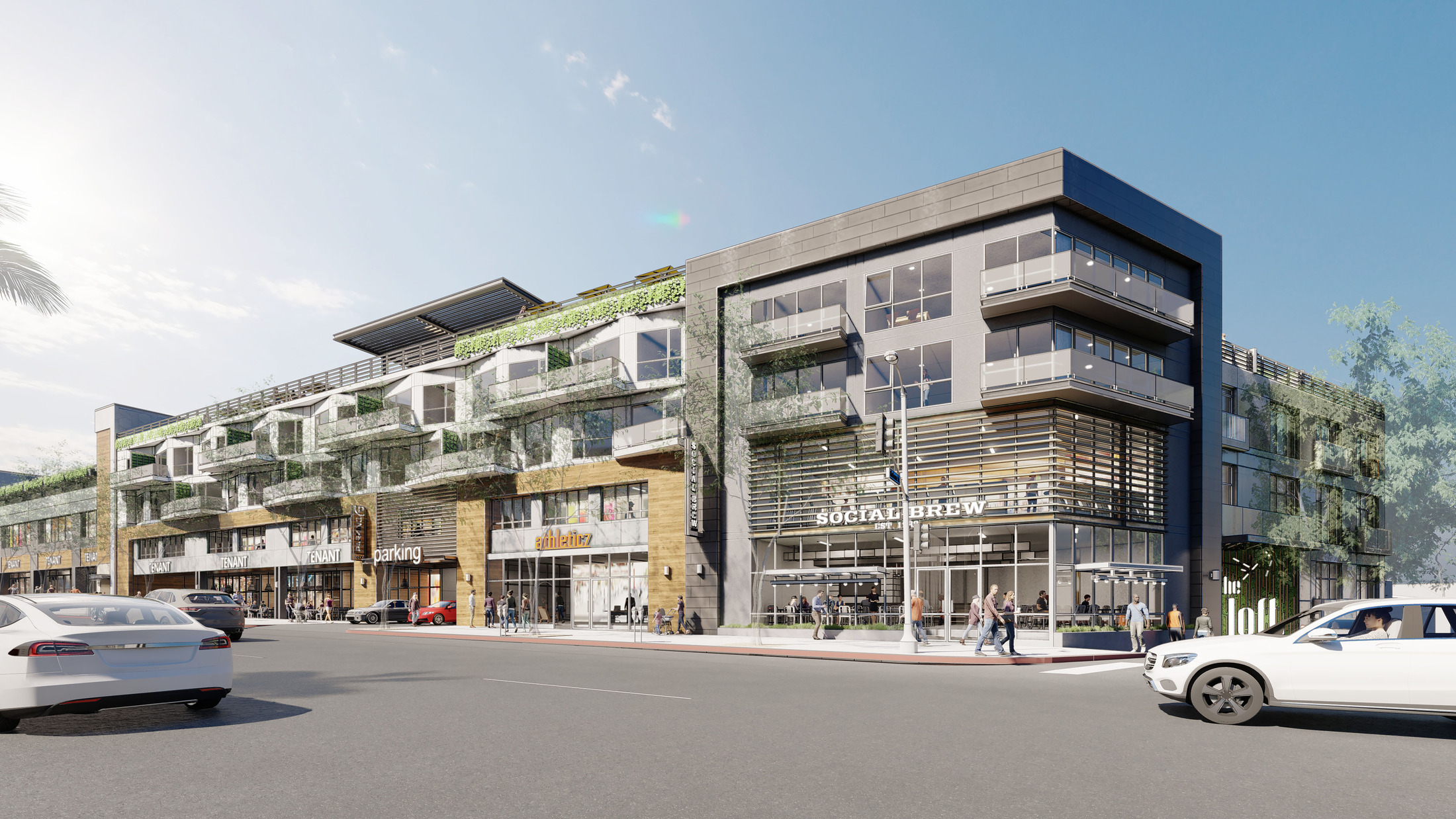
Mixed-Use Development Roofing in Durham, NC
We handle mixed-use development roofing by starting with the roof evidence owners can act on: photos, access limits, drainage notes, wet-area clues, and the operating constraints around Treyburn and Ellis Road industrial roof areas.
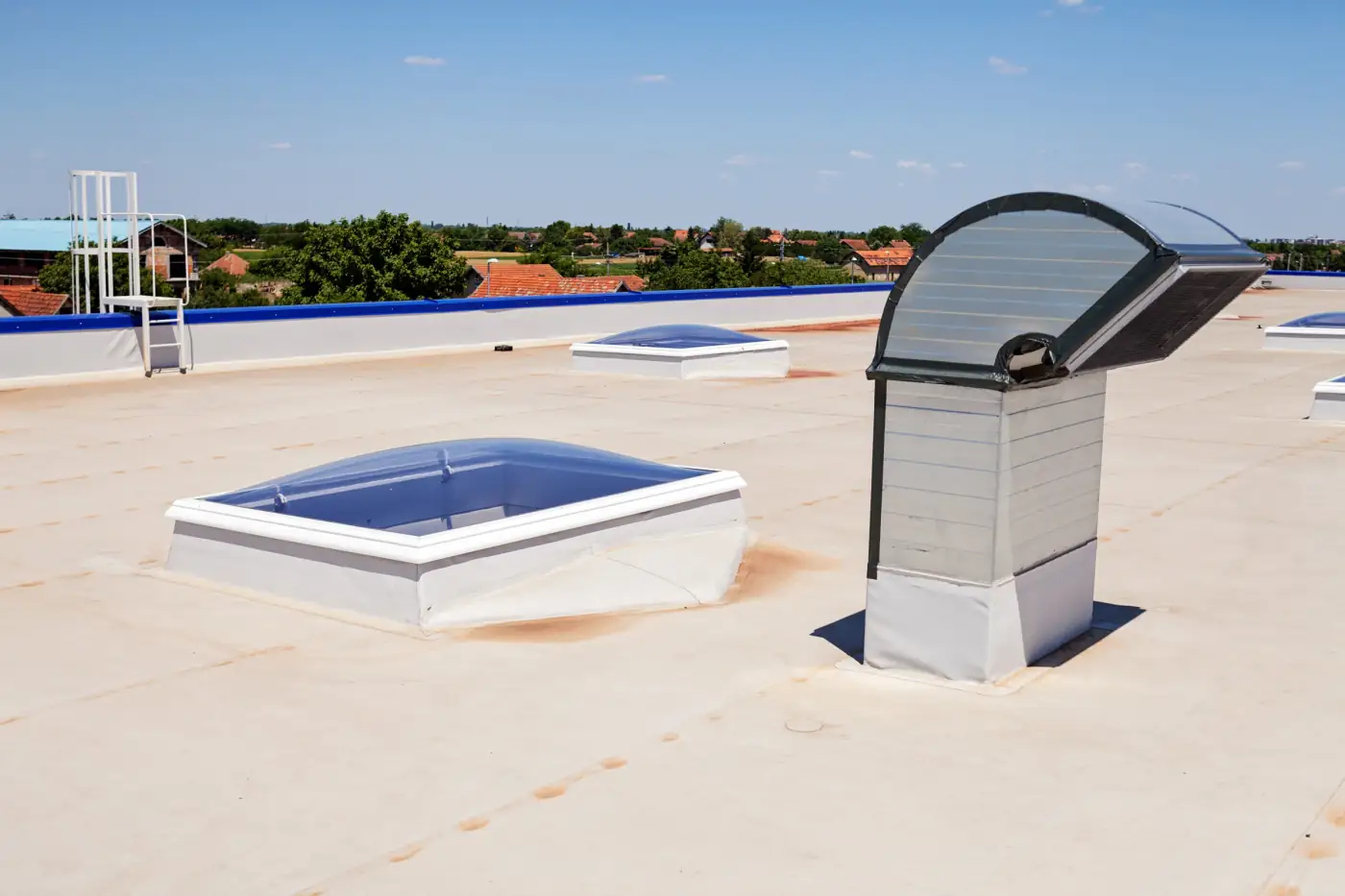
Fast answers still need roof evidence.
We document the roof condition in plain language so ownership can choose repair, recovery, coating, or replacement with fewer surprises. Around humid Piedmont summers and quick freeze-thaw swings and NC-147 and I-40 service-window planning, the right scope often depends on timing as much as material choice.
Start ReviewWhat gets checked.
We plan the work around active tenants, roof access, weather exposure, and the actual system already on the building. The recommendation stays practical: what should be controlled now, what needs pricing, and what deserves a capital plan before the next weather window.
We look at membrane seams, roof drains, edge metal, penetrations, rooftop units, previous repairs, and safe access before pricing work.
What owners receive.
A written scope with photos, limits, schedule notes, and a practical recommendation for repair, recovery, coating, or replacement.
Contact UsRelated Roof Paths
Compare the next decision.
Commercial Roofing
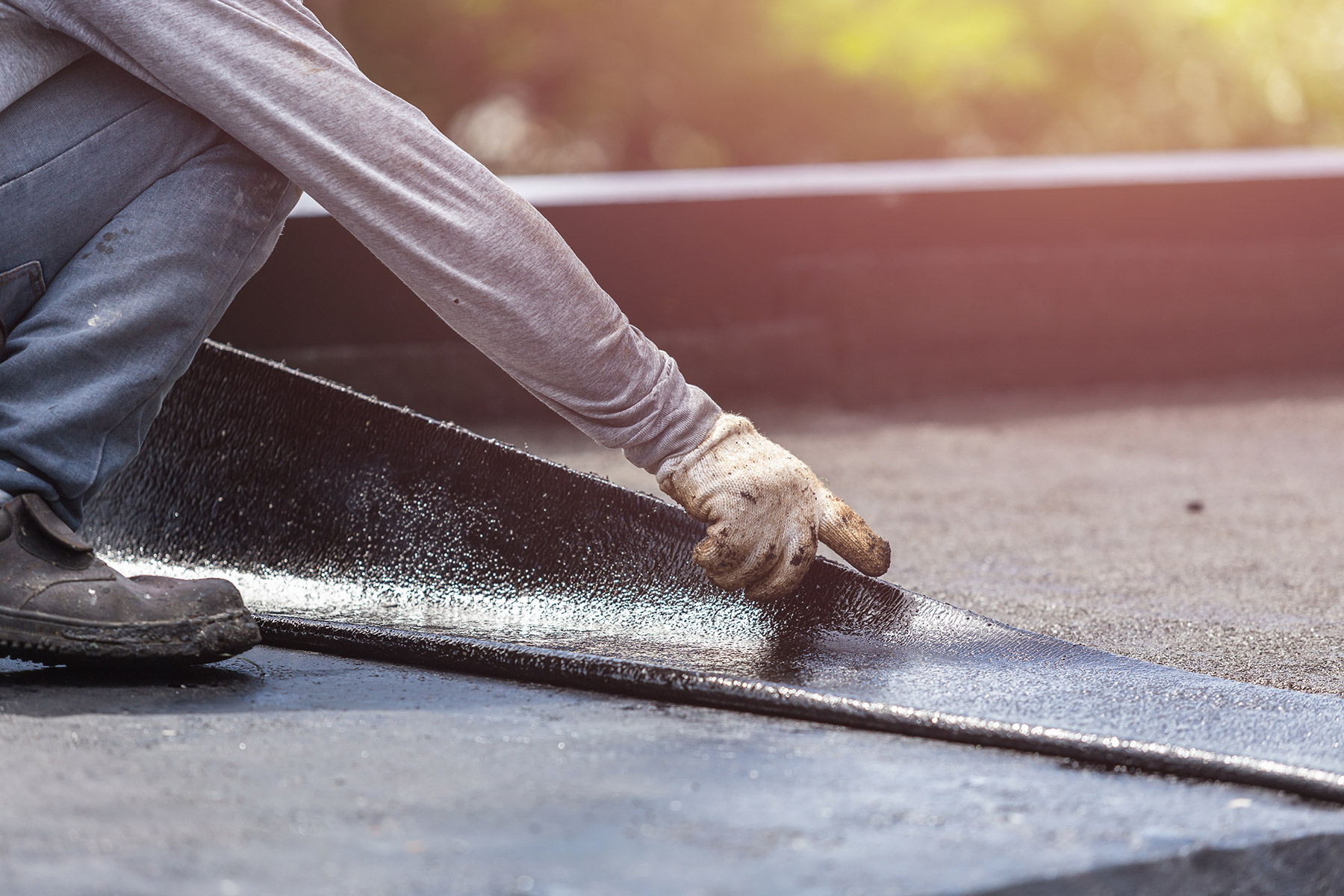
Commercial Roofing starts with roof evidence around Duke Health and Duke University occupied-building constraints. We separate the leak, access, schedule, and material questions before a recommendation is priced.
Commercial Roof Replacement
Commercial Roof Replacement starts with roof evidence around American Tobacco Campus roof access and tenant-hour limits. We separate the leak, access, schedule, and material questions before a recommendation is priced.
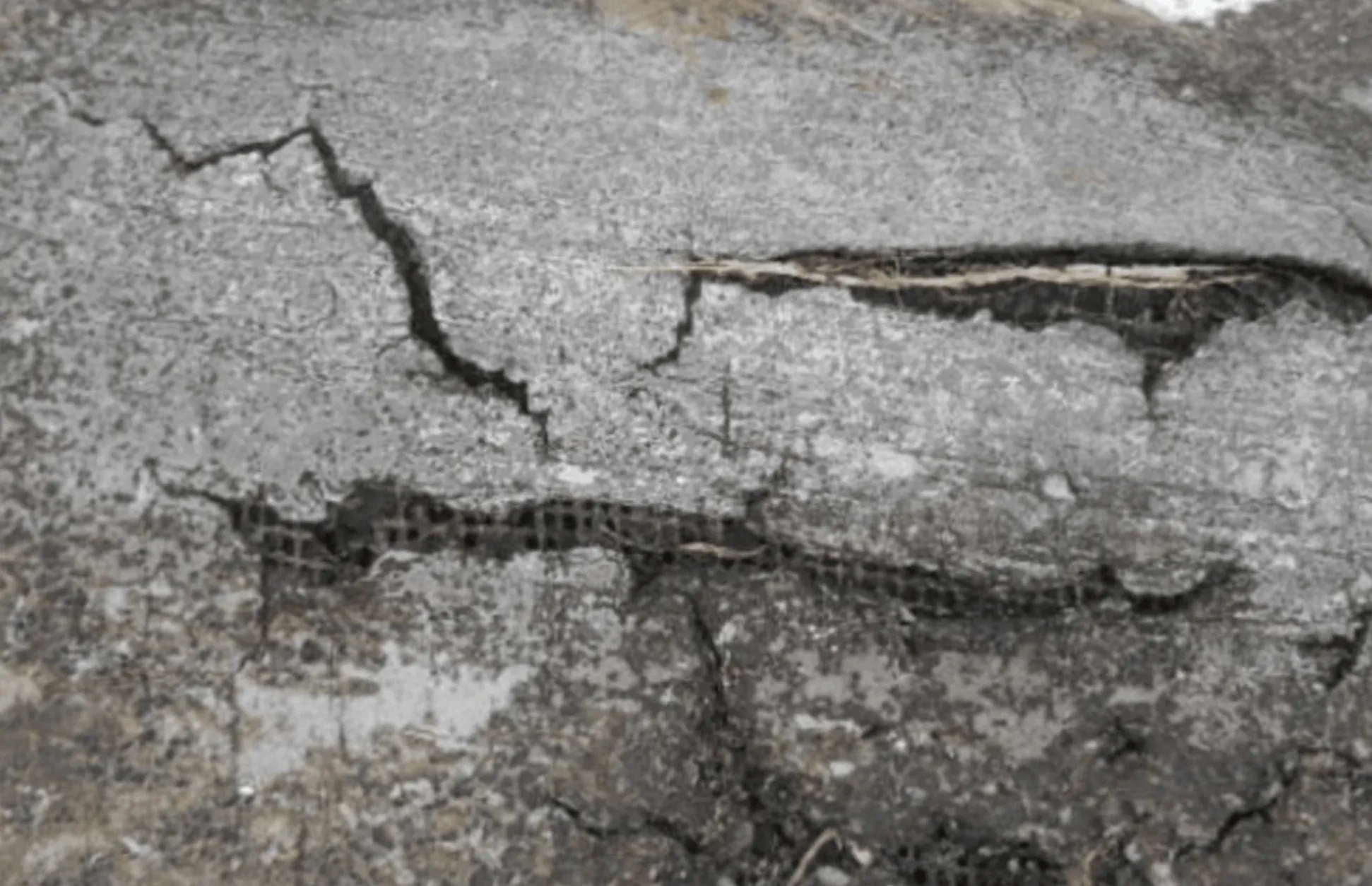
Commercial Roof Leak Repair
Commercial Roof Leak Repair starts with roof evidence around NC-147 and I-40 service-window planning. We document the roof condition in plain language so ownership can choose repair, recovery, coating, or replacement with fewer surprises.
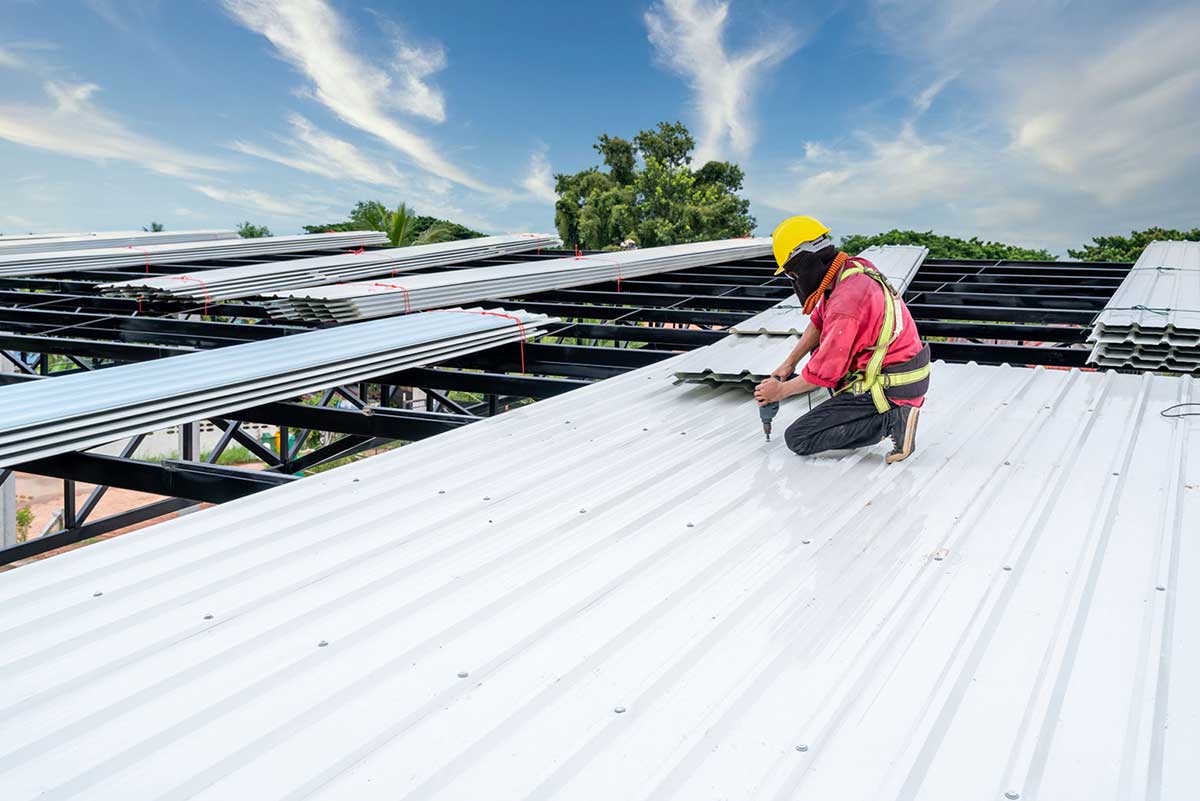
Commercial Re-Roofing
Commercial Re-Roofing starts with roof evidence around Research Triangle Park lab and office schedules. We separate the leak, access, schedule, and material questions before a recommendation is priced.
Services
Acrylic and Silicone Roof Restoration for commercial buildings across Durham, Research Triangle Park, Chapel Hill, Raleigh, and the greater Triangle commercial corridor.
Durham's transformation from a tobacco and textile manufacturing city into one of the Southeast's most dynamic knowledge economy hubs has produced a sustained wave of mixed-use development that continues to reshape neighborhoods from downtown to the American Tobacco Historic District, the Brightleaf Square corridor, and the emerging Southside and Fayetteville Street corridors. The combination of Duke University, Duke Health, and the Research Triangle Park employment base creates a residential demand that mixed-use developers have been moving to satisfy with projects that integrate retail, restaurant, and creative office space at street level beneath dense residential floors. Durham's roofing contractors serve a market that expects sophisticated building performance from projects developed by teams with national experience standards.
Durham sits in a transitional climate zone that combines the humid subtropical characteristics of the Carolina Piedmont with occasional winter ice storm events that can deposit significant ice loads on roofing assemblies not designed with that specific failure mode in mind. The 2022 and 2023 ice events that affected the Triangle demonstrated that Durham's mixed-use buildings are vulnerable to ice loading at parapet transitions, gutter-line configurations, and mechanical equipment pedestals when ice accumulates without the freeze-thaw cycling that would normally limit duration. Specifying parapet heights and overflow drainage provisions that account for ice accumulation is part of a thorough Durham mixed-use roof design, even though the city's annual snowfall is modest.
The waterproofing at use transitions in Durham's mixed-use buildings must handle both the standard waterproofing demands of a mid-rise construction type and the specific drainage challenges created by the city's intense summer rainfall. Durham receives approximately 46 inches of annual precipitation, with summer afternoon thunderstorm events that can deliver two or more inches in a single hour. The transition deck between commercial ground-floor space and residential floors above must drain this peak flow to interior drains sized for the local design storm intensity, and the drainage composite above the waterproofing membrane ensures that water reaches the drains even when the deck surface is occupied or partially blocked by paver furniture. Overflow drainage provisions sized for drain failure conditions are a code requirement that roofing contractors must verify in both new and renovation projects.
Rooftop amenity decks have become a differentiating feature in Durham's competitive rental market, particularly in the downtown core near the Durham Performing Arts Center and in the American Tobacco Campus adjacent development that has attracted significant creative economy employment. These decks offer outdoor space in a city that is genuinely pleasant for outdoor living for eight to nine months of the year, and the waterproofing beneath them must perform reliably for the 20-to-30-year lifecycle of the building's residential program without requiring invasive repairs that displace building residents and damage the owner's reputation. Hot-fluid-applied waterproofing beneath protection board and pavers, designed and installed by a contractor with demonstrated occupied deck experience, is the specification that delivers this performance standard.
Durham's development community has been notable for the diversity of project types it has produced, including the adaptive reuse of former tobacco and industrial buildings in the American Tobacco Historic District and the Biltmore Hills area that present historic preservation constraints alongside modern performance requirements. Reroofing these buildings requires coordinating with the North Carolina State Historic Preservation Office when the building carries historic designation, because roofing material and parapet height changes may trigger review of the proposed alterations against the Secretary of the Interior's Standards. Contractors who understand the preservation review process can help building owners navigate the approval pathway efficiently rather than discovering the requirement mid-project.
Coordinating a reroofing project on an occupied Durham mixed-use building requires working within a city where the development community, the arts community, and the civic leadership are deeply intertwined. A construction disruption that significantly impacts a restaurant or music venue in the American Tobacco complex is not just a tenant relations issue-it is a community relations issue in a city where business owners and civic leaders attend the same events and share the same expectations about how urban revitalization should treat its existing community fabric. Pre-construction engagement with building management and individual tenants, combined with a construction schedule that protects high-revenue periods for the commercial operators below, is the professional standard in Durham's urban market.
Fire-rated assemblies in Durham mixed-use buildings follow North Carolina's adoption of the IBC, and the City of Durham's Inspections Department processes commercial renovation permits with a review process that has become efficient as the volume of mixed-use renovation and new construction has provided the project experience base. North Carolina's building code requires licensed contractors for commercial roofing, and the State Licensing Board for General Contractors administers the relevant specialty license classifications. Mixed-use projects in Durham that involve change of occupancy or significant alteration of existing fire-rated assemblies should be reviewed against current code requirements before the permit application is submitted, with the design professional or code consultant confirming the applicable provisions for the specific building type and construction classification.
Green roofs are increasingly present in Durham's newer mixed-use construction as developers respond to the City's stormwater management requirements and pursue LEED certification for projects targeting institutional investment and university-affiliated tenants who value demonstrated environmental performance. Durham's stormwater ordinance includes post-construction management requirements that can be partially satisfied by qualifying green roof systems, and the City's stormwater engineering staff has become familiar with green roof retention calculations through the volume of projects that have incorporated these systems in recent years. Durham's climate is well-suited to extensive green roof systems, with adequate rainfall to maintain sedum and drought-tolerant species without supplemental irrigation in established systems.
The pipeline of mixed-use development in Durham shows no sign of slowing, with the proposed transit-oriented development around the Durham-Orange Light Rail corridor-which would connect Durham to Chapel Hill and to the Research Triangle Park employment node-likely to generate new rounds of mixed-use construction at station areas when the project advances. Durham's continued attraction of technology and biotech employers, the sustained growth of Duke Health's medical campus, and the demographic trends that favor urban living for the young professionals drawn by these employers all point toward a sustained construction environment that rewards contractors who invest in the technical skills and professional relationships that urban mixed-use demands.