
Industrial Roofing in Durham, NC
We handle industrial roofing by starting with the roof evidence owners can act on: photos, access limits, drainage notes, wet-area clues, and the operating constraints around Research Triangle Park lab and office schedules.
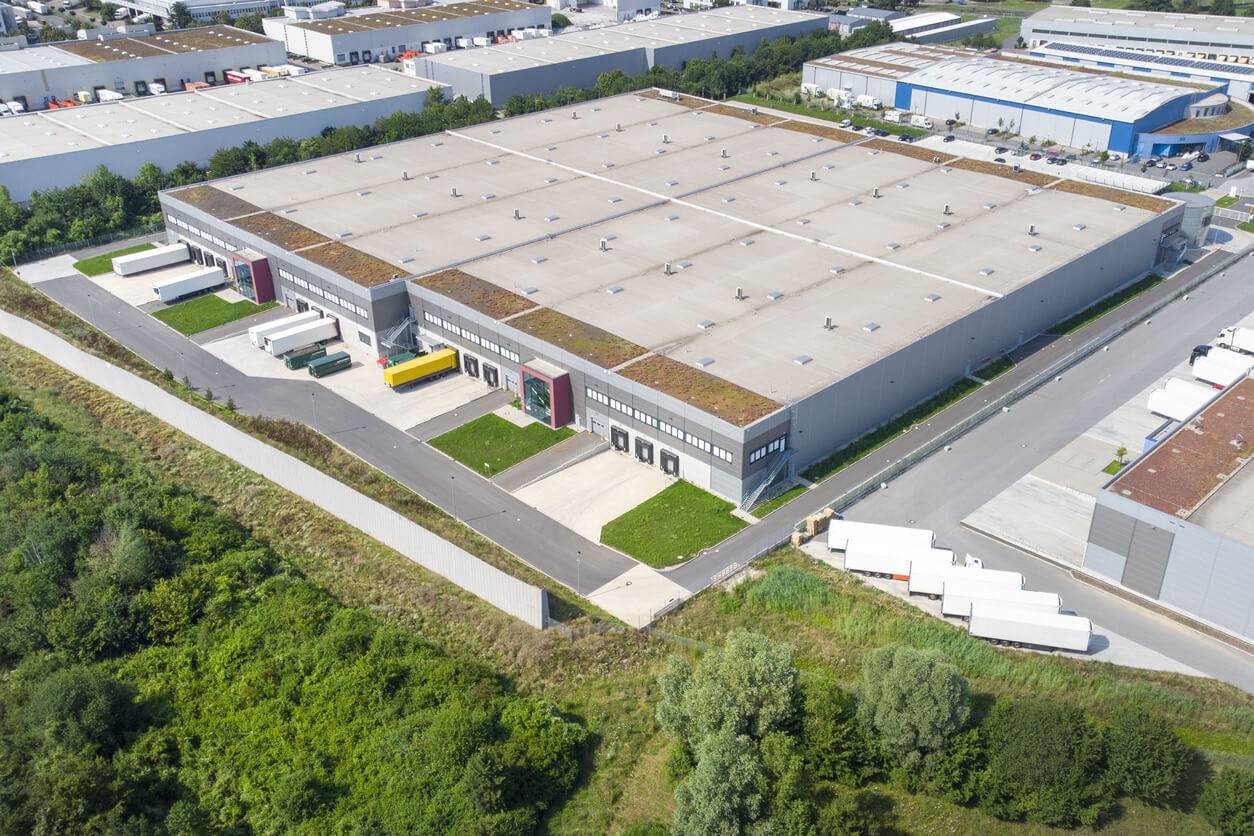
Fast answers still need roof evidence.
We plan the work around active tenants, roof access, weather exposure, and the actual system already on the building. Around RDU Airport-area logistics and loading access and Southpoint retail traffic and phased staging, the right scope often depends on timing as much as material choice.
Start ReviewWhat gets checked.
We separate the leak, access, schedule, and material questions before a recommendation is priced. The recommendation stays practical: what should be controlled now, what needs pricing, and what deserves a capital plan before the next weather window.
We look at membrane seams, roof drains, edge metal, penetrations, rooftop units, previous repairs, and safe access before pricing work.
What owners receive.
A written scope with photos, limits, schedule notes, and a practical recommendation for repair, recovery, coating, or replacement.
Contact UsRelated Roof Paths
Compare the next decision.
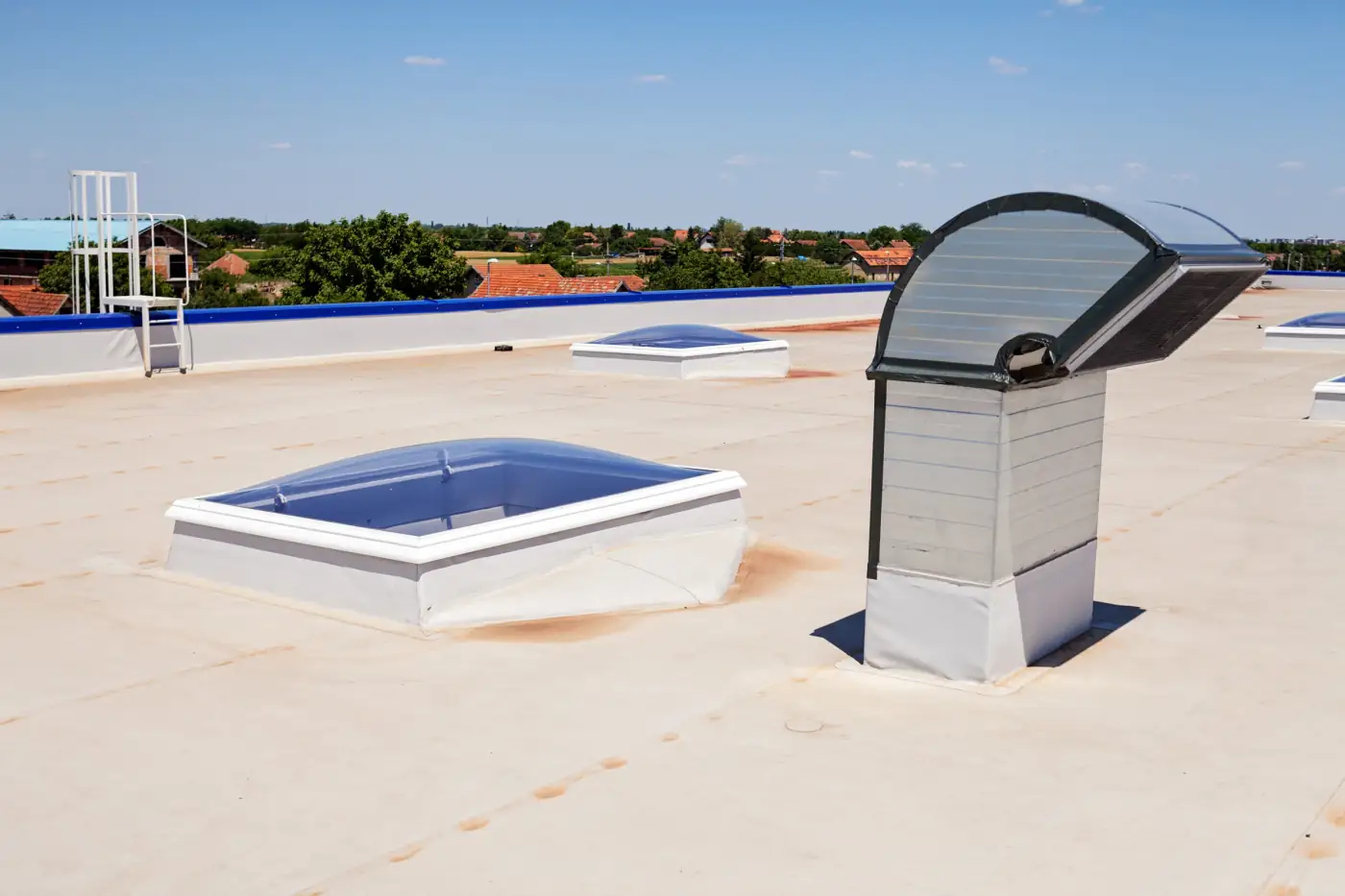
Commercial Roofing
Commercial Roofing starts with roof evidence around Duke Health and Duke University occupied-building constraints. We separate the leak, access, schedule, and material questions before a recommendation is priced.

Commercial Roof Replacement
Commercial Roof Replacement starts with roof evidence around American Tobacco Campus roof access and tenant-hour limits. We separate the leak, access, schedule, and material questions before a recommendation is priced.
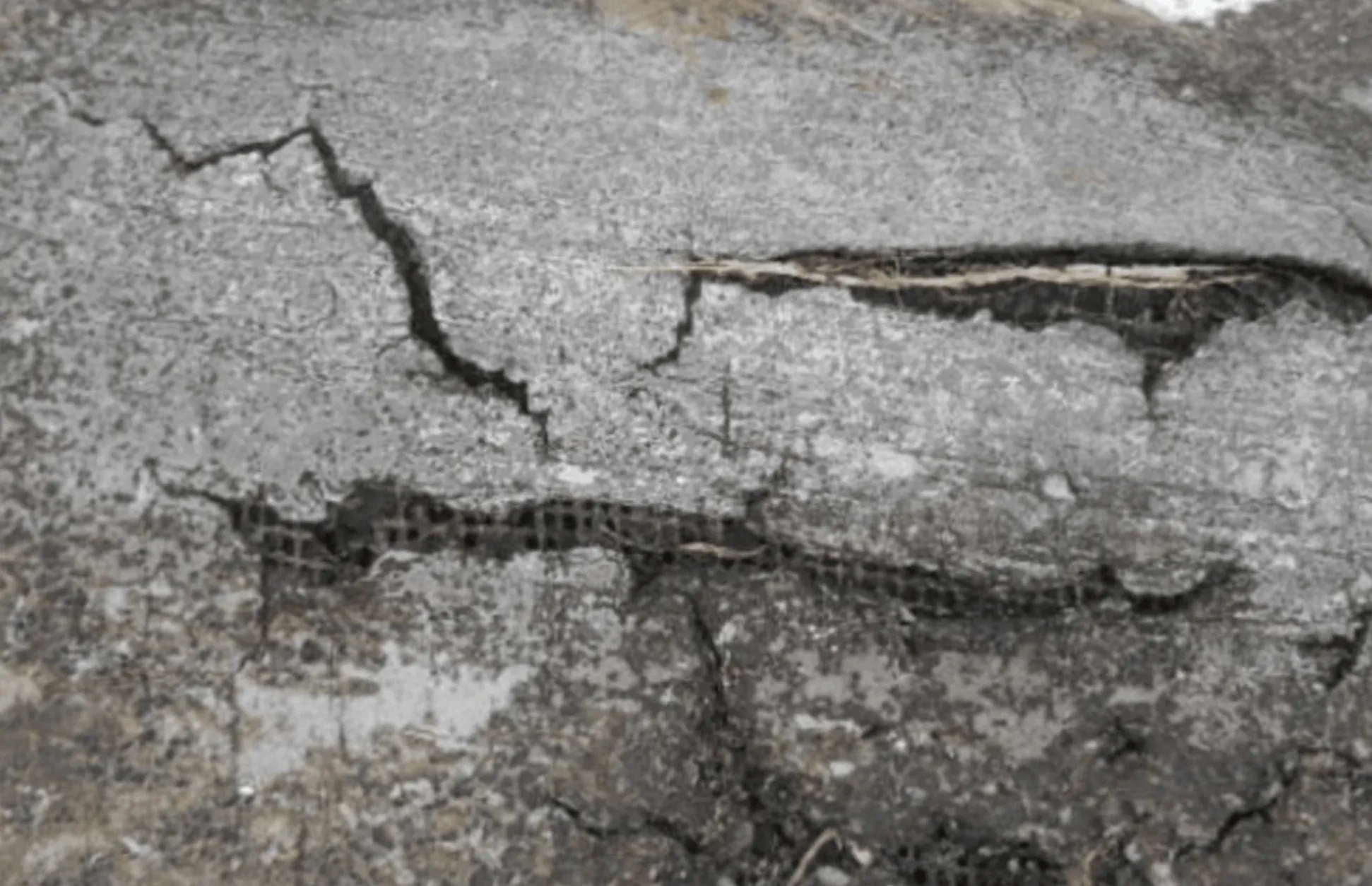
Commercial Roof Leak Repair
Commercial Roof Leak Repair starts with roof evidence around NC-147 and I-40 service-window planning. We document the roof condition in plain language so ownership can choose repair, recovery, coating, or replacement with fewer surprises.
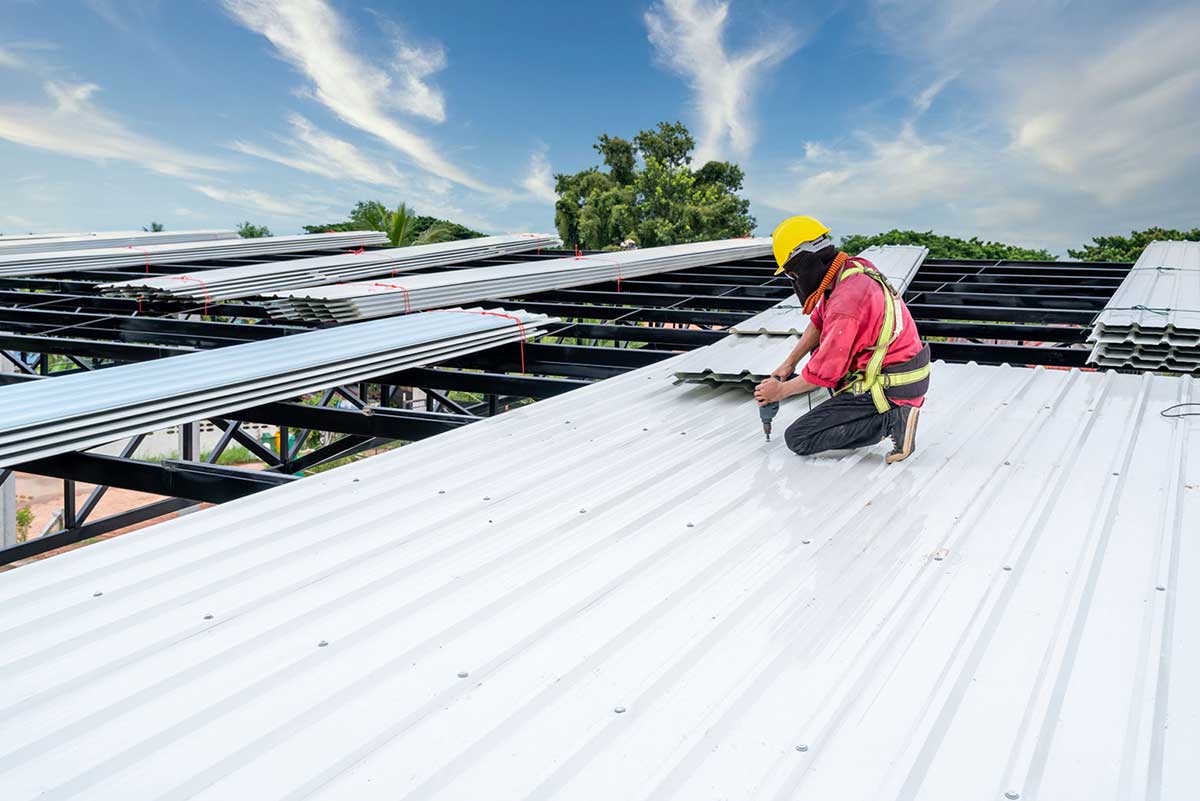
Commercial Re-Roofing
Commercial Re-Roofing starts with roof evidence around Research Triangle Park lab and office schedules. We separate the leak, access, schedule, and material questions before a recommendation is priced.
Services
Industrial Roofing for manufacturing facilities, warehouses, and industrial buildings throughout Durham, NC.
Industrial roofing in Durham is defined by Research Triangle Park - the 7,000-acre research and technology campus spanning Durham, Wake, and Chatham counties that houses more than 300 companies and represents one of the most concentrated life-science and technology building inventories in the United States. The buildings in RTP are not traditional heavy industrial facilities. They are laboratory complexes, pharmaceutical manufacturing and research buildings, biotech production facilities, advanced materials research centers, and technology campuses where the definition of "industrial roofing" extends to include rooftop mechanical systems of extraordinary complexity, specialized exhaust and ventilation penetration conditions, and interior environments that are profoundly sensitive to moisture intrusion. We work throughout RTP and the broader Durham industrial market - Treyburn Corporate Park, Imperial Center, the Ellis Road/Miami Boulevard warehouse corridors, HUB RTP, and Boxyard RTP - and we approach every RTP building as the specialized technical roofing challenge it is.
Research Triangle Park's building stock demands a different level of rooftop assessment than a standard commercial or logistics building. The density of rooftop mechanical equipment on a large pharmaceutical research building or biotech production facility is frequently comparable to what you'd find on an industrial plant, but the penetration types are more varied - process exhaust stacks, biosafety cabinet exhaust, clean-room supply and return air systems, precision temperature and humidity control equipment, and specialized research support utilities that were often added in phases over the building's operational history. Before we scope any roofing project on an RTP building, we conduct a comprehensive rooftop survey that documents every penetration, every curb condition, every equipment pad, and every area where modifications have been made to the original roof system. On buildings that have been in research use for 15-20 years, this survey typically reveals conditions that weren't visible in any existing documentation and that directly affect how the new system needs to be designed.
For Durham's flat and low-slope industrial and research facility roofs, we install TPO, EPDM, modified bitumen, and metal systems based on building conditions and occupancy requirements. Modern research and pharmaceutical manufacturing buildings in RTP are typically well-suited to fully adhered TPO or EPDM with tapered polyiso insulation designed to meet current North Carolina energy code and provide positive drainage across what are often very large roof surfaces. EPDM's field fabrication flexibility makes it appropriate for buildings with highly irregular penetration conditions where the ability to fabricate flashings in the field is more valuable than factory-controlled seam quality. Modified bitumen in two-ply systems handles older RTP buildings with complex existing substrate conditions or high penetration density. Metal standing seam is the right answer for new construction and re-roofing over metal framing on the logistics and distribution buildings in the Ellis Road and Miami Boulevard corridors.
Durham's climate delivers 46 inches of annual rainfall in a humid subtropical pattern that creates year-round roofing maintenance demands. Summer is the most intense precipitation season, with convective thunderstorms capable of delivering significant rainfall intensity in short periods. The extended warm and humid season accelerates UV degradation and thermal cycling on membrane surfaces. Winter brings the Mid-Atlantic oscillating freeze-thaw pattern - not the sustained cold of northern markets, but genuine freeze-thaw cycling that stresses seam and flashing conditions at the roof perimeter. The combination of high annual rainfall and humid subtropical climate makes drainage design and membrane seam integrity year-round concerns rather than seasonal ones.
Life-science and pharmaceutical buildings in RTP have roofing considerations tied to regulatory compliance that pure physical performance doesn't capture. FDA-regulated pharmaceutical manufacturing facilities, for example, operate under quality management programs that extend to facility maintenance - including roof maintenance. A roofing contractor working on a GMP pharmaceutical manufacturing building may be subject to the facility's vendor qualification program, documentation requirements for materials and installation, and change control procedures that govern modifications to building systems. We maintain the documentation infrastructure and quality system records that pharmaceutical facility programs typically require, and our project managers have experience working within quality management frameworks that are standard in the FDA-regulated manufacturing environment.
Treyburn Corporate Park and Imperial Center represent the corporate campus and light industrial segment of Durham's industrial roofing market - buildings that house technology companies, corporate services operations, and light manufacturing in a suburban campus setting. These buildings are typically in good structural condition and have roofing needs ranging from maintenance program management to full system replacement on buildings approaching end of service life. The corporate tenant environment in these parks creates a dynamic where building owners and property managers need to coordinate roofing work around tenant operations and lease obligations - we're experienced with this dynamic and can structure project scheduling to minimize tenant disruption.
The Ellis Road and Miami Boulevard warehouse corridors serve the distribution and logistics needs of the Research Triangle's large population and business base. These buildings - ranging from older 1990s-era distribution facilities to modern last-mile fulfillment centers - represent a more traditional industrial roofing market segment within the broader Durham market. Modern logistics buildings in these corridors need the same large-format single-ply or metal system capabilities as distribution buildings anywhere in the Southeast. Older buildings need careful substrate assessment before any re-roofing commitment is made. We work throughout these corridors with the same assessment rigor we apply to RTP buildings - the stakes are different, but the quality of the evaluation should not be.
HUB RTP and Boxyard RTP represent the newer-generation RTP development - adaptive reuse, mixed-use industrial, and entrepreneurial campus development that brings a different set of roofing conditions than the traditional corporate research campus. These buildings often involve modified or repurposed structures where the original roofing design doesn't match current occupancy or mechanical requirements. Re-roofing or maintaining these buildings requires understanding the original construction conditions and how subsequent modifications have changed the rooftop condition. We assess every building we work on as its specific self, not as a generic building type.
Rooftop equipment density on large RTP research and pharmaceutical buildings creates specific maintenance challenges that standard industrial maintenance programs don't address. HVAC equipment service contractors, process system maintenance crews, and utility contractors all access RTP building rooftops routinely, and this traffic creates a consistent risk of membrane damage - equipment set down without protective pads, tool drops, foot traffic outside designated walk routes. We establish walk pad systems and documented service route protocols as part of every RTP building roofing project, and we include rooftop condition checks focused on equipment traffic damage as a standard element of maintenance visit scope. Catching a puncture or abrasion from a service visit when it's small is the difference between a $200 repair and a $2,000 repair - or worse, an interior event that damages research equipment.
Humidity management is an often-overlooked roofing consideration for RTP buildings. Many research and pharmaceutical facilities maintain interior environments at specific temperature and humidity set points - clean rooms, biological sample storage areas, analytical instrument rooms - and the roof assembly's vapor management performance directly affects the facility's ability to maintain those conditions. Vapor retarder design, insulation continuity, and air barrier integration at the roof assembly level need to be addressed as part of roofing system specification, not treated as a mechanical engineering issue that the roofing contractor doesn't need to consider. We design vapor management into every RTP building roofing specification and coordinate with mechanical engineers on projects where the interior humidity control requirements are specific and documented.
We serve the full range of clients in the Durham and Research Triangle industrial market - RTP pharmaceutical and biotech facility managers, corporate campus real estate teams, warehouse corridor property managers, and HUB and Boxyard building operators. Whether you need a comprehensive re-roofing specification for a complex research facility, a maintenance program for a corporate campus, or a new construction roofing package for a distribution building, we have the technical capability and the specialized RTP experience to deliver. Contact us to schedule a site assessment.
Commercial Roofing of Durham
Questions Owners Ask
How do you handle roofing on an FDA-regulated pharmaceutical manufacturing building in RTP?
FDA-regulated pharmaceutical manufacturing buildings operate under quality management systems that extend to facility maintenance, and roofing work on these buildings falls within the scope of those systems. Our standard approach includes: completing the facility's vendor qualification process before project award if required; providing material submittals and documentation at the level specified by the quality program; following the facility's change control procedures for modifications to building systems; maintaining installation records with the detail the quality system requires; and providing close-out documentation that can be filed in the site master file or validation documentation system. Our project managers who work in pharmaceutical facilities are familiar with these requirements and don't need to be educated about them by the facility team - we know what the quality program expects and build compliance into our project execution from the beginning. If your facility has specific vendor requirements, share them early in the engagement and we'll address them directly.
Our RTP research building has dozens of rooftop penetrations added over the years. How do you manage that complexity in a re-roofing project?
Complex penetration inventories are standard for us in RTP. Our process starts before any scope is written: we conduct a comprehensive rooftop survey that documents every penetration by type, location, current condition, and the specific detail requirements for the new system. For active process systems - biosafety cabinet exhausts, chemical fume hood stacks, clean-room supply and return air - we coordinate with the facility's engineering and operations teams to understand what can and cannot be disturbed and what the restoration requirements are. Some penetrations require custom flashing fabrication rather than catalog components. For very complex penetration inventories, we produce a penetration detail matrix - a drawing set or table that documents every penetration and its corresponding new system flashing detail - so there's no ambiguity on the installation crew about how each penetration should be handled. This pre-installation documentation investment typically prevents field conditions that would otherwise require field decisions that may not be consistent with the facility's quality requirements.
What's the difference in roofing approach between a traditional warehouse on Ellis Road and a research building in RTP?
The physical systems are not dramatically different - TPO, EPDM, and modified bitumen all appear in both building types. The differences are in assessment rigor, penetration complexity, quality documentation requirements, and consequence management. A warehouse roof failure causes water inside a warehouse and inventory damage - serious, but recoverable. A roof failure on a pharmaceutical research building can damage irreplaceable samples, contaminate GMP manufacturing areas, damage millions of dollars in research equipment, or trigger regulatory notifications. The assessment before work begins is deeper on research buildings because the stakes of getting the specification wrong are higher. The installation quality assurance is more detailed because the consequences of a missed seam are more serious. The documentation is more comprehensive because the facility's management program requires it. If a contractor approaches a research facility roof the same way they approach a warehouse - without adjusting for the different occupancy sensitivity - they're not appropriate for RTP work.
Our life-science campus has service contractors regularly accessing the roof for HVAC and lab equipment maintenance. How do we protect the roof surface?
Walk pad systems are the foundation of protecting a heavily-trafficked research building roof. We install membrane-compatible walk pad material on clearly marked service routes from each access point to each major equipment location - the routes HVAC and other service contractors should walk. Beyond walk pads, we recommend a simple written protocol for service contractors that specifies: use designated walk routes only, use equipment mats under any equipment set on the roof surface, report any observed membrane damage immediately to the facility manager, and don't use metal tools or pointed objects directly on the membrane surface. Distributing this protocol as part of your facility contractor orientation process adds essentially no cost and significantly reduces the membrane damage that service traffic causes. We also include targeted rooftop condition checks at equipment areas as part of our maintenance visits, which catches service-traffic damage before it progresses from a surface abrasion to an active leak.
How do Durham's summers affect research building roofs differently than standard commercial buildings?
Durham's extended humid subtropical summer creates specific challenges for research building roofs that standard commercial buildings don't face to the same degree. High humidity combined with the dense rooftop mechanical equipment on research buildings creates elevated moisture vapor pressure conditions at the membrane surface. Buildings with clean room or other high-humidity interior environments can drive significant vapor flux through the roof assembly during summer, which affects insulation performance and, over time, can cause moisture accumulation within the assembly even without an active roof leak. Thermal cycling between cool conditioned building interiors and 100-degree-plus rooftop surface temperatures creates stress on perimeter seams and wall flashings that's more severe than on unconditioned industrial buildings. The UV exposure over a long North Carolina summer season drives membrane surface oxidation cumulatively faster than in northern climates. Reflective membrane surfaces, adequate vapor management design, and twice-annual inspection and maintenance are the appropriate responses to Durham's summer climate conditions on research buildings.