Humidity & Trapped-Moisture Commercial Roof Repair in Durham, NC
We handle humidity & trapped-moisture commercial roof repair by starting with the roof evidence owners can act on: photos, access limits, drainage notes, wet-area clues, and the operating constraints around American Tobacco Campus roof access and tenant-hour limits.
Fast answers still need roof evidence.
We document the roof condition in plain language so ownership can choose repair, recovery, coating, or replacement with fewer surprises. Around Duke Health and Duke University occupied-building constraints and Treyburn and Ellis Road industrial roof areas, the right scope often depends on timing as much as material choice.
Start ReviewWhat gets checked.
We plan the work around active tenants, roof access, weather exposure, and the actual system already on the building. The recommendation stays practical: what should be controlled now, what needs pricing, and what deserves a capital plan before the next weather window.
We look at membrane seams, roof drains, edge metal, penetrations, rooftop units, previous repairs, and safe access before pricing work.
What owners receive.
A written scope with photos, limits, schedule notes, and a practical recommendation for repair, recovery, coating, or replacement.
Contact UsRelated Roof Paths
Compare the next decision.
Commercial Roofing
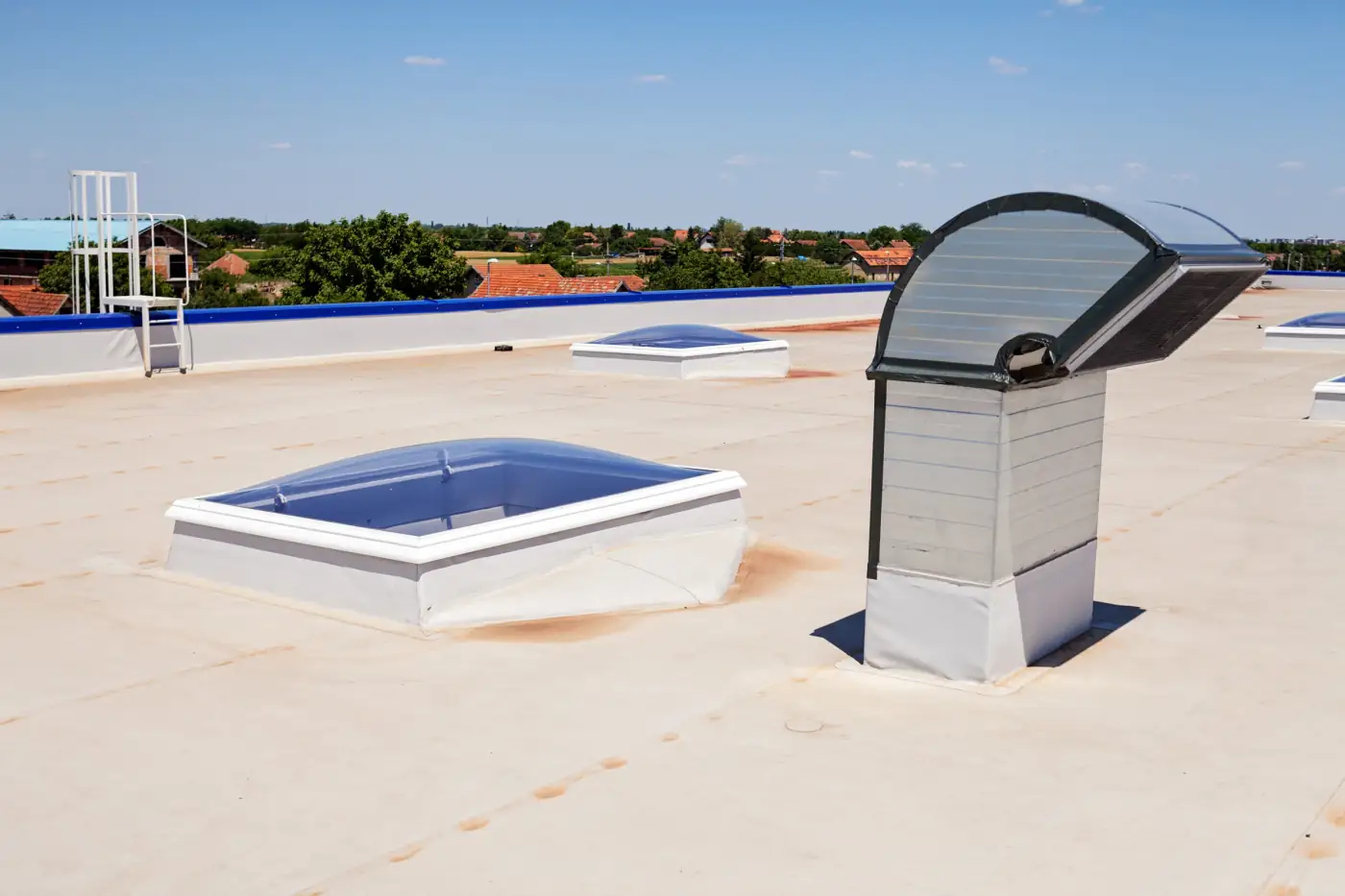
Commercial Roofing starts with roof evidence around Duke Health and Duke University occupied-building constraints. We separate the leak, access, schedule, and material questions before a recommendation is priced.
Commercial Roof Replacement
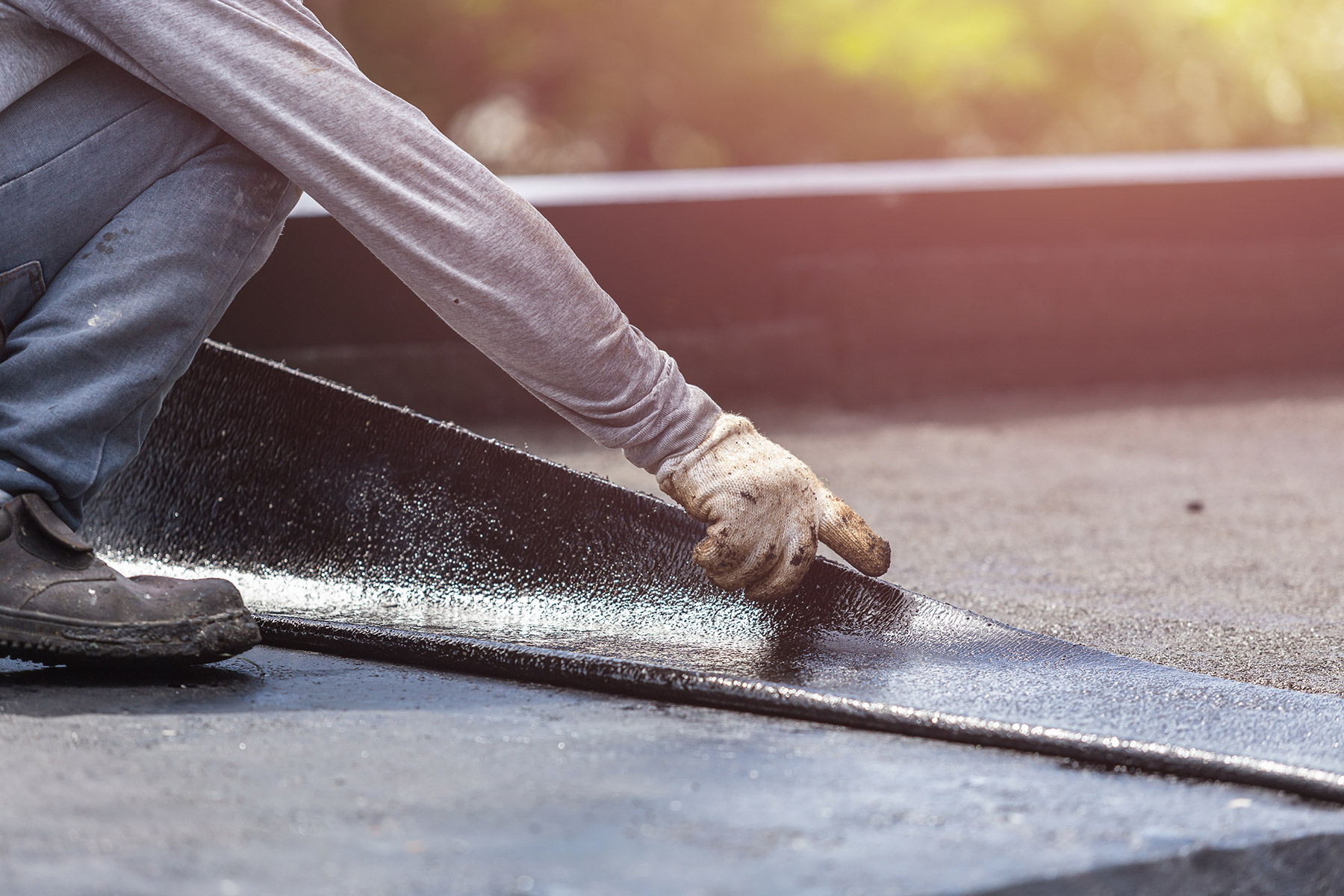
Commercial Roof Replacement starts with roof evidence around American Tobacco Campus roof access and tenant-hour limits. We separate the leak, access, schedule, and material questions before a recommendation is priced.
Commercial Roof Leak Repair
Commercial Roof Leak Repair starts with roof evidence around NC-147 and I-40 service-window planning. We document the roof condition in plain language so ownership can choose repair, recovery, coating, or replacement with fewer surprises.
Commercial Re-Roofing
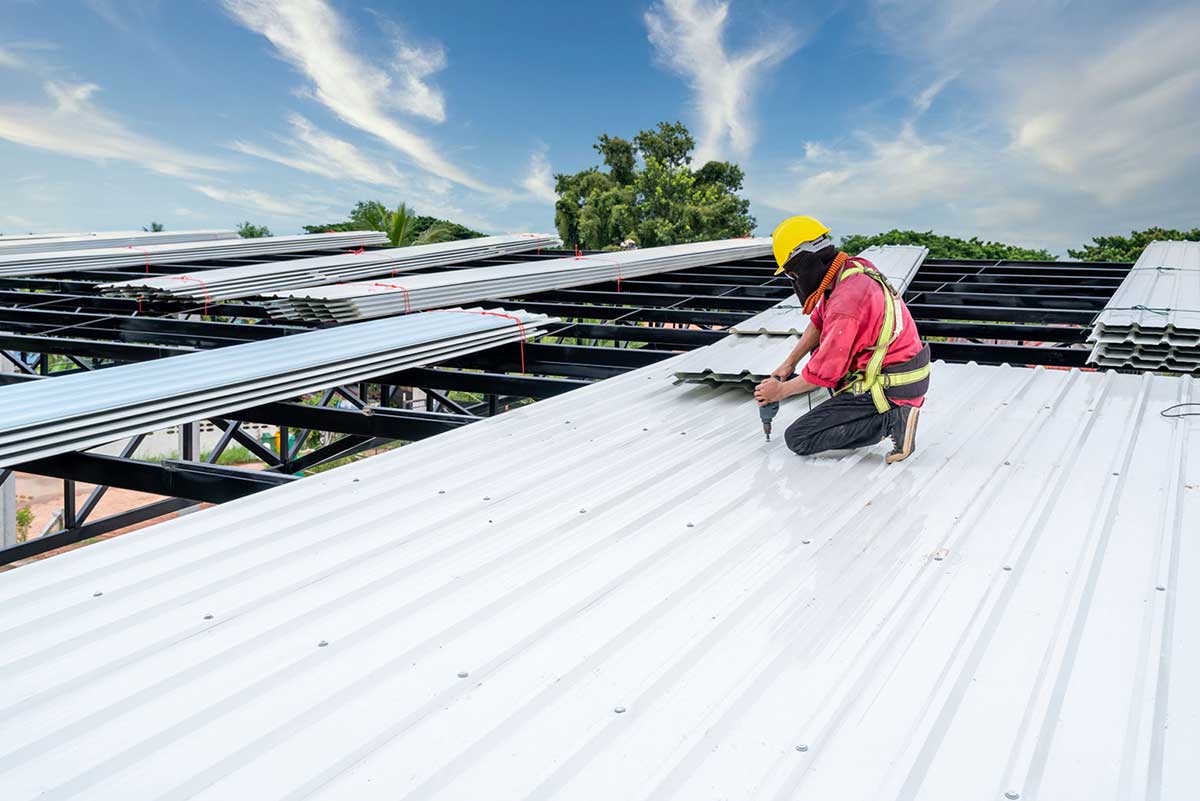
Commercial Re-Roofing starts with roof evidence around Research Triangle Park lab and office schedules. We separate the leak, access, schedule, and material questions before a recommendation is priced.
The leak that never saw a raindrop
Plenty of the worst moisture damage we open up on Durham commercial roofs never came from the sky. It came from inside the building. The Piedmont's long, sticky summers pack interior air with water vapor, and that vapor pushes up and out through the roof assembly looking for an exit. When it reaches a cooler layer on the way through, it condenses, and the resulting water has nowhere to drain. Season after season it waterlogs the insulation, blisters the membrane from beneath, and quietly eats the steel deck. By the time a ceiling tile finally stains, the wet area is almost never the size of the symptom.
We run into this constantly in buildings with heavy interior humidity: the restaurants and commercial kitchens around the American Tobacco District, the laundries and food processors tucked into the flex space off Miami Boulevard and Ellis Road, the humidified life-science and lab buildings across Research Triangle Park that hold elevated moisture year-round. The membrane itself may be perfectly sound single-ply. But if the vapor management was wrong for this climate, the assembly is fighting itself from the day it went down.
How humidity damage announces itself
This failure has a signature, and it reads differently from storm or wear damage. The patterns we hunt for on Durham roofs:
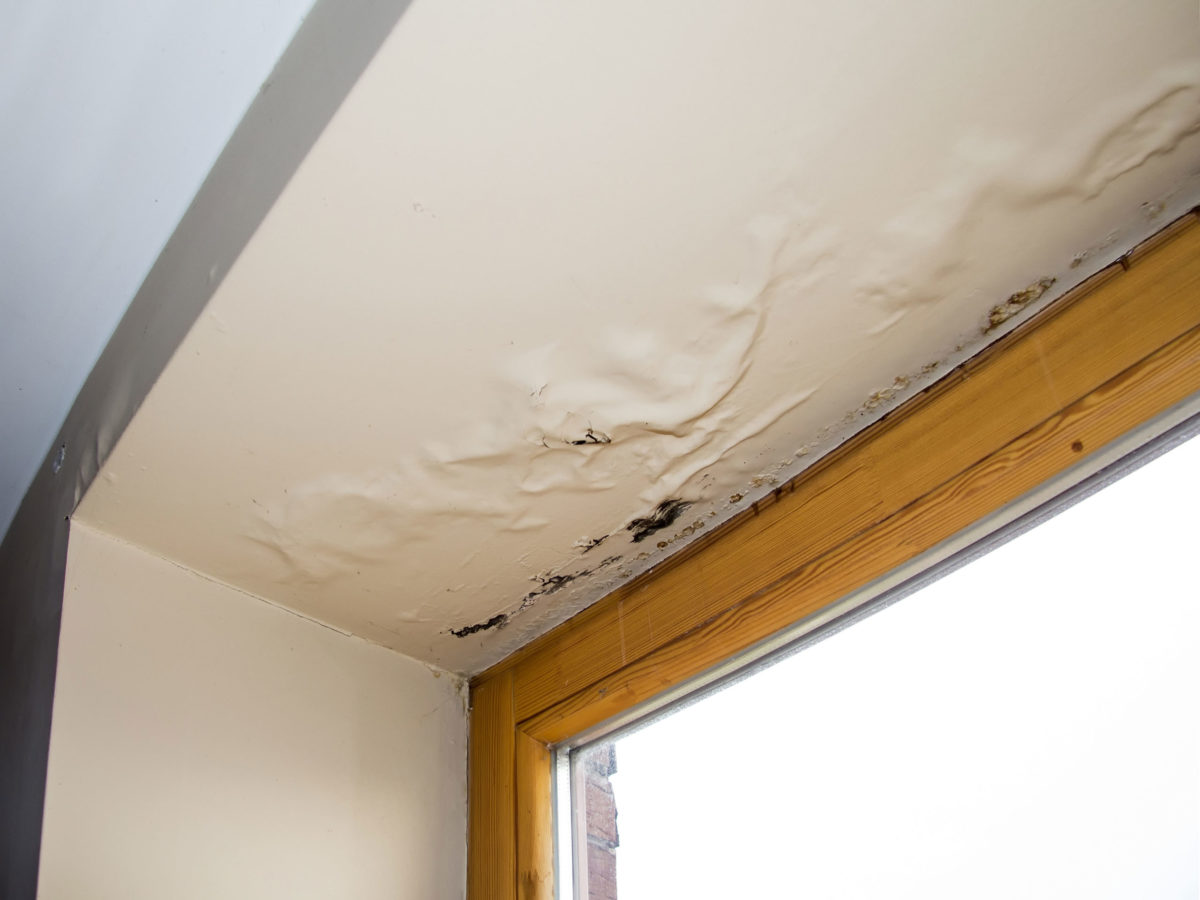
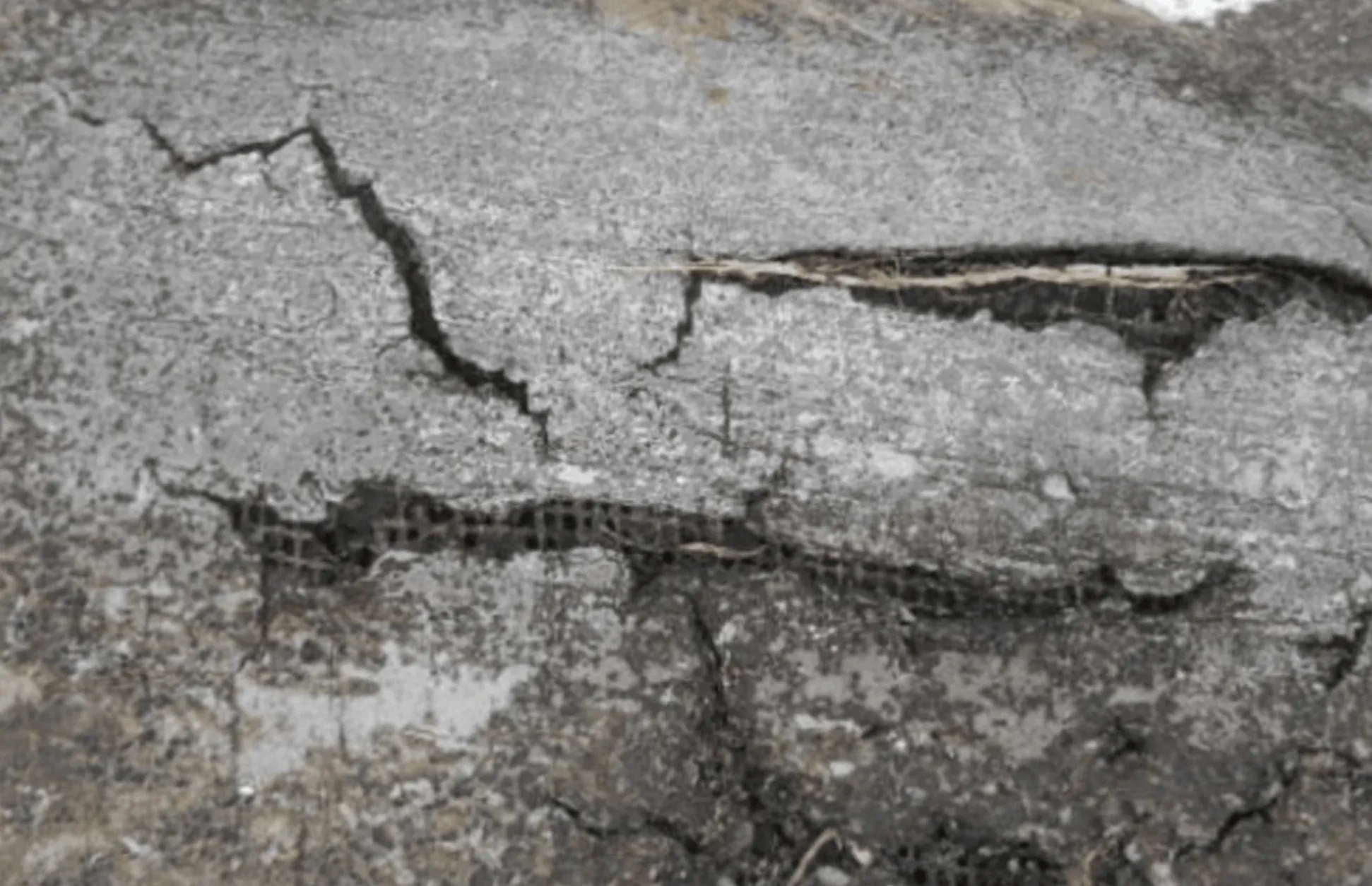
- Blistering. Vapor pressure building under the membrane lifts the sheet into bubbles and welts. That is not impact damage; it is pressure from below trying to find a way out.
- Ridging and wrinkling over insulation board joints, where trapped moisture has swollen the boards and shoved them up against the membrane.
- Soft, spongy footing where the insulation has soaked through and lost its compressive strength.
- Rust streaking and fastener back-out from a steel deck corroding under saturated board.
- Lifted edge metal and coping where the same moisture has rotted out the fascia fasteners from the inside.
What makes humidity damage so expensive is that it is already widespread when it surfaces. A rain leak is a point you can chase to its source. Trapped-vapor saturation is an area, and when a blister finally pops or a stain finally bleeds through, the wet zone underneath has usually been growing in the dark for years.
Why this climate makes it worse
The reason we see so much of it around Durham comes down to building physics in a humid, mixed climate. For a long stretch of the year the air outside is warm and loaded with moisture while the interior is cool and air-conditioned, which flips the simple cold-climate rule most older roofs were detailed around. Vapor drives inward and downward as much as up, condensation can form on the underside of a cool membrane or against a badly placed retarder, and the assembly never gets the reliable dry-out season a roof in an arid climate would. Add the daily swing between hot afternoons and cooler nights, and the assembly cycles through its dew point again and again, laying down a little more water each pass. A roof that would shrug this off in a dry climate slowly drowns here.
Interior use piles on top of climate. A tenant running a kitchen, a laundry, a wet process line, or a humidified lab pours far more vapor into the air than a dry office suite, and that vapor has to go somewhere. When the roof above one of those spaces was detailed for a generic dry interior, the mismatch turns into saturated insulation within a few years. Knowing the tenant's real humidity load is part of how we read a roof, because the identical membrane can be perfectly fine over a warehouse and quietly failing over a commercial kitchen two units down.
Infrared scanning to find the wet zones
You cannot repair what you cannot find, and most of this damage is invisible from the surface. Infrared moisture scanning is our standard diagnostic. We scan during the cooling window after sunset, when the contrast peaks: the saturated insulation has banked the day's heat and reads warmer than the dry board around it. The scan maps the extent and the boundaries of the wet zones, and we confirm them with physical core cuts that show exactly how deep the saturation runs and what shape the deck is in beneath it. For any older Durham building that has not had a documented moisture survey in the last few years, we push for one before any major roof decision, because wet insulation caught early is a patch and wet insulation caught late is a replacement.
The vapor barrier is usually the root cause
Treat the symptom without correcting the cause and the problem walks right back in. In this climate the dominant vapor drive runs upward, from the conditioned interior toward the outside, which puts the vapor retarder low in the assembly, near the deck and below the insulation. A surprising number of the roofs we open have it in the wrong place, damaged, or missing entirely, and the assembly has been banking condensation for years as a result. Recover over that mistake and you have built a brand-new moisture trap with a fresh membrane on top. When the diagnosis points to a vapor management failure, correcting the retarder placement is part of the repair, not a line we tacked on to pad the price.
Repair, or replace
Once the infrared survey and the cores are done, the scope decides itself based on how much of the roof is wet.
- Targeted repair is right when the saturation sits in discrete zones with sound, dry membrane around them. We cut out the wet insulation, set new dry board, restore the membrane over the repair, and re-seal any affected edge metal and flashings.
- Full replacement becomes the defensible call when wet insulation covers roughly a quarter to a third of the roof or more, or when the steel deck has corroded to where it no longer holds fasteners or carries load. At that point recovering only seals the water in, and the vapor problem has to be corrected across the whole assembly anyway.
We hand owners both numbers after the survey, with the infrared report standing behind them, so the repair-versus-replace decision rests on evidence rather than a hunch.
Why moving early saves money
Humidity damage does not wait politely while you budget for it. Saturated insulation has no R-value left, so the building bleeds conditioned air through the roof and the HVAC bill climbs to compensate. Steel keeps rusting wherever moisture sits against it. A roof reading fifteen percent wet coverage today can read forty or fifty percent two seasons on, and a manageable repair turns into a full tear-off with deck replacement. Catching it during a routine survey, before the ceiling stains and the deck rusts through, is the line between writing a repair check and writing a capital-project check.
Buildings most at risk in Durham
- Commercial kitchens and restaurants carrying heavy interior humidity loads downtown and around the American Tobacco District.
- Food processing, laundry, and wet-process flex tenants off Miami Boulevard and Ellis Road.
- Laboratory and life-science buildings in Research Triangle Park running humidified, year-round conditioned interiors.
- Older mid-century buildings whose original vapor detailing predates current climate-zone practice.
If you are seeing blisters, ridging, or unexplained interior staining on a Durham commercial roof, call us before the next humid summer compounds it. We will scan it, core it, and tell you honestly whether it is a repair or a replacement.