
Emergency Dry In Tarping in Durham, NC
We handle emergency dry-in and tarping by starting with the roof evidence owners can act on: photos, access limits, drainage notes, wet-area clues, and the operating constraints around Duke Health and Duke University occupied-building constraints.
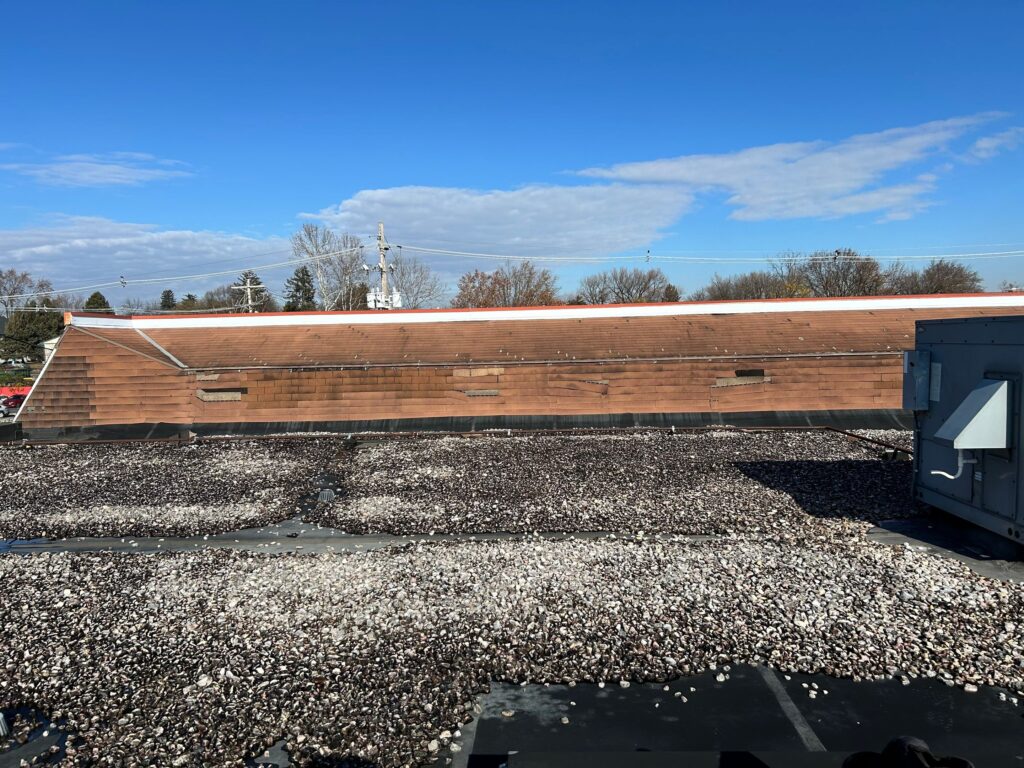
Fast answers still need roof evidence.
We separate the leak, access, schedule, and material questions before a recommendation is priced. Around Treyburn and Ellis Road industrial roof areas and humid Piedmont summers and quick freeze-thaw swings, the right scope often depends on timing as much as material choice.
Start ReviewWhat gets checked.
We document the roof condition in plain language so ownership can choose repair, recovery, coating, or replacement with fewer surprises. The recommendation stays practical: what should be controlled now, what needs pricing, and what deserves a capital plan before the next weather window.
We look at membrane seams, roof drains, edge metal, penetrations, rooftop units, previous repairs, and safe access before pricing work.
What owners receive.
A written scope with photos, limits, schedule notes, and a practical recommendation for repair, recovery, coating, or replacement.
Contact UsRelated Roof Paths
Compare the next decision.
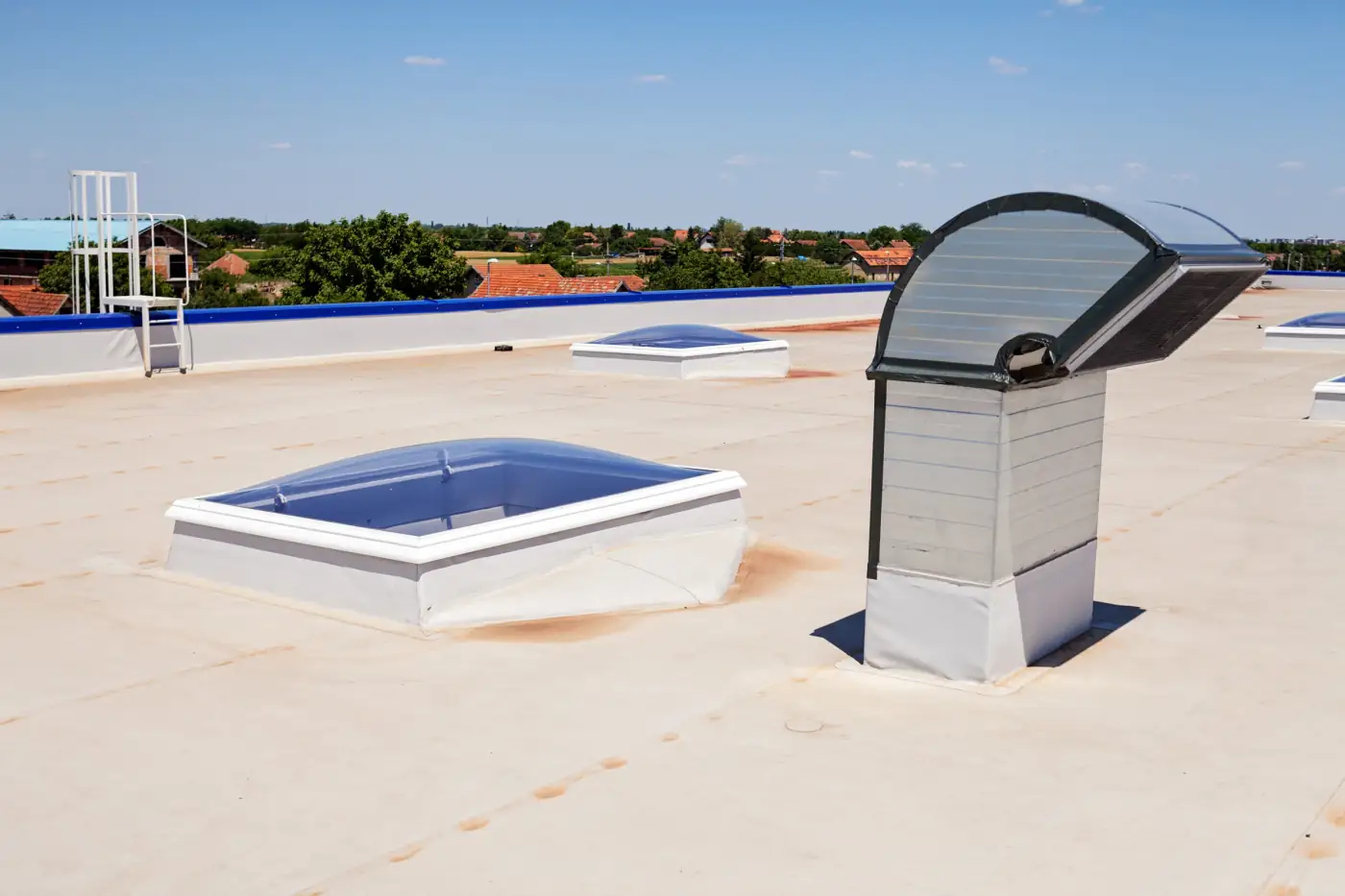
Commercial Roofing
Commercial Roofing starts with roof evidence around Duke Health and Duke University occupied-building constraints. We separate the leak, access, schedule, and material questions before a recommendation is priced.
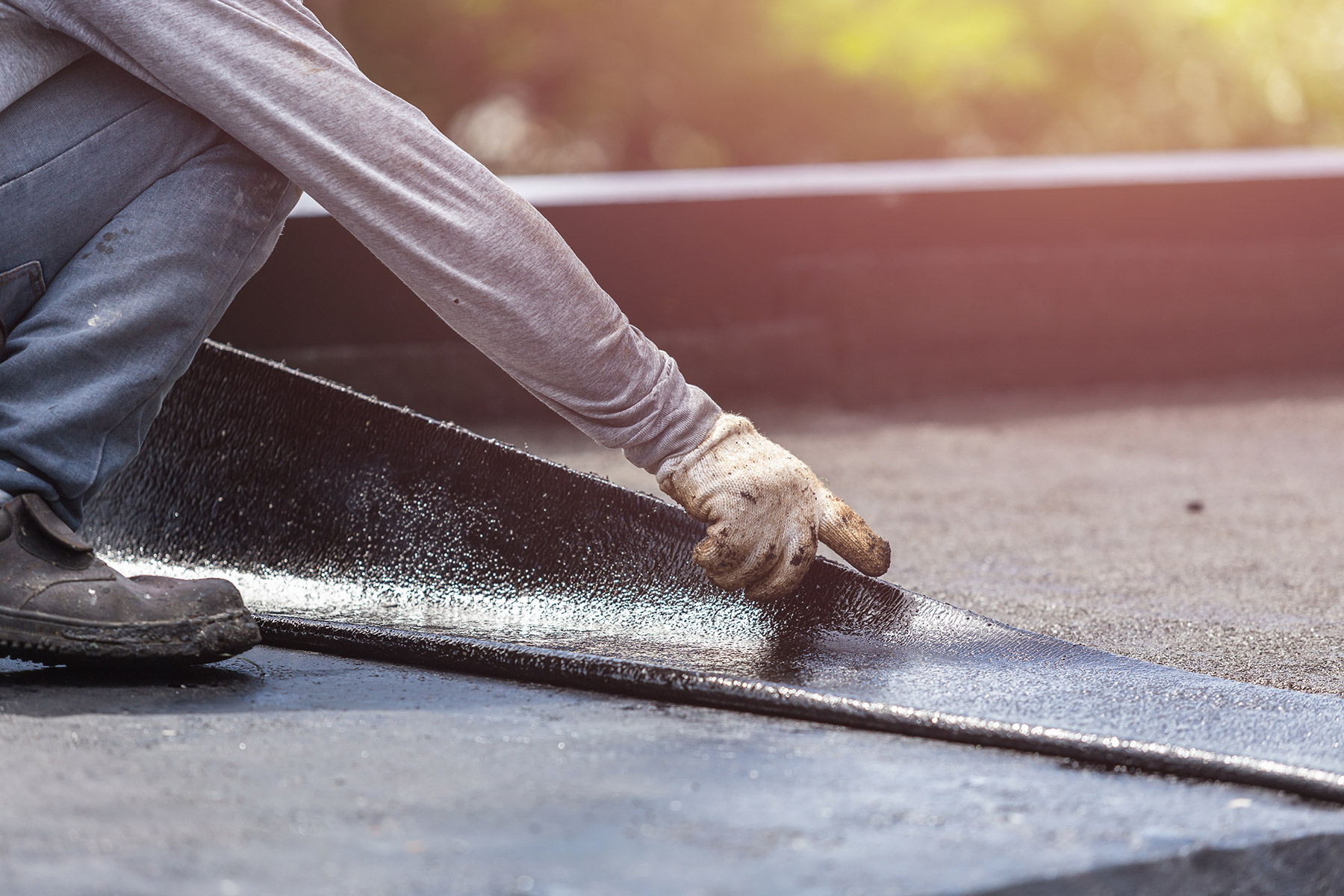
Commercial Roof Replacement
Commercial Roof Replacement starts with roof evidence around American Tobacco Campus roof access and tenant-hour limits. We separate the leak, access, schedule, and material questions before a recommendation is priced.
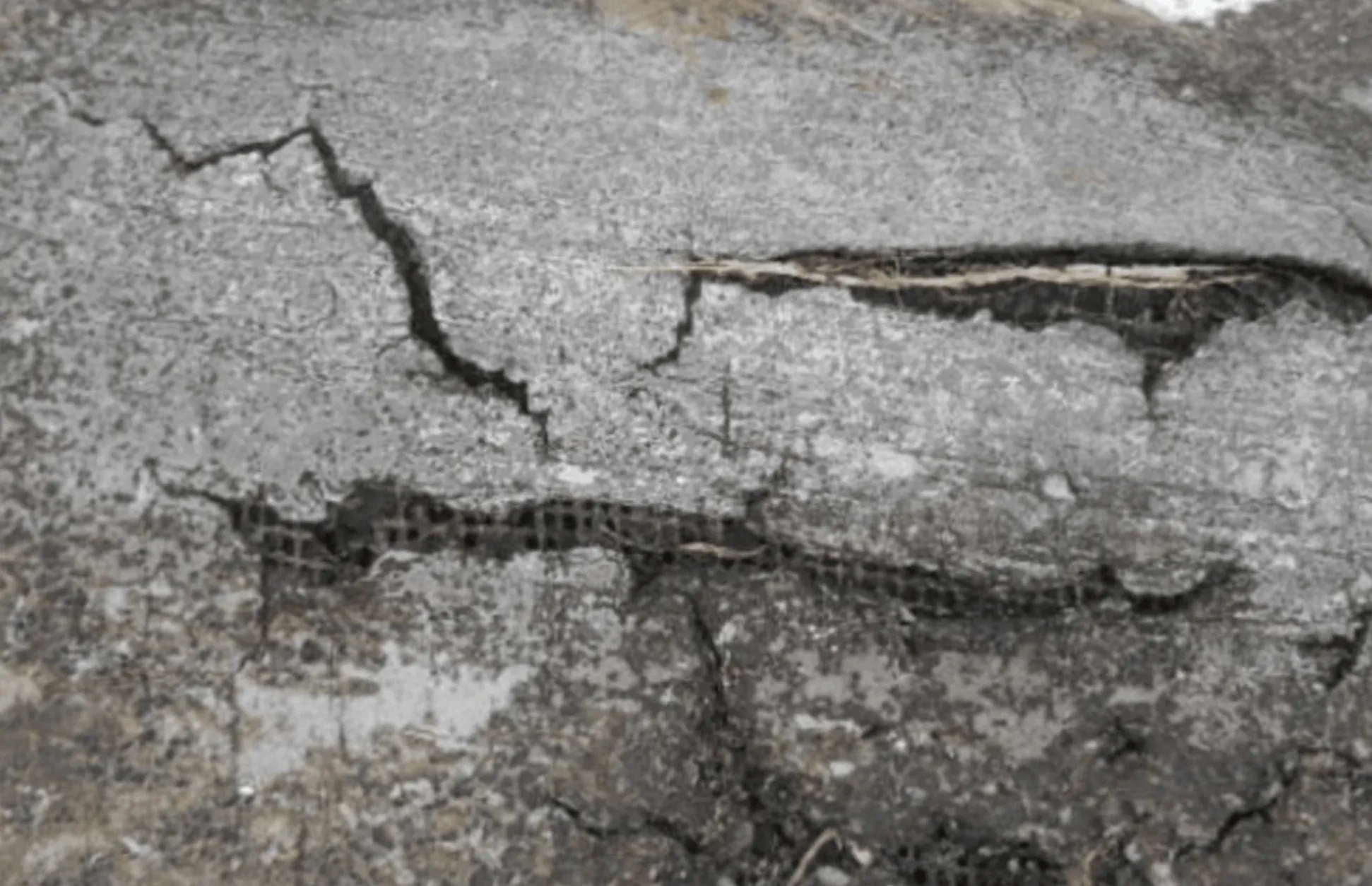
Commercial Roof Leak Repair
Commercial Roof Leak Repair starts with roof evidence around NC-147 and I-40 service-window planning. We document the roof condition in plain language so ownership can choose repair, recovery, coating, or replacement with fewer surprises.
Commercial Re-Roofing
Commercial Re-Roofing starts with roof evidence around Research Triangle Park lab and office schedules. We separate the leak, access, schedule, and material questions before a recommendation is priced.
Services
Emergency Dry-In and Tarping for commercial buildings across Durham, Research Triangle Park, Chapel Hill, Raleigh, and the greater Triangle commercial corridor.
When a roof is actively leaking into an occupied building, the clock starts immediately. Water migrating through ceiling tiles into a server room, a hospital supply corridor, or a retail floor isn't a scheduling problem - it's an operational emergency. Our emergency dry-in response is keyed to one priority: stop water entry as fast as possible, with whatever materials and techniques the situation requires, so the building can stay functional while permanent repair is scoped and authorized.
Durham and the broader Triangle see the conditions that trigger emergency calls throughout the year. Spring convective storms can punch through an aging TPO seam on a Tuesday afternoon. Late-summer hurricane remnants like Florence or Dorian can overwhelm drainage and force water through marginal flashing details that held up fine for years. January ice events - freezing rain following a warm spell - create ice dams and membrane stress that produce leaks in roofing assemblies that aren't designed for freeze-thaw cycling. Any of these can produce an active leak that can't wait for a Monday morning estimate.
The first step is access and assessment. Wet roofs in wind or after ice events have real safety hazards, and we don't put crews on roofs in dangerous conditions - but we do get there as soon as it's safe to work. Once on the roof, we're locating the entry point, which is rarely directly above where water is appearing inside. Water travels laterally through insulation and above vapor barriers before finding a ceiling penetration or seam to come through. We probe, look at drain patterns, and check the most likely failure points - seams, flashings, penetrations, edge metal - to find the actual source.
Temporary protection takes several forms depending on the situation. For large open membrane failures from wind uplift or tree impact, commercial reinforced polyethylene tarping with ballast or mechanical fastening provides immediate coverage over a broad area. For localized failures - a failed pipe flashing, a split seam, a puncture - we use peel-and-stick self-adhering membrane patches and elastomeric sealant applied directly to the damaged area. These aren't permanent repairs, but applied correctly they hold through subsequent rain events while the permanent scope is being put together.
Healthcare facilities along the Duke University Health System network and Duke Regional Hospital's Durham campus have particularly urgent response needs. Patient rooms, OR suites, pharmacy storage, and imaging equipment cannot tolerate active water intrusion for any length of time. Occupied hospital roofs also have specific access protocols - credentialing, safety orientation, escort requirements in some areas - and we're experienced working within those constraints. We keep the facility operations team informed throughout the emergency response, not just at the start and end.
Data centers and tech operations facilities at RTP have similarly low tolerance for moisture events. Even a minor ceiling leak near a server rack or UPS equipment triggers a severity response disproportionate to the roof damage itself. Getting the roof watertight quickly is only part of the picture - we coordinate with the facilities team on what's at risk below so they can take precautionary steps inside while we work above. A roof emergency in an occupied tech building is a team response, not just a roofing job.
Retail buildings at Southpoint and along the Durham Freeway corridor have different concerns: visible ceiling damage, wet flooring, and inventory exposure during business hours. When we're working on an occupied retail roof during store hours, we're conscious of safety below - no heavy equipment over occupied sales floors without communicating with building management, tarping weighted properly so it doesn't become a wind hazard. Temporary repairs on flat retail roofs are often straightforward because the roof geometry is simple; the challenge is coordinating access and timing around the building's operating schedule.
What temporary dry-in can and can't do is worth being direct about. A well-executed temporary repair will stop active water entry through the identified failure point. It won't address adjacent marginal conditions that aren't yet leaking. It won't restore the R-value of any insulation that's already wet. And it won't hold indefinitely under all weather conditions - we give an honest assessment of how long the temporary protection should remain reliable and what weather conditions it's rated for. If a winter storm is forecast within days of a dry-in, that changes what we do and what we tell you.
After the immediate emergency is addressed, we document everything - photographs of the failure point, the surrounding roof condition, the temporary repair installation, and the visible interior damage. This documentation serves the permanent repair scope and any insurance claim that follows. Emergency calls often turn into insurance claims, and having time-stamped documentation from the emergency response strengthens the record of what the storm or event actually did to the roof.
Commercial Roofing of Durham
Questions Owners Ask
How fast can you get to a Durham building after hours or on weekends?
We maintain after-hours emergency response capability for active leaks into occupied buildings. Response time depends on location, crew availability, and weather conditions - we won't put a crew on a roof during active lightning. For buildings in Durham proper, the Research Triangle Park area, and the immediate surrounding communities, we typically reach active-leak calls within a few hours of safe working conditions.
Our building management company says to just put buckets down and wait until Monday. Is that okay?
It depends entirely on where the water is going and how fast it's moving. Buckets protect flooring. They don't protect electrical panels, ceiling structure, insulation, or any equipment under the leak path. If water is anywhere near electrical systems, HVAC equipment, or is accumulating faster than collection containers can handle, that's an emergency response situation, not a wait-and-see. The cost of a weekend emergency call is almost always less than the cost of secondary damage from 48 hours of unchecked water entry.
We have a hospital facility with credentialing requirements. Can you still respond quickly?
Yes. We maintain current credentialing with major healthcare systems in the Triangle and understand the access requirements for healthcare facilities - background checks, safety training, escort protocols in patient-care areas. For facilities we haven't worked in before, we coordinate with the facilities operations director to get emergency access established as quickly as the system allows. Healthcare emergency response sometimes requires working alongside facilities staff rather than independently, and we're set up for that.
How long will a tarp or temporary patch hold?
A properly installed reinforced tarp with adequate ballast or mechanical fastening will hold through normal rain events for weeks to months. A peel-and-stick membrane patch on a clean, dry surface bonds well and holds through subsequent rain. Neither is a permanent repair, and both should be inspected after significant weather events during the interim period. We give you an honest assessment of the temporary repair's expected lifespan and note any conditions - high wind, ice events - that could compromise it sooner.
The insurance adjuster won't come for five days. Should we wait to do any repairs?
No. Your policy almost universally requires you to mitigate further damage - meaning you're expected to take reasonable steps to prevent ongoing water intrusion. Waiting five days for an adjuster while a roof is actively leaking is likely to increase your total claim amount (more interior damage) and could create a coverage dispute over the damage that occurred after the storm but before mitigation. Emergency dry-in and tarping do not prejudice your claim; they protect it. Document everything before, during, and after the temporary repair so the adjuster can see the original damage clearly.