
Edge Metal Coping and Gutters in Durham, NC
We handle edge metal coping and gutters by starting with the roof evidence owners can act on: photos, access limits, drainage notes, wet-area clues, and the operating constraints around NC-147 and I-40 service-window planning.
Fast answers still need roof evidence.
We plan the work around active tenants, roof access, weather exposure, and the actual system already on the building. Around Downtown Durham storm-drain and rooftop-equipment density and Golden Belt and Brightleaf adaptive-reuse roof details, the right scope often depends on timing as much as material choice.
Start ReviewWhat gets checked.
We separate the leak, access, schedule, and material questions before a recommendation is priced. The recommendation stays practical: what should be controlled now, what needs pricing, and what deserves a capital plan before the next weather window.
We look at membrane seams, roof drains, edge metal, penetrations, rooftop units, previous repairs, and safe access before pricing work.
What owners receive.
A written scope with photos, limits, schedule notes, and a practical recommendation for repair, recovery, coating, or replacement.
Contact UsRelated Roof Paths
Compare the next decision.
Commercial Roofing
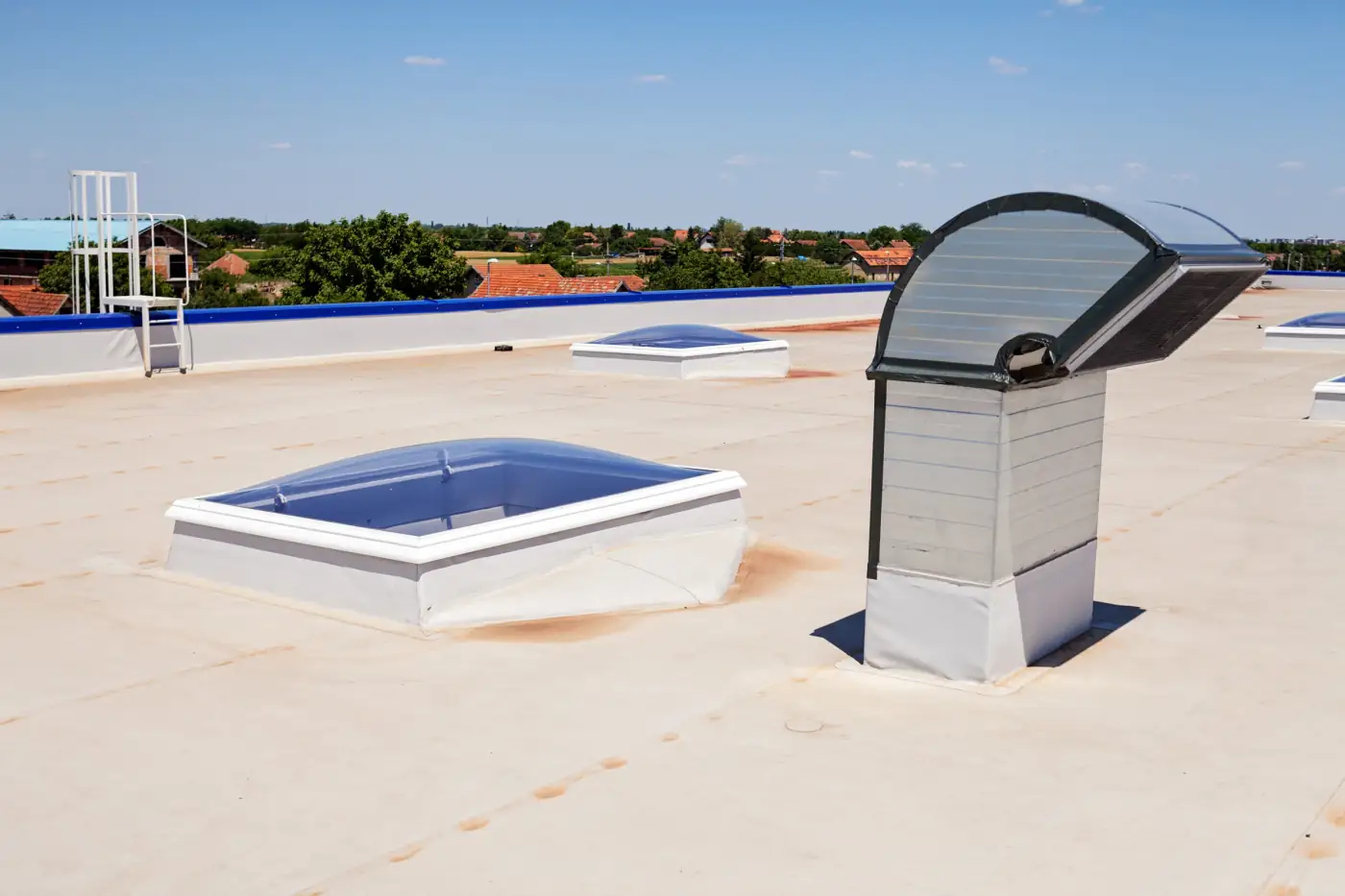
Commercial Roofing starts with roof evidence around Duke Health and Duke University occupied-building constraints. We separate the leak, access, schedule, and material questions before a recommendation is priced.
Commercial Roof Replacement
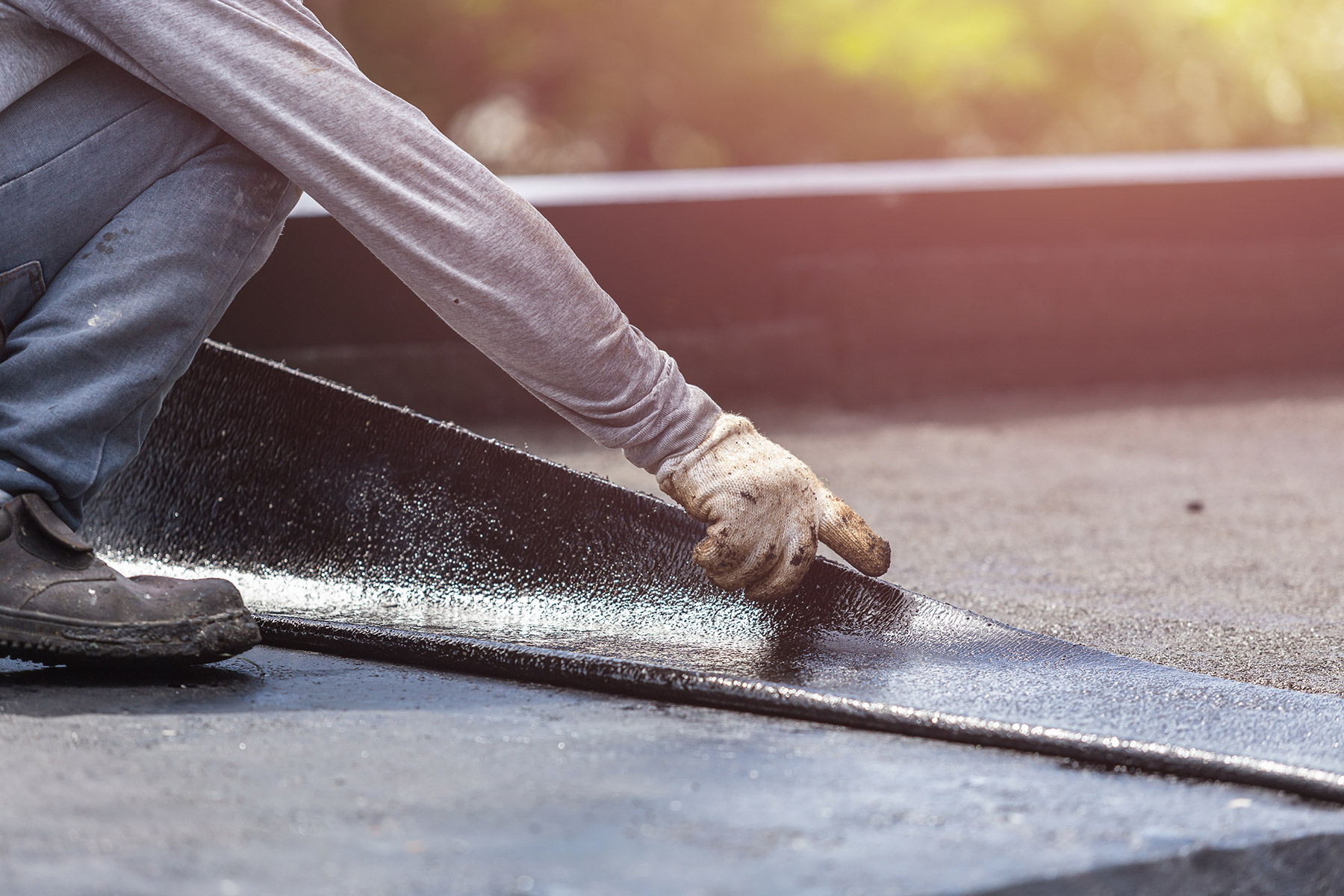
Commercial Roof Replacement starts with roof evidence around American Tobacco Campus roof access and tenant-hour limits. We separate the leak, access, schedule, and material questions before a recommendation is priced.
Commercial Roof Leak Repair
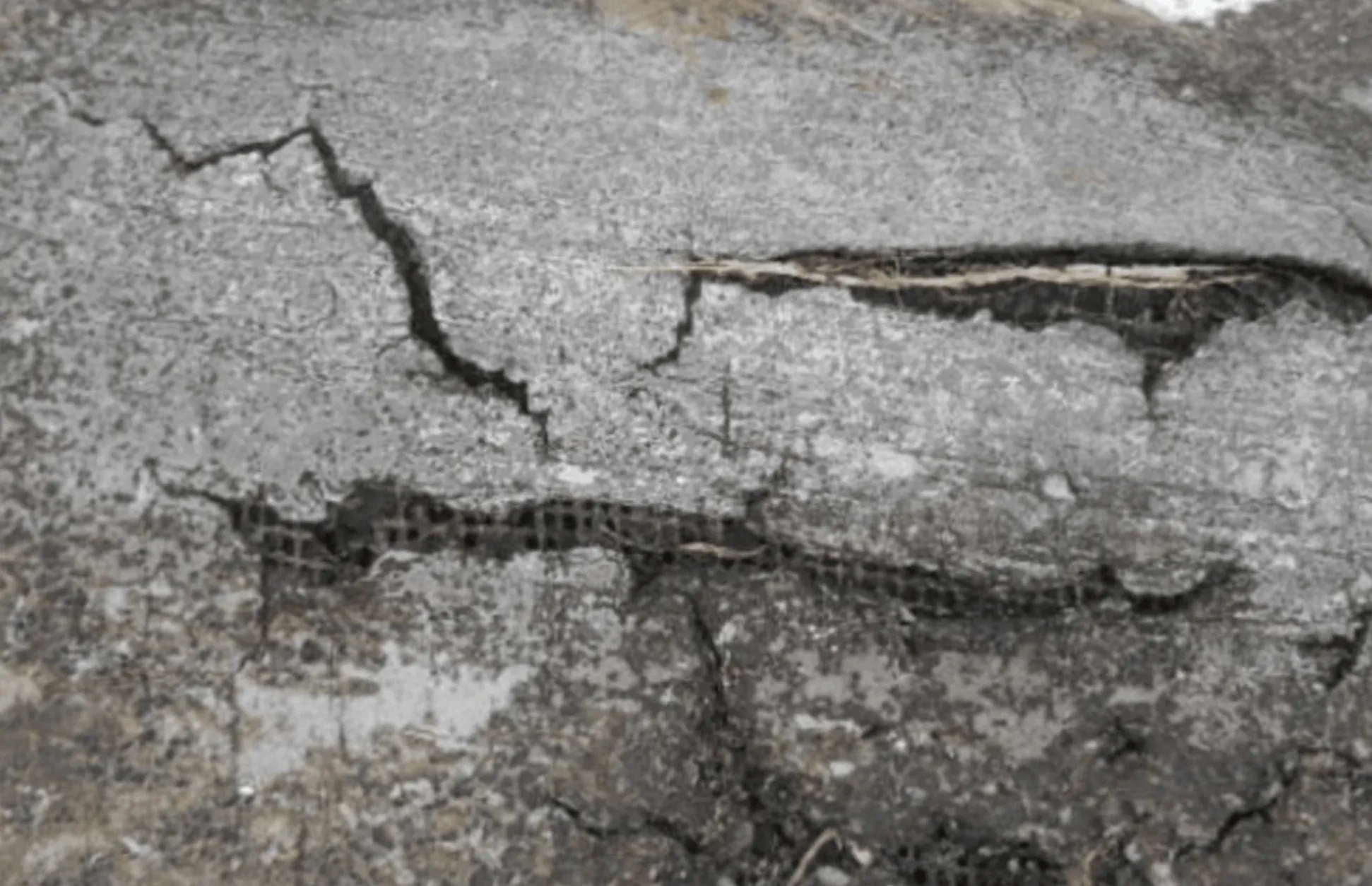
Commercial Roof Leak Repair starts with roof evidence around NC-147 and I-40 service-window planning. We document the roof condition in plain language so ownership can choose repair, recovery, coating, or replacement with fewer surprises.
Commercial Re-Roofing
Commercial Re-Roofing starts with roof evidence around Research Triangle Park lab and office schedules. We separate the leak, access, schedule, and material questions before a recommendation is priced.
Services
Edge Metal Coping and Gutters for commercial buildings across Durham, Research Triangle Park, Chapel Hill, Raleigh, and the greater Triangle commercial corridor.
The perimeter of a commercial flat roof is where membrane failures begin. Wind uplift acts first and hardest at edges - physics dictates that the negative pressure differential between the roof surface and the building exterior is highest at corners and along eave lines. When edge metal is improperly fastened, undersized for wind zone requirements, or has corroded to the point where fasteners pull through, the membrane behind it starts to lift. A membrane that's lifting at the edge will eventually peel back across the field, and what started as a perimeter detail failure becomes a major replacement event. On RTP office buildings and warehouse facilities along the Ellis Road Corridor, we've seen membrane blow-offs that traced directly to edge metal that was fastened to original 1980s specifications - adequate then, not adequate for the updated ASCE 7 wind zone calculations that apply today.
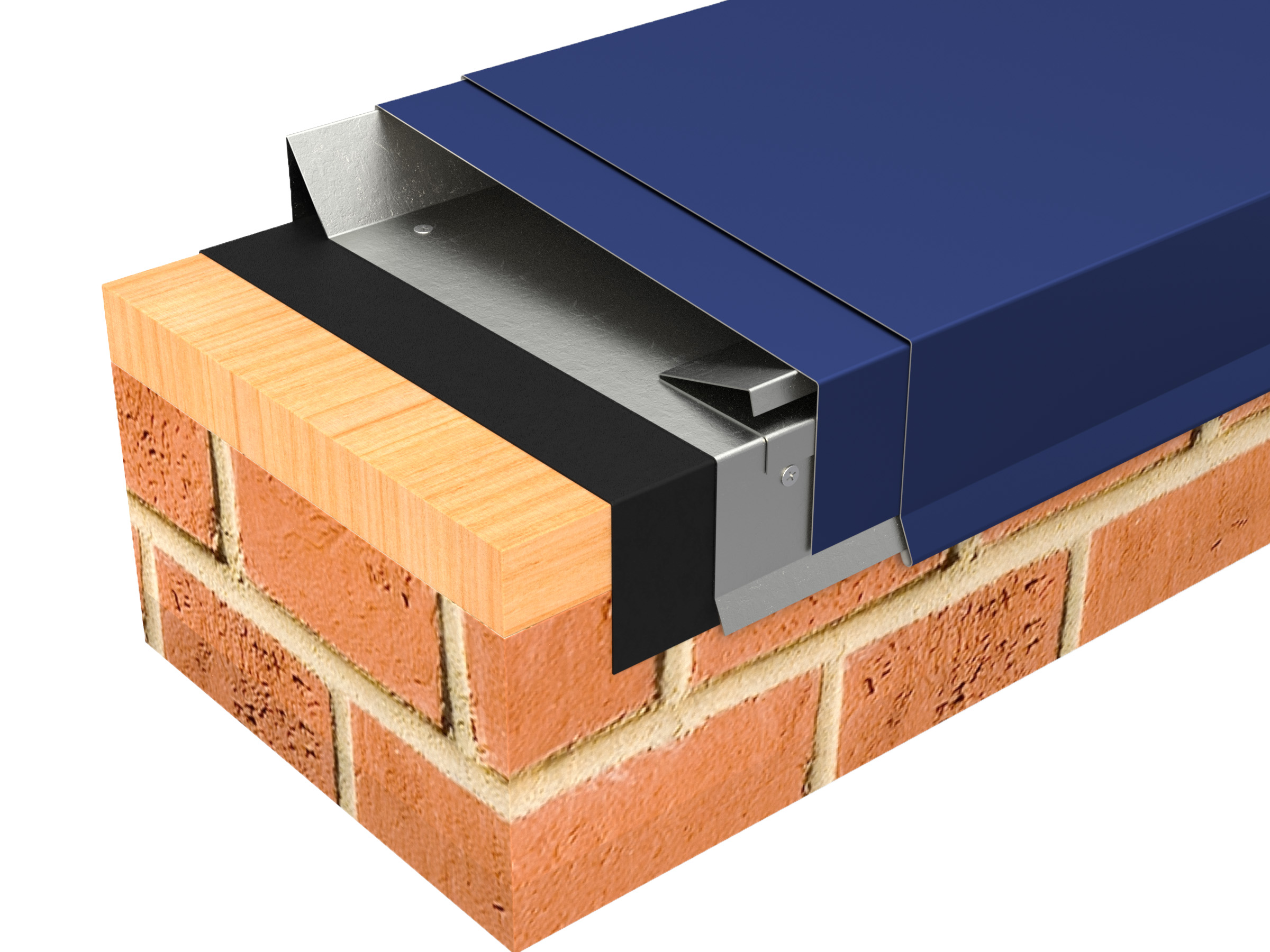
Coping caps on parapet walls are both a waterproofing element and a structural one. A properly designed coping cap sheds water away from the parapet face and back onto the roof, covers the top of the wall against direct water entry into the masonry or CMU, and provides the mechanical anchor for the top edge of the roof membrane and counterflashing system. When coping caps fail - joint sealant deteriorated, anchor clips corroded, cap units uplifted by wind - water enters the top of the parapet and migrates down through the wall assembly. The interior leak that appears at the ceiling well inside the building perimeter often traces to coping failure rather than any membrane condition.
The historic buildings in Durham's Brightleaf District, American Tobacco Campus, and Golden Belt have masonry parapets with metal coping that reflects decades of repair history. Original lead-coated copper or terne metal coping from early construction has often been overlaid with aluminum, which was overlaid with EPDM strips, which were eventually covered with lap sealant. Each layer added without removing the previous one creates a system where movement at any joint breaks the continuity of multiple layers simultaneously. We strip these assemblies back to the masonry surface, assess the parapet substrate, and install new coping with properly lapped joints, thermal expansion provisions, and integration to the roof membrane - work that holds for decades rather than requiring re-treatment every few years.
Edge metal profiles - drip edges, gravel stops, fascia systems - need to match the height of the roof assembly at the point of installation. This is a detail that gets overlooked on re-roof projects where the new system is installed over an existing one: the roof surface rises, but the edge metal stays at its original elevation, leaving a gap between the new membrane edge and the top of the fascia. Water finds that gap. We verify edge metal height against finished roof surface elevation on every perimeter repair and replacement project, and we specify new or extended edge metal when the existing profile is no longer adequate for the current roof thickness.
Gutter sizing is a hydraulic engineering problem, and the Triangle's rainfall intensity makes undersized gutters a real performance issue. Durham's annual precipitation of 46 inches sounds moderate, but it arrives in concentrated events - summer thunderstorms that can drop two inches in an hour are common, and hurricane-remnant systems can deliver three to five inches in a single day. A gutter system sized for the Southeast's historical rainfall intensities may be undersized against what climate patterns are producing now. Overflowing gutters cause water to back up behind fascia, saturate the roof edge assembly, and eventually intrude into the wall system below. We calculate required gutter capacity against 10-year storm return intervals for Durham rainfall data when sizing replacements.
Downspout placement and discharge matter as much as gutter capacity. A correctly sized gutter connected to undersized or blocked downspouts backs up just as badly as an undersized gutter. On buildings where downspouts discharge to grade, we verify that discharge locations are clear of foundation walls and that the splash block or underground drain connection is functional. Downtown Durham buildings with zero lot lines often have downspouts that tie to the municipal storm system - we confirm those connections are intact and that the tie-in pipe hasn't collapsed or clogged. A gutter system that can't drain is worse than no gutter at all, because it holds standing water against the fascia and roof edge continuously.
Internal gutter systems - built into the parapet wall at the roof perimeter rather than hung below the eave - appear on some older Durham warehouse and industrial buildings and require a different maintenance approach. These gutters are part of the building structure and can't simply be removed and replaced the way a hung gutter can. When an internal gutter corrodes or its liner fails, water enters the wall assembly directly. We line or reline internal gutters with compatible membrane material and ensure that the liner integrates properly with the roof membrane field and the downspout leader system.
Reglet and counterflashing systems where roof membranes meet walls - a common detail at rooftop penthouses, mechanical rooms, and building wing transitions - are part of the edge and perimeter flashing family that needs periodic attention. The reglet (a slot cut into the wall or masonry mortar joint) accepts the top edge of the counterflashing; if the mortar joint deteriorates or the reglet sealant fails, water enters behind the counterflashing and tracks down behind the base flashing. On University area buildings and the older office stock around Durham Central Park, we find reglets that haven't been re-pointed in decades. It's a straightforward repair that prevents chronic slow leaks at wall-to-roof transitions.
Commercial Roofing of Durham
Questions Owners Ask
Our edge metal looks fine from the ground. How do we know if it actually needs attention?
Visible condition from the ground tells you almost nothing about edge metal performance. The critical issues - fastener spacing, clip corrosion, joint sealant condition, membrane integration at the back edge - are only visible from the roof surface and require getting close to the perimeter. A rooftop inspection of the perimeter, including pulling up the membrane edge to check the back-bar condition, is the only reliable way to assess edge metal. We include perimeter edge metal in every routine roof inspection.
How do I know if my gutters are sized correctly for Durham rainfall?
If your gutters overflow during moderate summer thunderstorms - not just during extreme events - they're undersized for the actual rainfall intensity you're experiencing. We can calculate required gutter cross-section and downspout count for your roof drainage area against Durham's recorded storm intensities. Gutters that overflow regularly aren't just a nuisance; they're actively damaging the fascia, soffit, and wall assembly below the overflow point every time they exceed capacity.
The coping caps on our parapet are loose. Is that a roofing problem or a masonry problem?
Both, and they need to be addressed together. Loose coping caps allow water into the parapet masonry, which causes further deterioration of the masonry and the anchor system that holds the coping - a cycle that accelerates quickly if not addressed. We coordinate coping repair with masonry repointing when the parapet substrate needs attention. Replacing coping caps on a deteriorated parapet without addressing the masonry is a short-term fix that will fail at the same attachment points within a few years.
We're in a historic building in the American Tobacco Campus. Do we have to match original materials?
Historic district requirements vary, and American Tobacco Campus has its own design guidelines administered by the property ownership and applicable Durham historic preservation standards. Visible elements - coping cap profiles, fascia appearance, gutter style - may have design review requirements. We've worked on historic buildings in Durham and are familiar with navigating design review for roofing components. The functional waterproofing elements hidden from view typically have more flexibility than visible architectural metal. We can work within historic guidelines while installing systems that perform to current standards.
After the last storm, we found the membrane had lifted along one edge. What caused that?
Membrane uplift at the perimeter is almost always an edge metal or fastening failure. Wind creates negative pressure above the membrane surface; if the edge metal isn't holding the membrane down securely, the membrane lifts and the wind gets underneath it. Common causes include corroded or missing back-bar fasteners, edge metal that has separated at a lap joint, or membrane that wasn't properly bonded to the back-bar during installation. We assess the full perimeter condition when we repair a blow-off - because one failure point usually means there are adjacent areas that are one wind event away from the same failure.