
Pharmaceutical & Laboratory Roofing in Durham, NC
We handle pharmaceutical & laboratory roofing by starting with the roof evidence owners can act on: photos, access limits, drainage notes, wet-area clues, and the operating constraints around Treyburn and Ellis Road industrial roof areas.
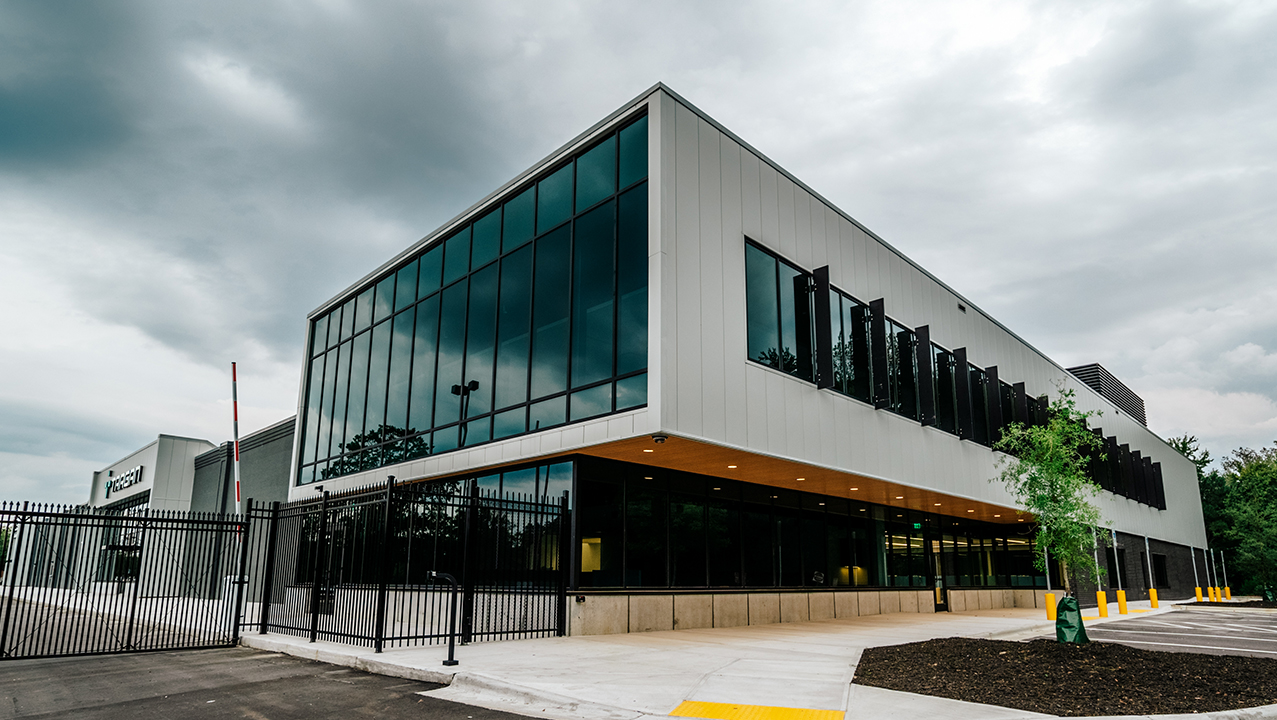
Fast answers still need roof evidence.
We make roof decisions readable for ownership groups that need budget clarity before authorizing field work. Around humid Piedmont summers and quick freeze-thaw swings and NC-147 and I-40 service-window planning, the right scope often depends on timing as much as material choice.
Start ReviewWhat gets checked.
We plan around the building's occupancy, access limits, roof equipment, loading areas, and operating hours. The recommendation stays practical: what should be controlled now, what needs pricing, and what deserves a capital plan before the next weather window.
We look at membrane seams, roof drains, edge metal, penetrations, rooftop units, previous repairs, and safe access before pricing work.
What owners receive.
A written scope with photos, limits, schedule notes, and a practical recommendation for repair, recovery, coating, or replacement.
Contact UsRelated Roof Paths
Compare the next decision.
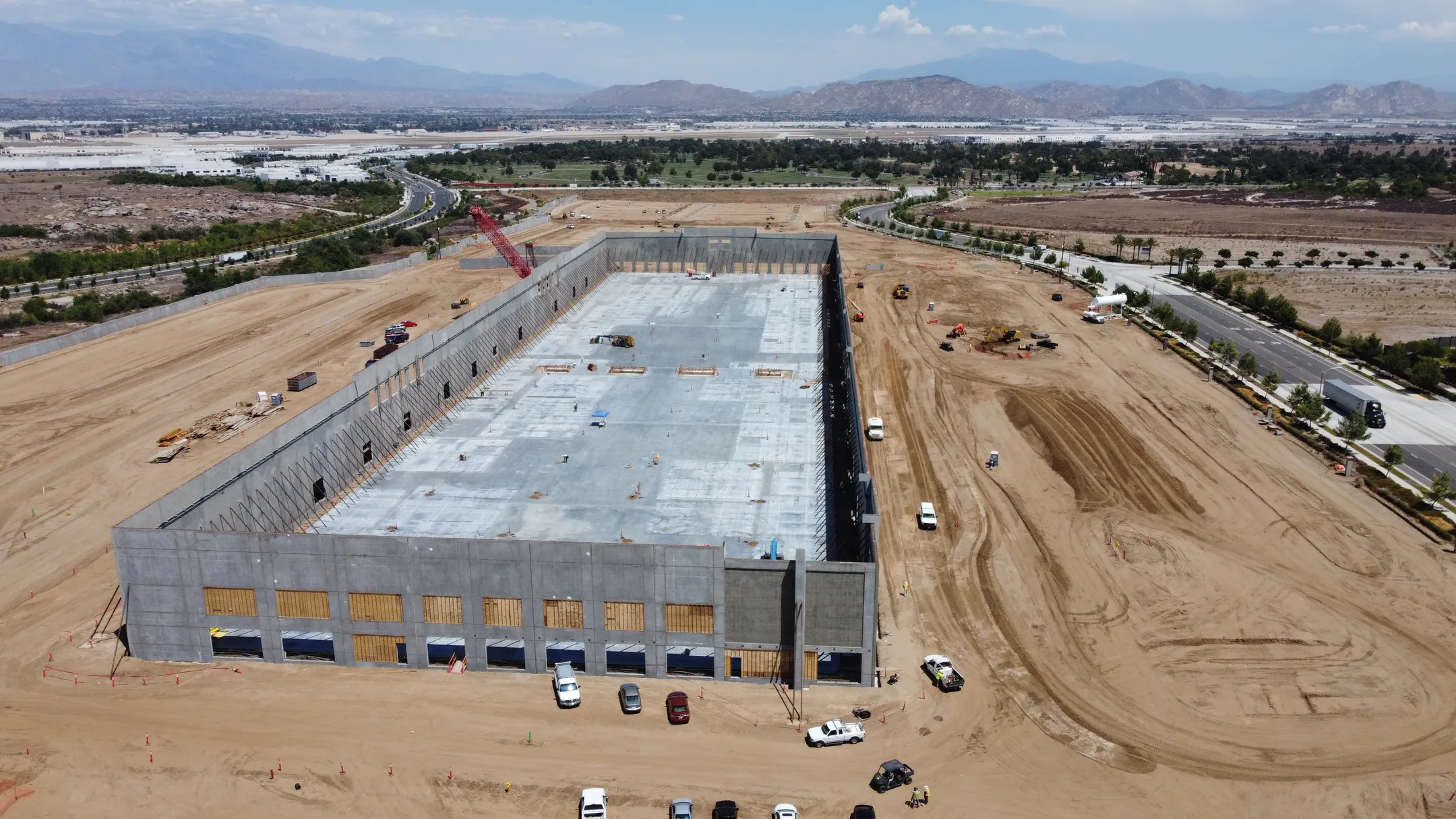
Warehouse Roofing
Warehouse Roofing starts with roof evidence around American Tobacco Campus roof access and tenant-hour limits. We make roof decisions readable for ownership groups that need budget clarity before authorizing field work.
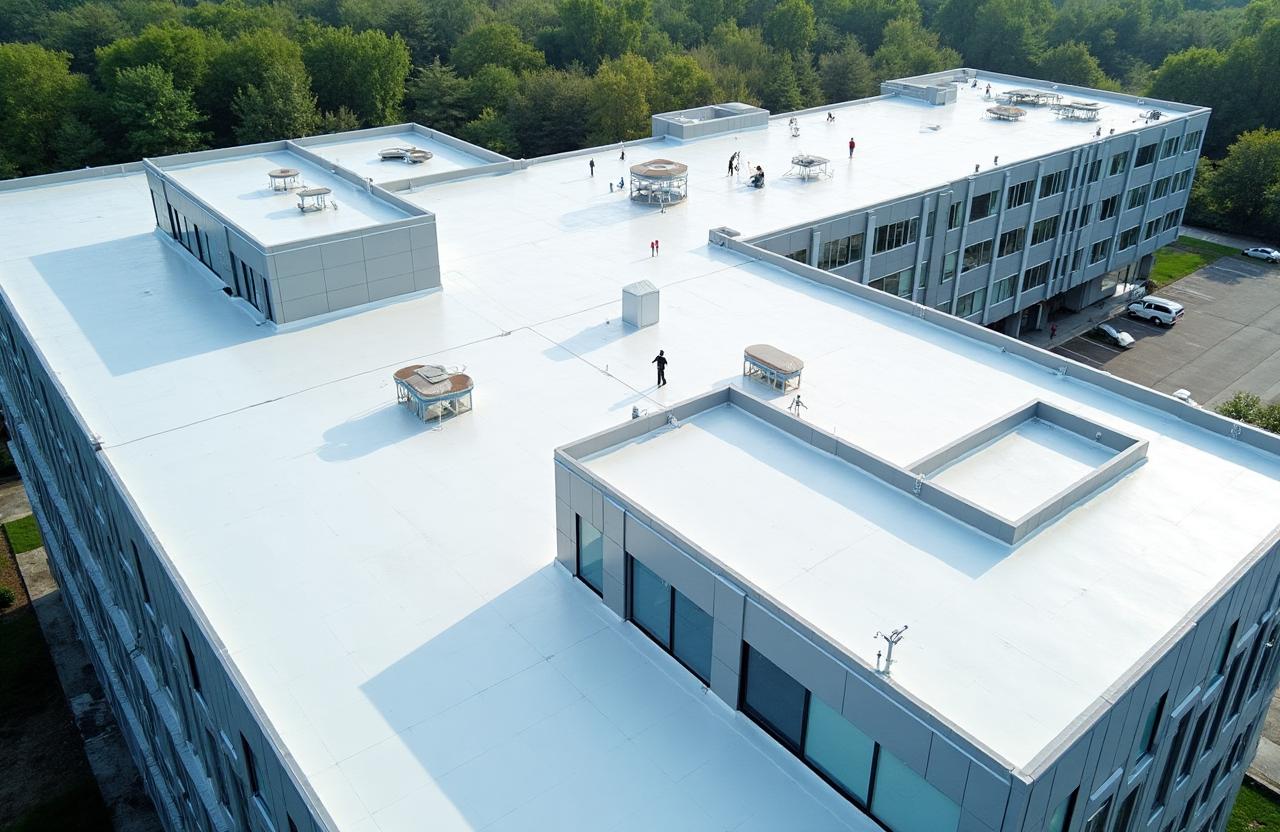
Office Complex Roofing
Office Complex Roofing starts with roof evidence around Golden Belt and Brightleaf adaptive-reuse roof details. We plan around the building's occupancy, access limits, roof equipment, loading areas, and operating hours.
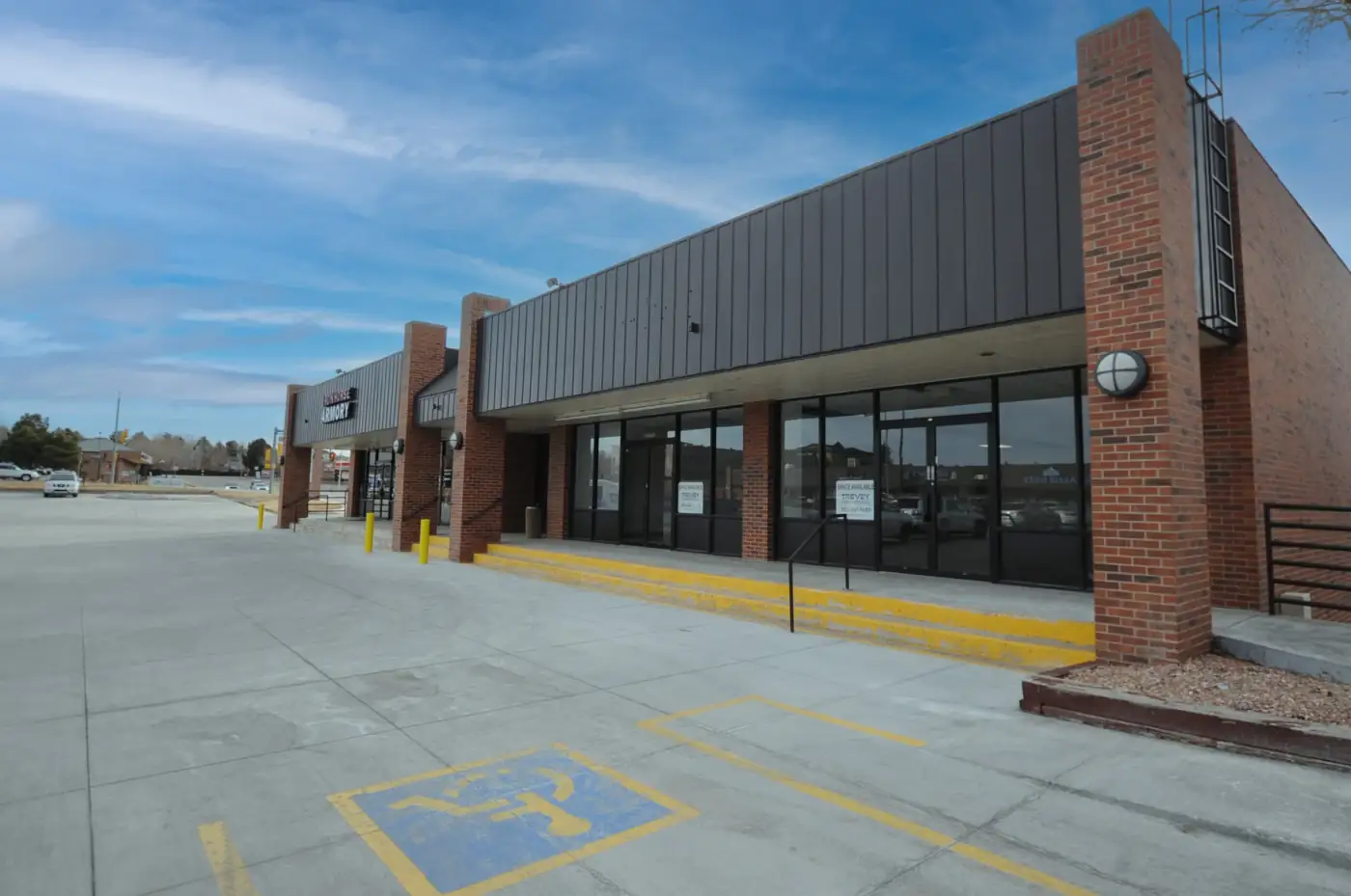
Big-Box Retail Roofing
Big-Box Retail Roofing starts with roof evidence around American Tobacco Campus roof access and tenant-hour limits. We plan around the building's occupancy, access limits, roof equipment, loading areas, and operating hours.
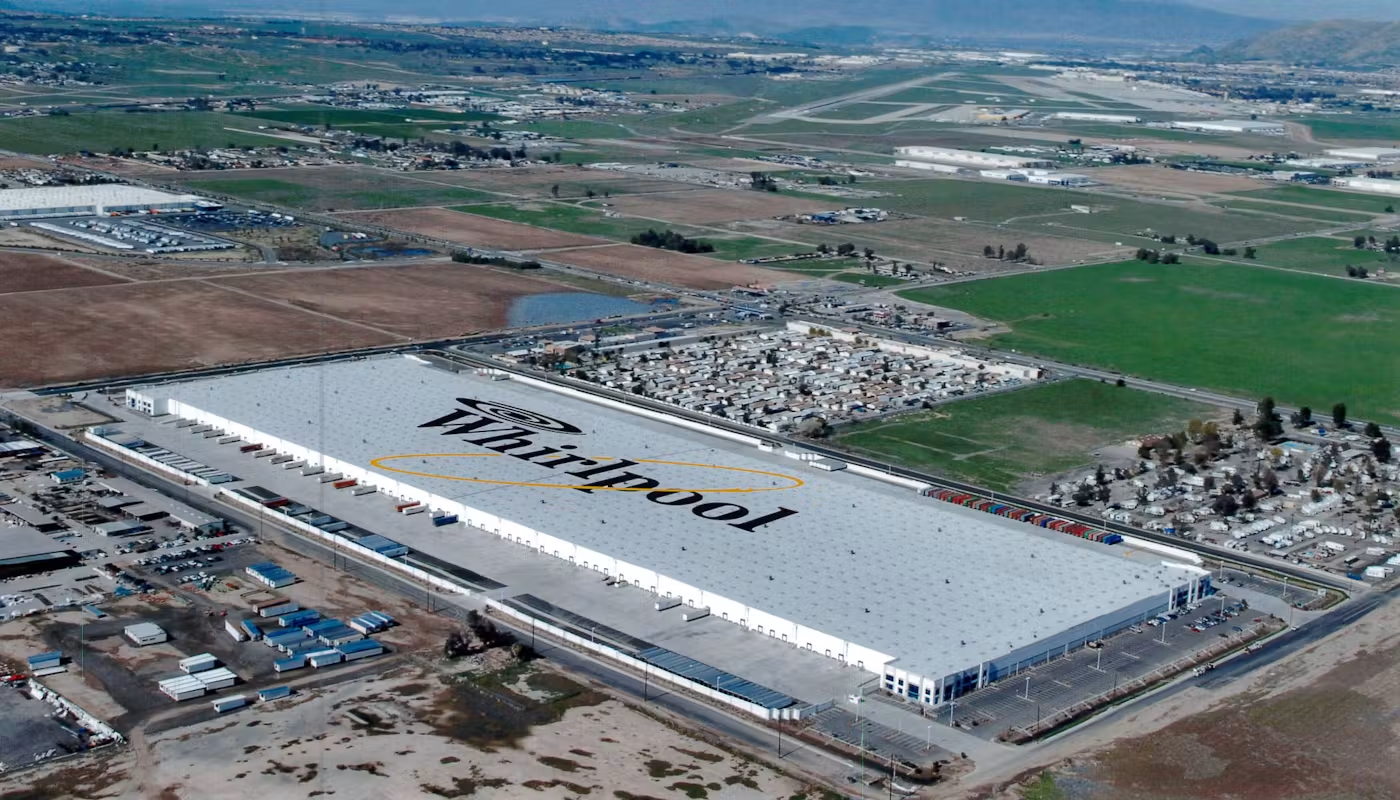
Distribution Center Roofing
Distribution Center Roofing starts with roof evidence around American Tobacco Campus roof access and tenant-hour limits. We make roof decisions readable for ownership groups that need budget clarity before authorizing field work.
Project Types
Roofing for the biotech, drug manufacturing, and research labs across the Research Triangle, where leak tolerance over the spaces below is effectively zero.
A leak here is not a repair ticket
Durham sits inside one of the densest concentrations of life-science real estate in the country. Research Triangle Park, the Patriot Center and Keystone Technology Park along I-40, the Alexandria-anchored campuses near Davis Drive, and the converted lab space in downtown Durham's American Tobacco district all house buildings where the roof protects something that cannot get wet: a validated cleanroom, a GMP fill line, a cold-storage vault of biologic material, or a bench of analytical instruments worth more than the building. On an ordinary commercial roof a slow leak is an inconvenience. Over a sensitive lab it can trigger a batch quarantine, a deviation report, an environmental excursion, and a remediation bill that dwarfs the cost of the roof. We plan every pharmaceutical and laboratory project around eliminating that risk rather than responding to it.
That standard runs through the whole job: redundant watertight detailing, daily dry-in that is non-negotiable, and a documentation trail that a quality auditor can read after the fact. There is no room for an open seam over a suite that runs around the clock.
Access and credentialing come before the roof
You cannot mobilize a crew onto a regulated life-science campus the way you can a warehouse. Buildings running active pharmaceutical manufacturing, controlled-substance work, or BSL-rated research carry FDA facility expectations, DEA security controls, and site-specific safety and clearance protocols that govern exactly who gets on the roof, when, and with what paperwork. A crew that arrives uncleared burns a mobilization day and can itself become a compliance finding. We start the credentialing, background-check, and escort coordination two to three weeks ahead of mobilization, so the full crew is cleared before the first day on site and every access restriction is written into the pre-construction plan.
The rooftop is a mechanical jungle
Lab and pharma roofs carry some of the densest rooftop mechanical loads of any building type. Air handlers maintaining ISO-classified cleanroom pressure, once-through laboratory exhaust, fume-hood and biosafety stacks with HEPA filtration, process chillers, and runs of building-automation conduit all pierce the membrane in tight clusters. Each penetration is its own engineered flashing detail, and each one gets individually documented. Critically, the cleanroom HVAC curbs are not just penetrations to flash around: any work near a supply or exhaust connection can disturb the pressure cascade between classified spaces. We coordinate that work with the facility's MEP and validation teams, schedule it into planned maintenance windows where we can, and confirm pressure-differential recovery before we close out a zone.
Exhaust chemistry attacks the membrane
Laboratory exhaust is not clean air. Solvent vapor, acid fumes, and process off-gas condense on stack housings and drip onto the membrane and metal nearby, producing localized chemical attack that standard roofing warranties specifically exclude. Before we specify any membrane in the fallout zone around an exhaust stack, we work with the facility MEP team to identify the actual exhaust stream and check it against the manufacturer's chemical-resistance schedule. For these buildings we lean toward 60-mil PVC, the most chemically durable single-ply available, with reinforced detailing in the zones surrounding solvent and acid exhaust. Standard TPO has no business sitting in a corrosive exhaust plume.
Vibration, vapor, and the assembly below
Vacuum pumps, compressors, and process equipment transmit vibration into the deck, so seam and flashing design has to account for fatigue, not just weather. High-humidity wash-down and autoclave areas drive interior vapor that, mismanaged, condenses inside the assembly and corrodes the deck out of sight. We position the vapor retarder for Durham's humid climate and the building's interior conditions, and on any recover we core the existing assembly first. A reroof that traps wet insulation over a critical suite has simply hidden the next failure.
Cold storage and the weather window
Many of these buildings hold biologic material, reagents, or clinical samples in cold rooms and ultra-low freezers where a temperature excursion is its own reportable event. A roof leak over a cold-storage vault threatens both the product and the refrigeration equipment, so we treat those zones with the same redundancy we give a cleanroom and confirm the assembly maintains thermal continuity rather than inviting condensation against a cold deck. Weather timing matters too. We will not open a roof section over a sensitive suite ahead of a forecast we cannot beat to dry-in, and on a region that swings from heavy summer thunderstorms to occasional winter ice, that means sizing each day's tear-off to the conditions and keeping temporary protection staged on the roof. Sequencing the work to the weather is part of protecting what sits below.
Documentation built for a regulated owner
For these owners the closeout package is part of the deliverable, not an afterthought. We assemble contractor qualification records, the site-specific safety plan, material submittals reviewed by the facility engineer, daily work reports, manufacturer installation documentation, FM Global or UL system listings where required, and registered NDL warranty paperwork, and we submit it through the facility's own quality-management workflow for review and approval. Whether the building is a single-tenant manufacturing plant or a multi-tenant research building with a dozen independent lab suites, the goal is a record that survives the next audit.
Pharmaceutical & Laboratory Roofing Questions
How do you handle FDA and DEA access requirements?
We initiate contractor credentialing, background-check coordination, and any DEA or facility security clearance during pre-construction, usually two to three weeks before mobilization, so the whole crew is cleared before the start date. Escort rules and access limits are documented in the pre-construction coordination plan.
What membrane works near corrosive lab exhaust?
We favor 60-mil PVC, the most chemical-resistant single-ply available, and around exhaust stacks we identify the actual vapor stream, confirm compatibility against the manufacturer's chemical-resistance guide, and reinforce the detailing in those zones. Standard TPO is not appropriate near solvent or acid exhaust.
How do you protect cleanroom pressure during roof work?
Penetration work near cleanroom HVAC supply or exhaust connections is scheduled with the facility MEP team, ideally inside planned maintenance windows. We verify pressure-differential recovery after the work and confirm no dust or debris entered the air paths above the classified envelope before closing the zone.
Do you work on biotech and university research buildings?
Yes. Multi-tenant research buildings add the complexity of independent lab-suite HVAC and biosafety stacks serving different programs. We coordinate with Environmental Health and Safety offices and biosafety committees the same way we coordinate with pharmaceutical facility teams.