
Movie Theater & Cinema Roofing in Durham, NC
We handle movie theater & cinema roofing by starting with the roof evidence owners can act on: photos, access limits, drainage notes, wet-area clues, and the operating constraints around American Tobacco Campus roof access and tenant-hour limits.
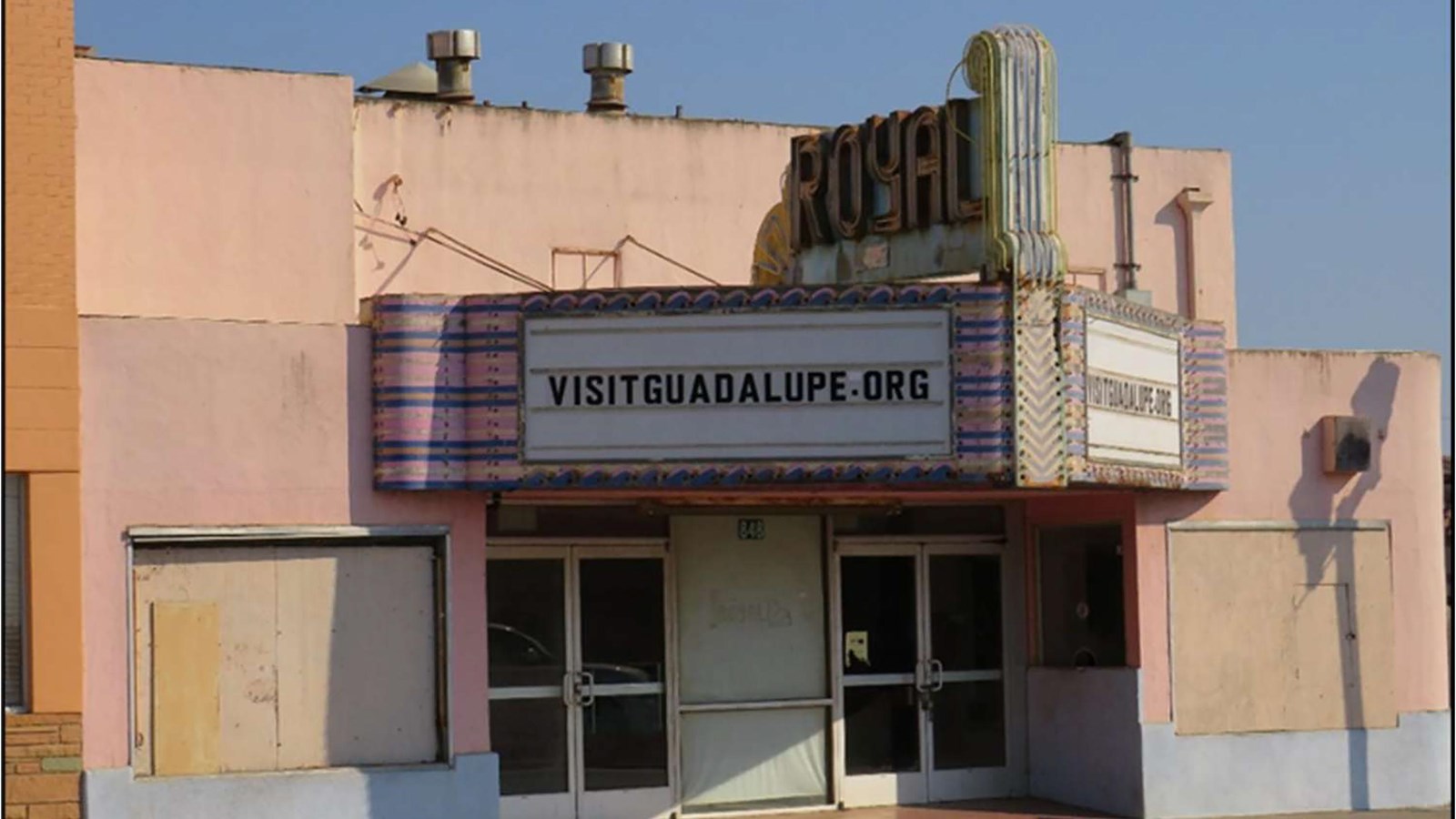
Fast answers still need roof evidence.
We make roof decisions readable for ownership groups that need budget clarity before authorizing field work. Around Duke Health and Duke University occupied-building constraints and Treyburn and Ellis Road industrial roof areas, the right scope often depends on timing as much as material choice.
Start ReviewWhat gets checked.
We plan around the building's occupancy, access limits, roof equipment, loading areas, and operating hours. The recommendation stays practical: what should be controlled now, what needs pricing, and what deserves a capital plan before the next weather window.
We look at membrane seams, roof drains, edge metal, penetrations, rooftop units, previous repairs, and safe access before pricing work.
What owners receive.
A written scope with photos, limits, schedule notes, and a practical recommendation for repair, recovery, coating, or replacement.
Contact UsRelated Roof Paths
Compare the next decision.
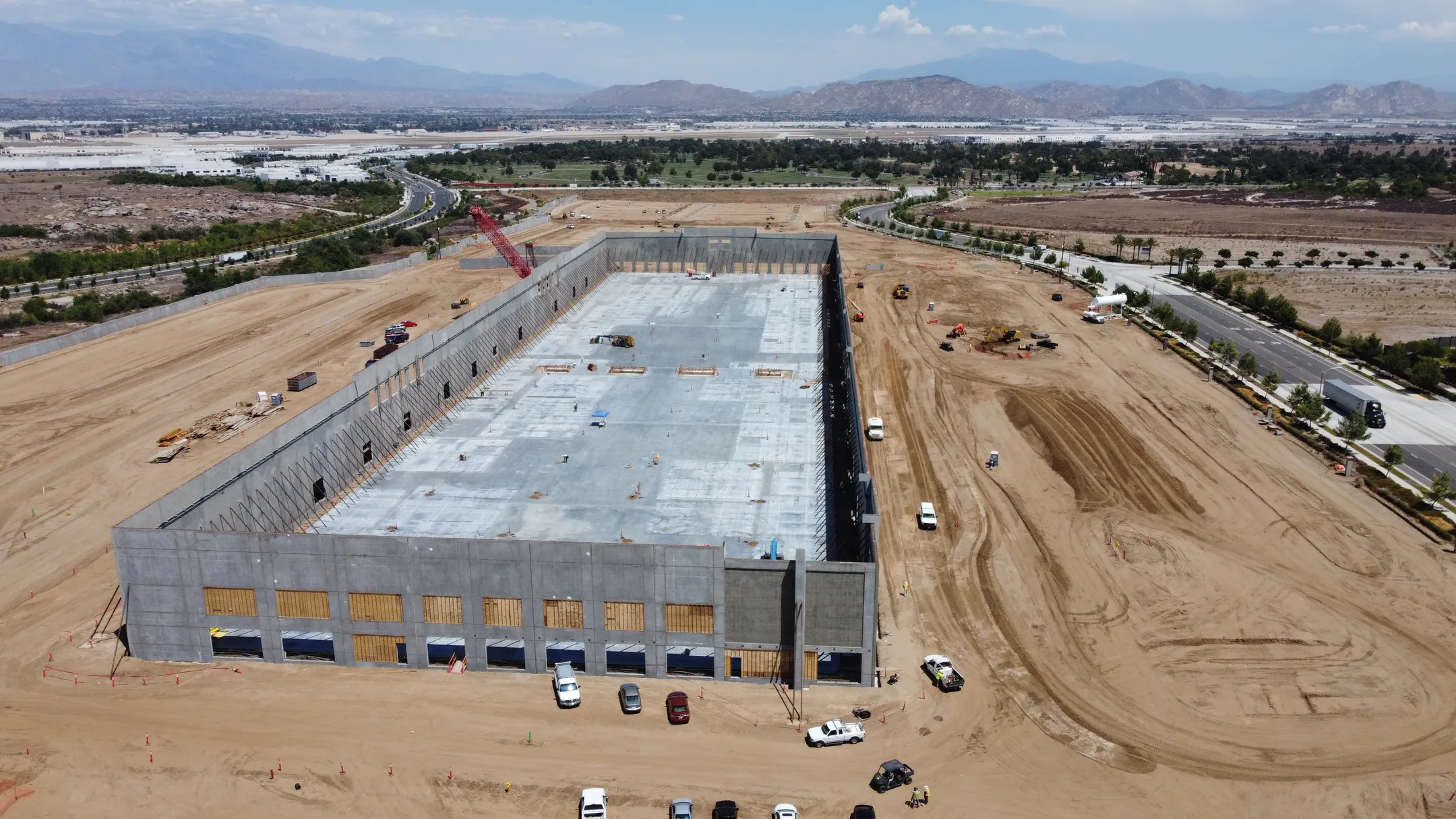
Warehouse Roofing
Warehouse Roofing starts with roof evidence around American Tobacco Campus roof access and tenant-hour limits. We make roof decisions readable for ownership groups that need budget clarity before authorizing field work.
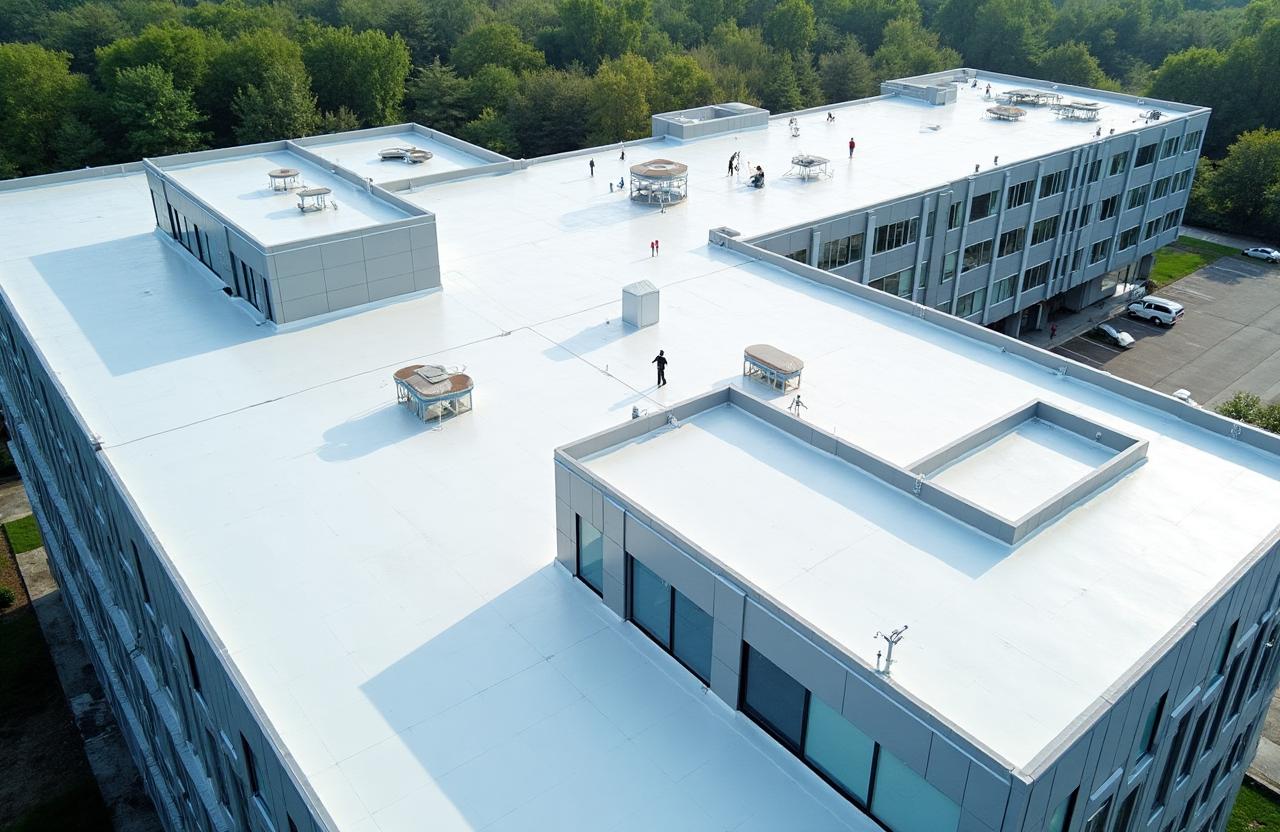
Office Complex Roofing
Office Complex Roofing starts with roof evidence around Golden Belt and Brightleaf adaptive-reuse roof details. We plan around the building's occupancy, access limits, roof equipment, loading areas, and operating hours.
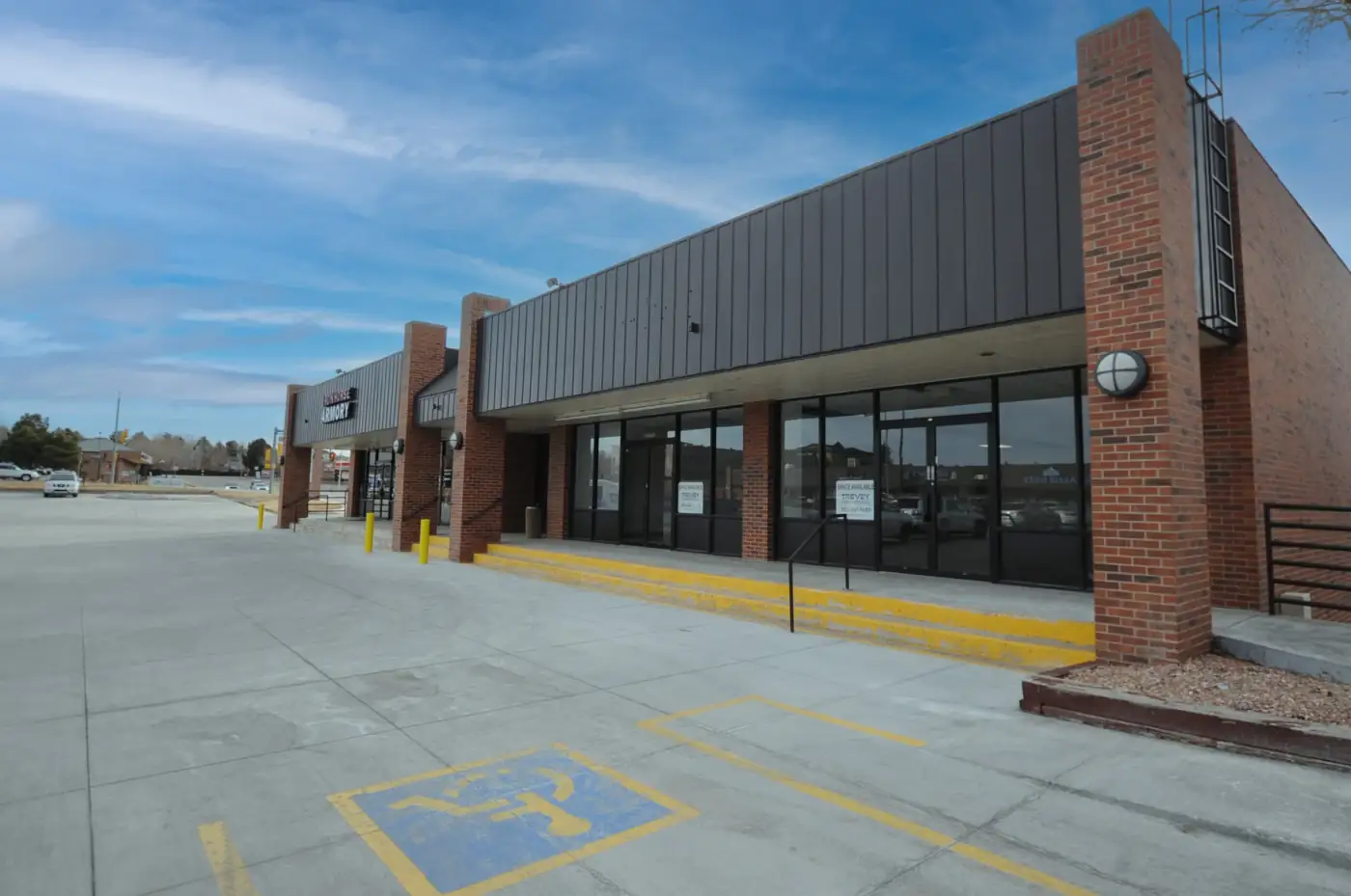
Big-Box Retail Roofing
Big-Box Retail Roofing starts with roof evidence around American Tobacco Campus roof access and tenant-hour limits. We plan around the building's occupancy, access limits, roof equipment, loading areas, and operating hours.
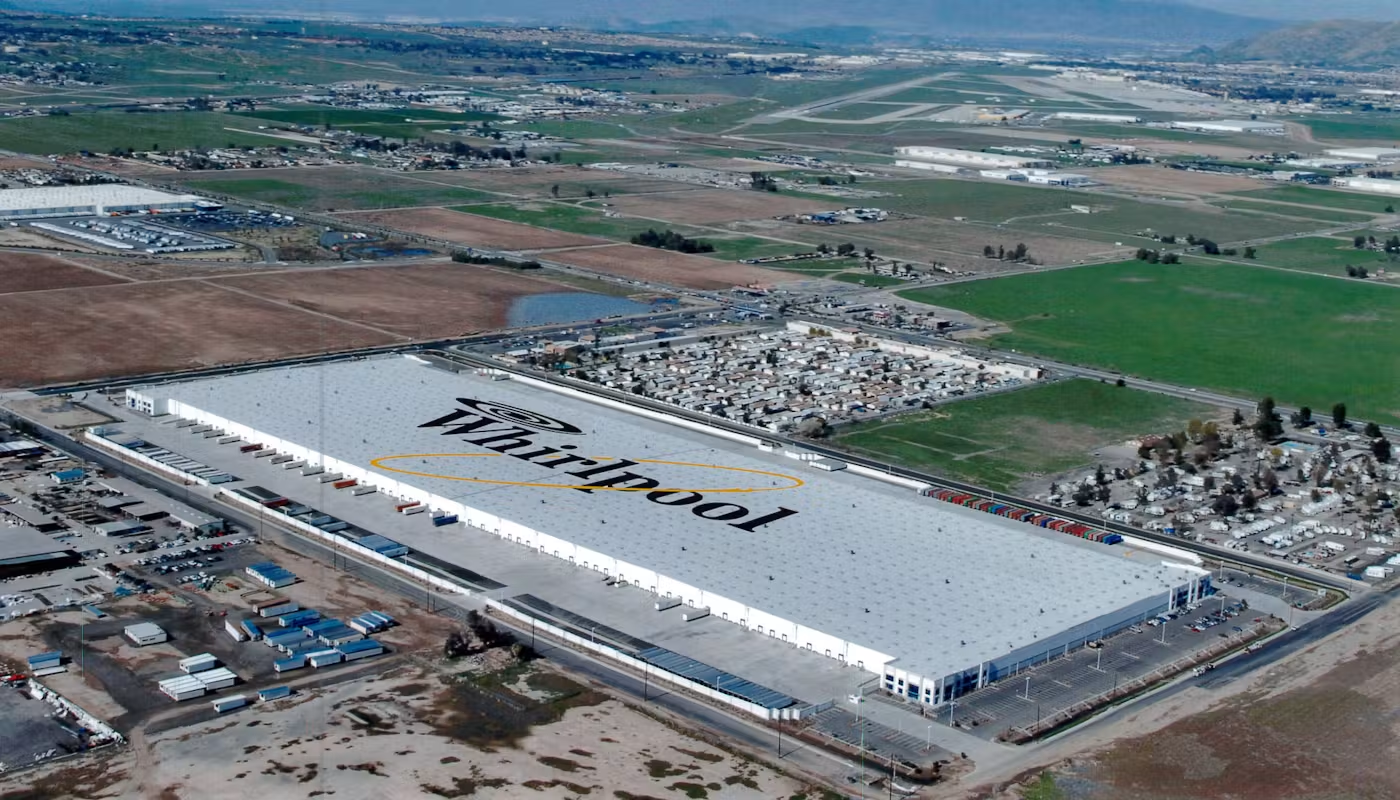
Distribution Center Roofing
Distribution Center Roofing starts with roof evidence around American Tobacco Campus roof access and tenant-hour limits. We make roof decisions readable for ownership groups that need budget clarity before authorizing field work.
Project Types
Roofing for Durham's multiplexes and independent cinemas - long clear-span decks, dense mechanical clusters, acoustic isolation, and reroofs timed around the show schedule.
The Auditorium Span Is the Whole Problem
A cinema roof is defined by what is missing underneath it: columns. Each auditorium is a large clear-span room, and a multiplex with eight to twelve screens stacks those spans side by side, each one running well over a hundred feet with nothing supporting the deck in the middle. That structure flexes and deflects under wind and snow load in ways a column-gridded retail or office roof simply does not, and a fastening pattern copied off a strip-center spec will tear at the seams over a span like that. We specify attachment density and insulation fastening off the actual deck type and span on the building in front of us, not off a template.
Durham's cinema stock runs from the large stadium-seating multiplexes near The Streets at Southpoint and along the 15-501 retail belt to independent and art houses downtown - the Carolina Theatre on Morgan Street has anchored that scene for decades, and the redeveloped American Tobacco and downtown entertainment districts keep drawing first-run and specialty screens. A modern stadium multiplex and a 1920s downtown movie palace are completely different roofing problems, and we scope them as such.
A Mechanical Cluster That Rivals a Hospital
Rooftop equipment on a theater is heavy and concentrated. Each auditorium typically carries its own dedicated rooftop unit so a sold-out screen full of bodies stays comfortable while the screen next door sits empty. Layer on concession exhaust, kitchen make-up air for the expanded food-and-bar service many theaters now run, condenser units for walk-in coolers, and lobby heating vents, and the penetration cluster over a typical multiplex starts to look like what you would find on a hospital or a data center. Every curb, duct, and conduit run gets individually flashed and documented before any new membrane covers it.
Acoustics Belong in the Roof Spec
A cinema sells silence as much as it sells the picture. Rain drumming on a poorly built roof, or sound bleeding between adjacent auditoriums through the deck, is a real complaint on theater buildings. The roof assembly contributes to that acoustic performance - through the deck and insulation buildup and through how rooftop units are isolated from the structure. We keep mechanical curbs properly isolated and we don't strip out mass from the assembly that is doing acoustic work, because an auditorium that suddenly transmits the action sequence from the screen next door is a problem the operator will trace straight back to the reroof.
Decks, Cores, and Choosing Recover vs. Replace
Cinemas are usually built on steel deck over structural steel, or concrete deck on steel framing. Steel deck takes mechanical attachment directly, while concrete deck pushes us toward adhered or, where structure allows, ballasted assemblies. Before recommending anything we pull a core sample to confirm the existing insulation layers, check moisture content, and weigh the total assembly already in place. That tells us whether a recover is sound or whether decades of trapped moisture mean a full tear-off is the only honest answer. Where deck deflection across the big spans is a concern, we may move to an adhered or hybrid system to avoid concentrating point loads at fastener rows along the seams.
For the field membrane on most Durham multiplex reroofs we specify 60-mil or 80-mil TPO over tapered polyiso. The tapered insulation corrects the drainage that has flattened out over decades on these large flat decks, and white TPO meets the cool-roof energy provisions that local permitting now applies to commercial reroofs. Around the dense equipment clusters we add reinforced walkway pads so the service crews who live on these roofs aren't grinding the membrane down at every unit.
Working Around the Show Schedule
Theaters run from early afternoon well past midnight, seven days a week, which puts them in the same scheduling category as any other building that never really closes. Loading-dock access for HVAC vendors, marquee and sign conduit, and evening foot traffic at the entrances all factor into how we sequence the work. We coordinate with the operator before mobilizing so tear-off and dry-in are timed to keep each roof section watertight before the evening shows start, and any HVAC shutdown needed for curb or flashing work happens in an agreed window rather than during a packed Friday night.
The Marquee and Entry Canopy
The entrance is where the chronic leaks hide. Marquee supports, sign conduit, and entry canopy-to-building transitions all penetrate or abut the roof, and on older theaters these connections move with thermal cycling and quietly leak for years. We treat each of these as its own flashing item in the scope and re-flash the canopy-to-wall transitions on every cinema project, rather than assuming a new field membrane will somehow fix a detail it never touched.
Movie Theater Roofing Questions
60-mil or 80-mil TPO mechanically attached over tapered polyiso is the most common multiplex specification in Durham. The tapered insulation corrects drainage that has flattened over decades on large flat decks, and white TPO meets the cool-roof energy provisions local permitting now applies. We add reinforced walkway pads around the dense rooftop equipment to protect the membrane from service traffic.
Large-span steel deck requires fastener patterns and pull-out values matched to the deck rib depth and gauge - older short-rib deck has lower pull-out than modern three-inch rib deck, so we verify the deck before specifying attachment. Where deflection across the span is a concern, we may specify an adhered or hybrid system to avoid concentrating point loads at fastener rows along the seams.
Yes. The deck and insulation buildup and the isolation of rooftop units all contribute to how much rain noise and cross-auditorium sound the audience hears. We keep mechanical curbs properly isolated from the structure and avoid stripping acoustic mass out of the assembly during a reroof, so the building stays as quiet after the work as before it.
Yes. The work is planned around the screening schedule and evening operations. We sequence tear-off and dry-in so each roof section is watertight before evening shows begin, and we coordinate any HVAC shutdown needed for curb or penetration work into an agreed window.
Yes. Marquee supports, sign conduit, and entry canopy-to-building transitions are treated as individual flashing items. These connections move with thermal cycling and are the most common chronic leak source on older theaters, so we evaluate and re-flash them on every cinema project rather than assuming a new field membrane covers them.
Commercial Roofing of Durham
Movie Theater Roofing Questions
What membrane system do you typically specify for a multiplex roof?
60-mil or 80-mil TPO mechanically attached over tapered polyiso is the most common multiplex specification in Durham. The tapered insulation corrects drainage that has flattened over decades on large flat decks, and white TPO meets the cool-roof energy provisions local permitting now applies. We add reinforced walkway pads around the dense rooftop equipment to protect the membrane from service traffic.
How do you handle the large clear-span auditorium decks?
Large-span steel deck requires fastener patterns and pull-out values matched to the deck rib depth and gauge - older short-rib deck has lower pull-out than modern three-inch rib deck, so we verify the deck before specifying attachment. Where deflection across the span is a concern, we may specify an adhered or hybrid system to avoid concentrating point loads at fastener rows along the seams.
Does the roof affect acoustics inside the auditoriums?
Yes. The deck and insulation buildup and the isolation of rooftop units all contribute to how much rain noise and cross-auditorium sound the audience hears. We keep mechanical curbs properly isolated from the structure and avoid stripping acoustic mass out of the assembly during a reroof, so the building stays as quiet after the work as before it.
Can roofing be done without disrupting cinema operations?
Yes. The work is planned around the screening schedule and evening operations. We sequence tear-off and dry-in so each roof section is watertight before evening shows begin, and we coordinate any HVAC shutdown needed for curb or penetration work into an agreed window.
Do you handle the marquee and entry canopy connections?
Yes. Marquee supports, sign conduit, and entry canopy-to-building transitions are treated as individual flashing items. These connections move with thermal cycling and are the most common chronic leak source on older theaters, so we evaluate and re-flash them on every cinema project rather than assuming a new field membrane covers them.