Mixed-Use Development Roofing in Durham, NC
We handle mixed-use development roofing by starting with the roof evidence owners can act on: photos, access limits, drainage notes, wet-area clues, and the operating constraints around humid Piedmont summers and quick freeze-thaw swings.
Fast answers still need roof evidence.
We match the roof recommendation to the way the property earns, serves tenants, and protects interior operations. Around NC-147 and I-40 service-window planning and Downtown Durham storm-drain and rooftop-equipment density, the right scope often depends on timing as much as material choice.
Start ReviewWhat gets checked.
We make roof decisions readable for ownership groups that need budget clarity before authorizing field work. The recommendation stays practical: what should be controlled now, what needs pricing, and what deserves a capital plan before the next weather window.
We look at membrane seams, roof drains, edge metal, penetrations, rooftop units, previous repairs, and safe access before pricing work.
What owners receive.
A written scope with photos, limits, schedule notes, and a practical recommendation for repair, recovery, coating, or replacement.
Contact UsRelated Roof Paths
Compare the next decision.
Warehouse Roofing
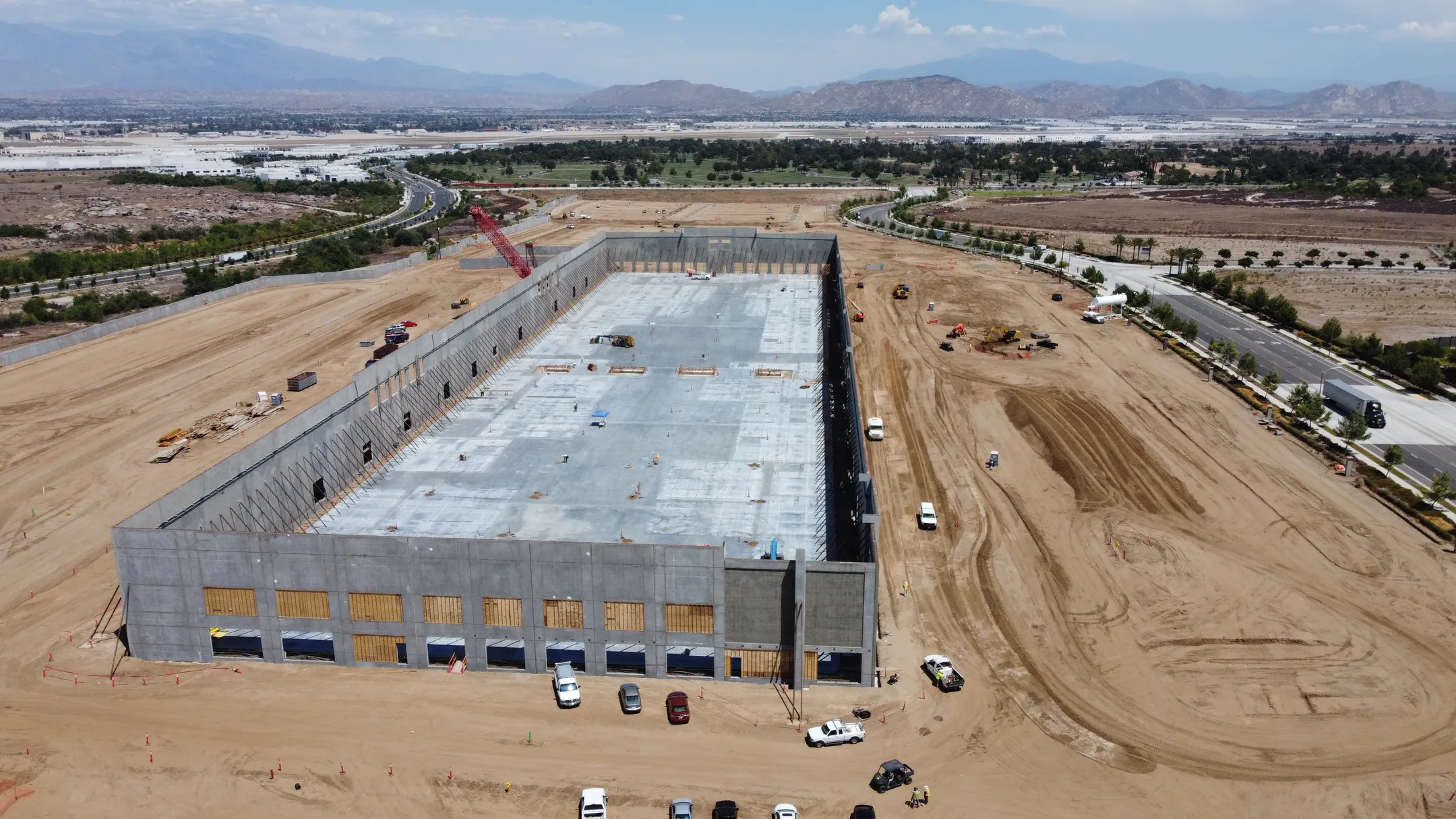
Warehouse Roofing starts with roof evidence around American Tobacco Campus roof access and tenant-hour limits. We make roof decisions readable for ownership groups that need budget clarity before authorizing field work.
Office Complex Roofing
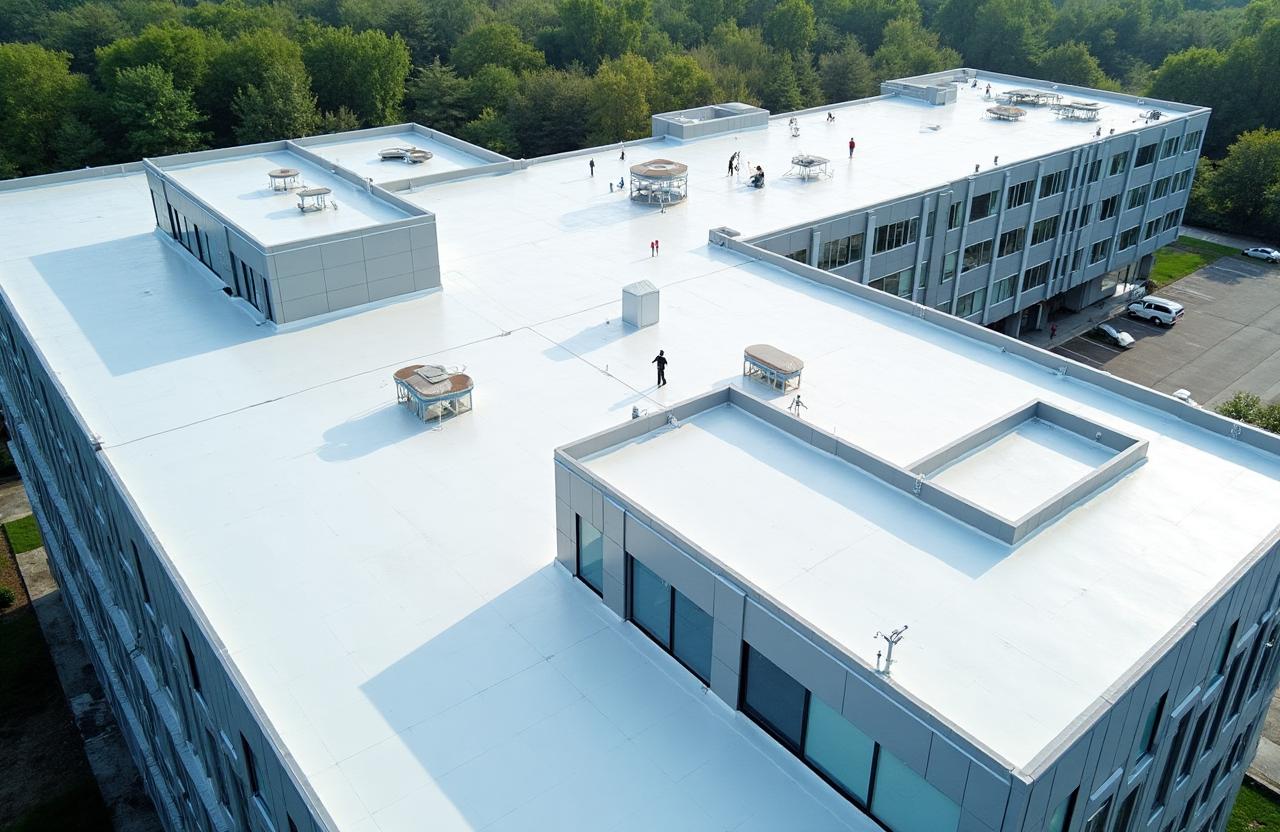
Office Complex Roofing starts with roof evidence around Golden Belt and Brightleaf adaptive-reuse roof details. We plan around the building's occupancy, access limits, roof equipment, loading areas, and operating hours.
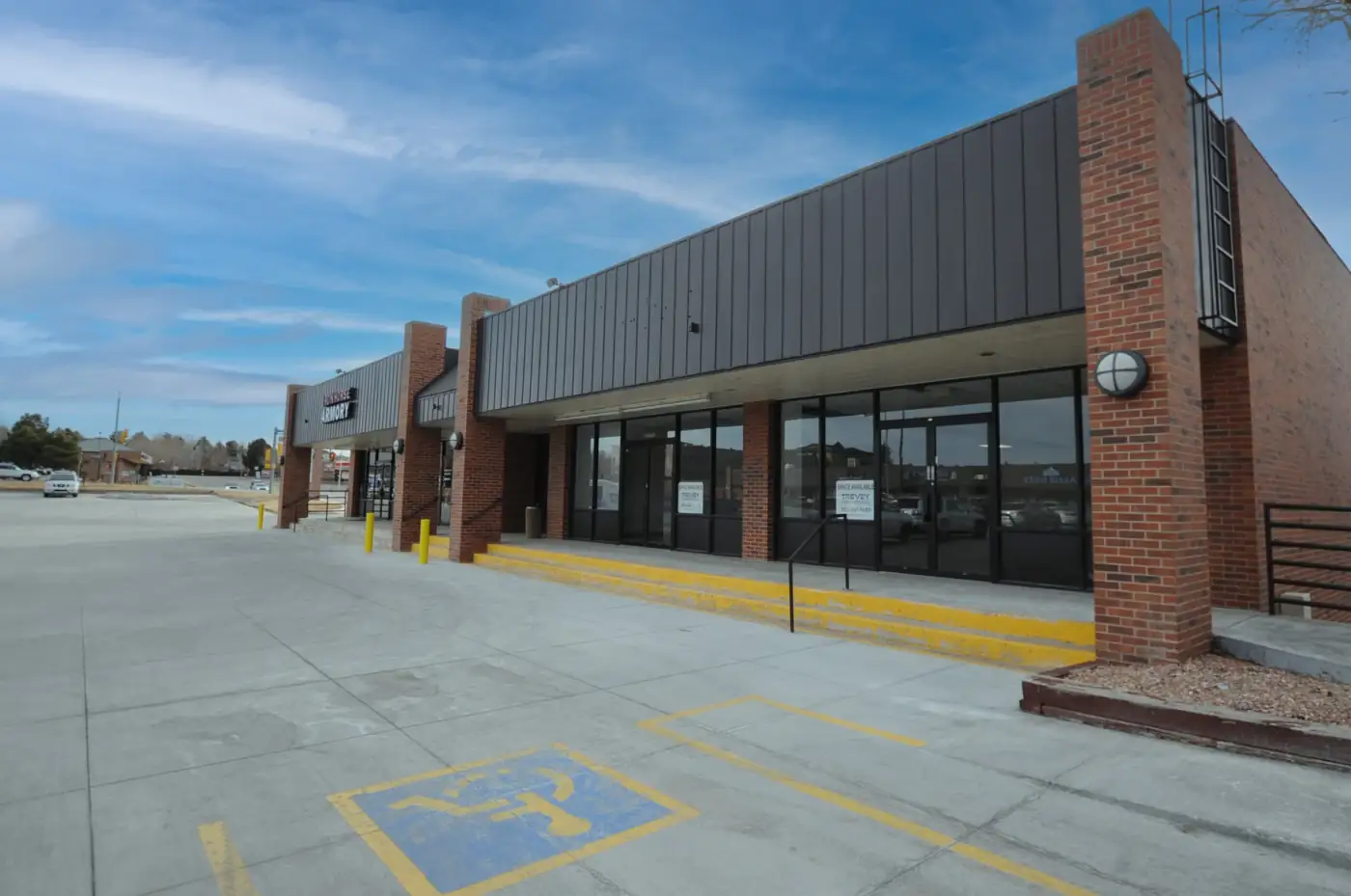
Big-Box Retail Roofing
Big-Box Retail Roofing starts with roof evidence around American Tobacco Campus roof access and tenant-hour limits. We plan around the building's occupancy, access limits, roof equipment, loading areas, and operating hours.
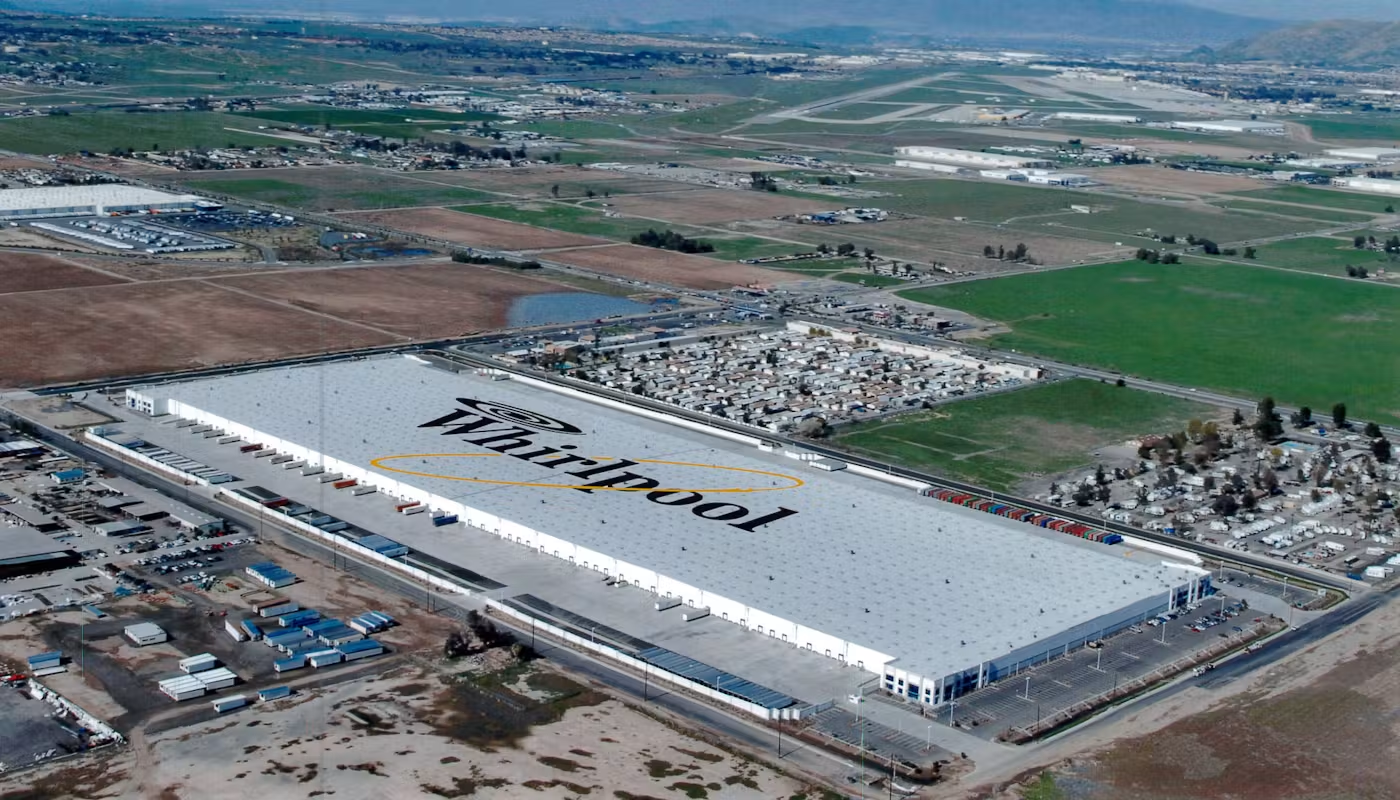
Distribution Center Roofing
Distribution Center Roofing starts with roof evidence around American Tobacco Campus roof access and tenant-hour limits. We make roof decisions readable for ownership groups that need budget clarity before authorizing field work.
Project Types
Roofing and waterproofing for Durham's mixed-use buildings - coordinating retail, residential, office, and parking roof areas, podium decks, and stacked warranties under one scope.
One Building, Several Roofs Stacked Together
A mixed-use building is not one roof. It is a retail-and-parking base, residential or office floors above, sometimes a landscaped plaza in between, and a high roof with a mechanical penthouse on top - and each of those is a different waterproofing problem with a different warranty, a different occupancy below it, and a different consequence when it leaks. Treating the whole thing as a single flat plane is how these projects go wrong. We map the building vertically first, figure out how the uses interact, and scope each surface for what is actually under it.
Durham has built a lot of this product in the last decade. The redevelopment around downtown - American Tobacco, the West Village apartments in the old tobacco warehouses, the towers going up near Five Points and the Durham Innovation District - pairs ground-floor retail and restaurants with apartments and offices above. The transit-oriented and adaptive-reuse projects tied to Durham's growing downtown core keep this category busy, and the demand drivers here are real: Duke, the Research Triangle Park workforce wanting to live close in, and a downtown that has turned old industrial blocks into residential density.
The Podium Deck Is Not a Roof
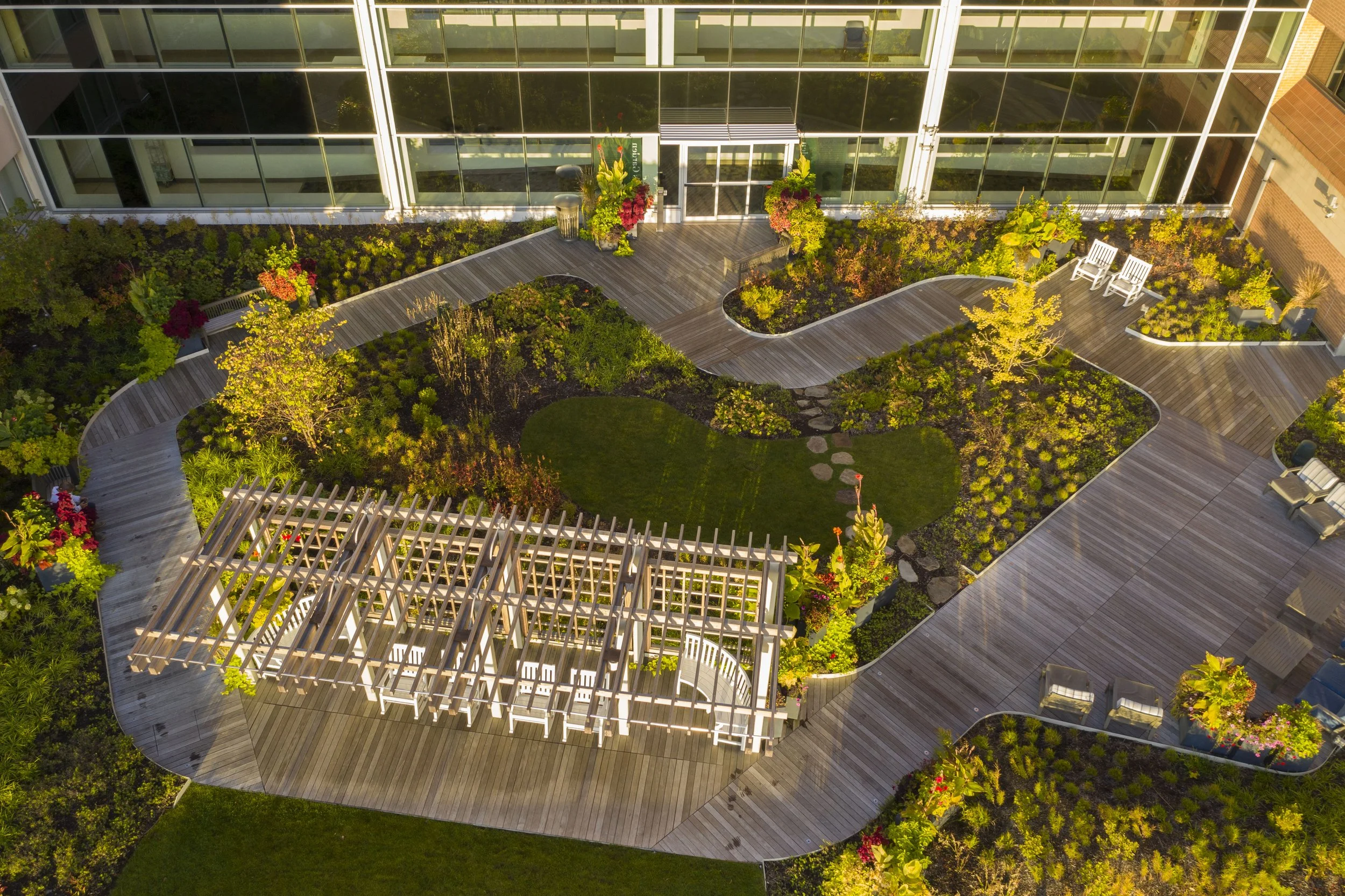
The most misunderstood surface on these buildings is the podium - the deck that separates retail or structured parking below from the residential or office levels above, often finished as a courtyard or plaza. A standard roofing membrane does not belong there. Podium waterproofing has to take structural deflection, constant hydrostatic pressure under planters, root intrusion from landscaping, and pedestrian or even vehicle traffic loads depending on how the deck is used. That means a traffic-bearing waterproofing assembly with drainage composite, root barrier, and protection course - coordinated with the structural engineer on the load path. Specifying a normal roof membrane on a plaza deck is simply the wrong product, and it usually fails within a few years and floods the retail or parking below.
The High Roof and the Amenity Deck
Up top, the residential or office roof brings its own list: parapet drainage detailed for an urban building with no overhangs, flash-through details at the mechanical penthouse and elevator overrun, and waterproofing under any rooftop amenity deck. Rooftop amenity decks have become standard on Durham's mid- and high-rise residential projects, and like the podium they need a traffic-bearing assembly under the finish surface rather than a plain membrane. We install and warranty those assemblies in coordination with the deck-finish contractor and the structural engineer of record, so the warranty actually covers the deck as built rather than excluding the part everyone walks on.
Stacked Warranties and Who Owns the Leak
Because a mixed-use building combines several roof and deck systems, it ends up with several warranties - and the seams between them are where disputes start. A leak that shows up in a ground-floor retail ceiling might originate at the podium, at a planter penetration, or at the wall-to-deck transition, and if three different trades installed those three things, fingers point in three directions. We coordinate the warranty boundaries up front so each assembly and each transition has a clear responsible system, and the closeout documents say plainly where one warranty ends and the next begins. That is what protects the owner and the lender when something does eventually move.
Building Around People Who Live and Shop There
These projects are almost always occupied. Residents are home at night, retail is open during the day, and the parking deck has to keep functioning throughout. Durham's downtown noise provisions limit working hours, ground-floor retail constrains staging and access, and work happening over occupied public space carries its own overhead protection and safety requirements. We build a phasing and sequencing plan before mobilizing - noise, vibration, and dust containment, elevator and common-area access coordinated with building management, and written confirmation of daily dry-in. Crews do not leave a section open overnight over occupied units; if it is not watertight, the day is not done.
Working Inside the Project Team
On new construction and major renovations, roofing is one trade inside a larger team. We coordinate with the general contractor, the MEP subcontractors, the structural engineer, and the building-envelope consultant, and we work inside the submittal and quality-control framework those projects run on - architect-reviewed submittals, manufacturer technical approval of the specified systems, waterproofing mock-ups and testing before full installation, manufacturer rep inspections at the critical phases, and no-dollar-limit warranty registration at closeout. For developers and construction lenders, that framework is the whole point, and we operate inside it from pre-construction through final inspection.
Mixed-Use Development Roofing Questions
Standard roofing membranes are built for low-slope drainage and occasional maintenance traffic. Podium waterproofing must handle structural deflection, constant hydrostatic pressure under planters, root intrusion from landscaping, and pedestrian or vehicle loads. Using a standard roof membrane on a plaza or amenity deck is the wrong specification and typically fails within a few years, flooding the retail or parking below.
We build a detailed phasing plan that sequences work to limit impact on residents and retail operations, with noise, vibration, and dust containment defined before mobilization. Elevator and common-area access is coordinated with building management, and daily dry-in is confirmed in writing - we do not leave a section open overnight over occupied space.
Yes. Rooftop amenity decks, common on Durham's mid- and high-rise mixed-use projects, need a traffic-bearing waterproofing assembly under the finish surface rather than a standard membrane. We install and warranty those assemblies in coordination with the deck-finish contractor and the structural engineer of record.
A mixed-use building combines several roof and deck systems, so it carries several warranties, and the transitions between them are where disputes start. We coordinate the warranty boundaries up front so each assembly and each transition has a clearly responsible system, and the closeout documents state where one warranty ends and the next begins.
Mixed-use lenders and developers typically require architect-reviewed submittals, manufacturer technical approval of the specified systems, mock-up testing before full installation, quality-control inspection reports, manufacturer rep inspections at critical phases, and no-dollar-limit warranty registration at closeout. We work inside that submittal and QC framework from pre-construction through final inspection.
Commercial Roofing of Durham
Mixed-Use Development Roofing Questions
What's the difference between roofing and waterproofing on a podium deck?
Standard roofing membranes are built for low-slope drainage and occasional maintenance traffic. Podium waterproofing must handle structural deflection, constant hydrostatic pressure under planters, root intrusion from landscaping, and pedestrian or vehicle loads. Using a standard roof membrane on a plaza or amenity deck is the wrong specification and typically fails within a few years, flooding the retail or parking below.
How do you coordinate work with occupied residential and retail uses below?
We build a detailed phasing plan that sequences work to limit impact on residents and retail operations, with noise, vibration, and dust containment defined before mobilization. Elevator and common-area access is coordinated with building management, and daily dry-in is confirmed in writing - we do not leave a section open overnight over occupied space.
Do you handle rooftop amenity decks?
Yes. Rooftop amenity decks, common on Durham's mid- and high-rise mixed-use projects, need a traffic-bearing waterproofing assembly under the finish surface rather than a standard membrane. We install and warranty those assemblies in coordination with the deck-finish contractor and the structural engineer of record.
How are the multiple warranties on a mixed-use building handled?
A mixed-use building combines several roof and deck systems, so it carries several warranties, and the transitions between them are where disputes start. We coordinate the warranty boundaries up front so each assembly and each transition has a clearly responsible system, and the closeout documents state where one warranty ends and the next begins.
What documentation do developers and lenders require?
Mixed-use lenders and developers typically require architect-reviewed submittals, manufacturer technical approval of the specified systems, mock-up testing before full installation, quality-control inspection reports, manufacturer rep inspections at critical phases, and no-dollar-limit warranty registration at closeout. We work inside that submittal and QC framework from pre-construction through final inspection.