
Funeral Home & Mortuary Roofing in Durham, NC
We handle funeral home & mortuary roofing by starting with the roof evidence owners can act on: photos, access limits, drainage notes, wet-area clues, and the operating constraints around humid Piedmont summers and quick freeze-thaw swings.
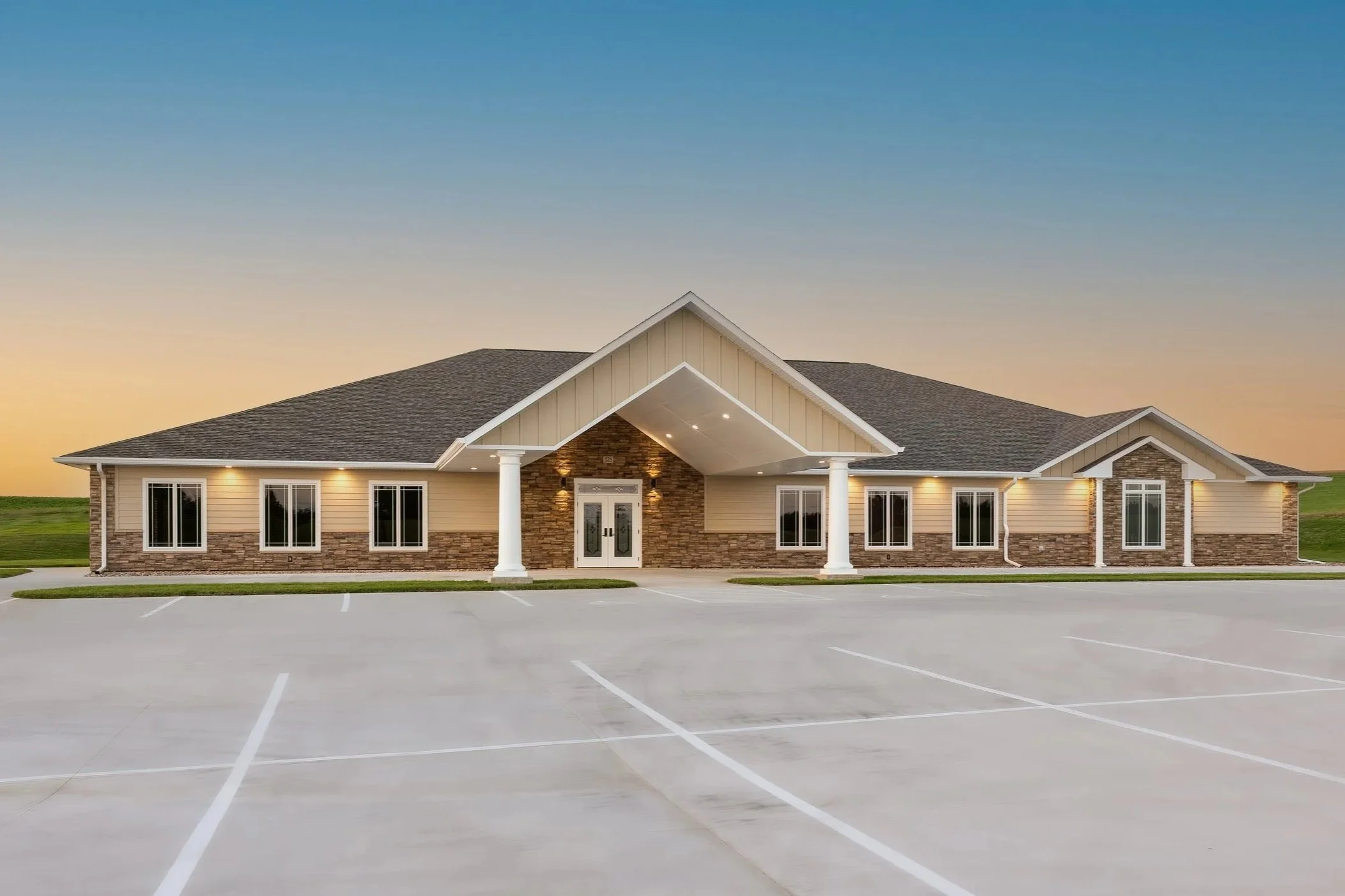
Fast answers still need roof evidence.
We plan around the building's occupancy, access limits, roof equipment, loading areas, and operating hours. Around NC-147 and I-40 service-window planning and Downtown Durham storm-drain and rooftop-equipment density, the right scope often depends on timing as much as material choice.
Start ReviewWhat gets checked.
We match the roof recommendation to the way the property earns, serves tenants, and protects interior operations. The recommendation stays practical: what should be controlled now, what needs pricing, and what deserves a capital plan before the next weather window.
We look at membrane seams, roof drains, edge metal, penetrations, rooftop units, previous repairs, and safe access before pricing work.
What owners receive.
A written scope with photos, limits, schedule notes, and a practical recommendation for repair, recovery, coating, or replacement.
Contact UsRelated Roof Paths
Compare the next decision.
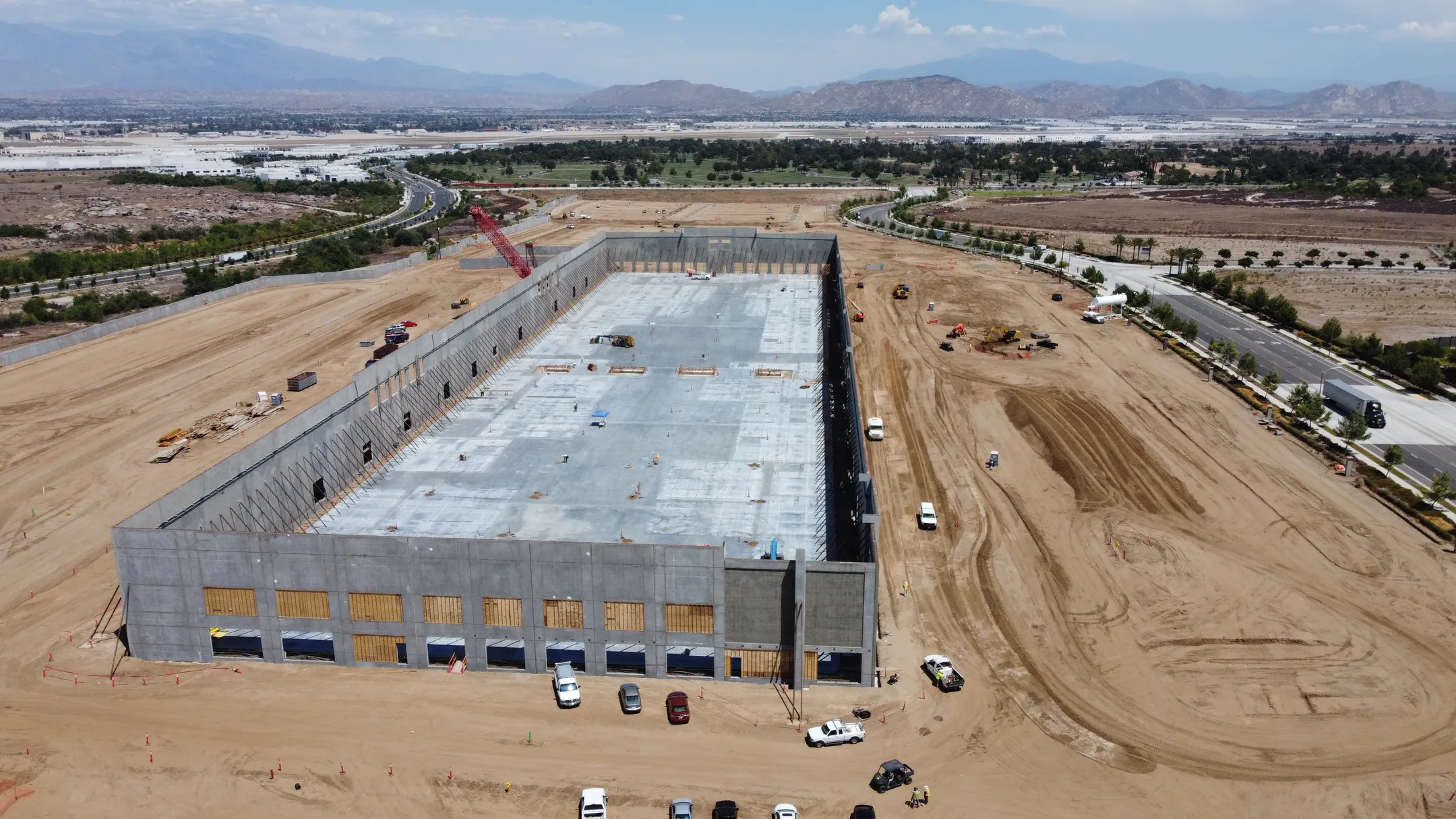
Warehouse Roofing
Warehouse Roofing starts with roof evidence around American Tobacco Campus roof access and tenant-hour limits. We make roof decisions readable for ownership groups that need budget clarity before authorizing field work.
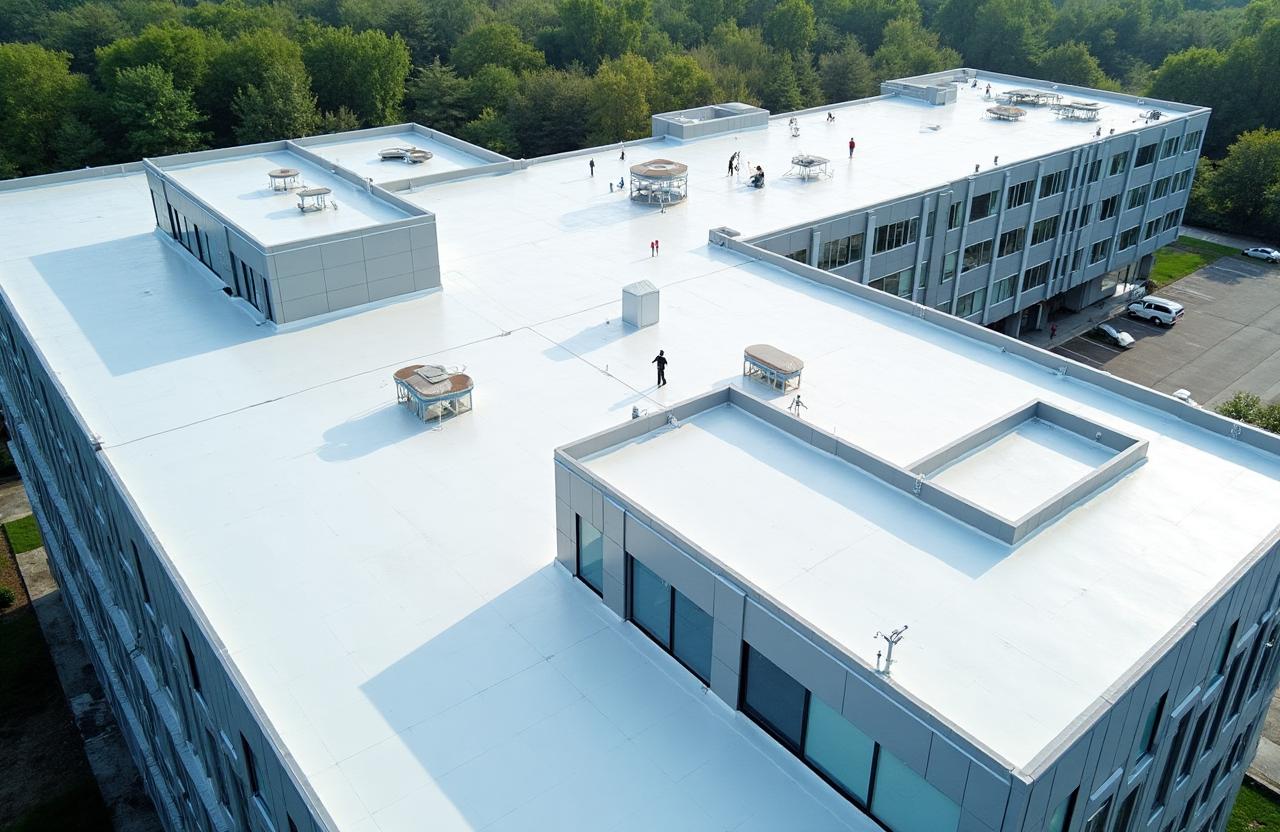
Office Complex Roofing
Office Complex Roofing starts with roof evidence around Golden Belt and Brightleaf adaptive-reuse roof details. We plan around the building's occupancy, access limits, roof equipment, loading areas, and operating hours.
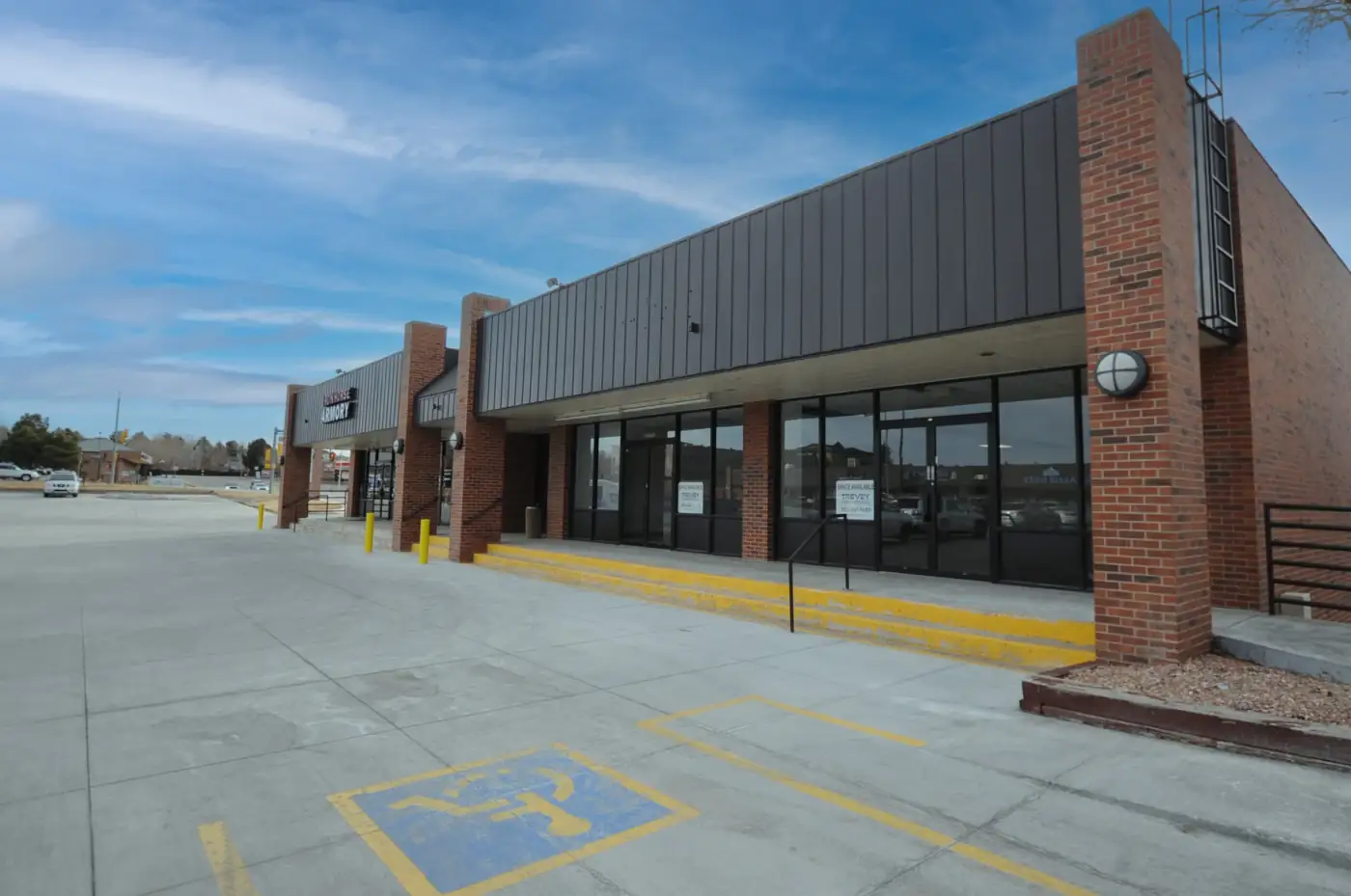
Big-Box Retail Roofing
Big-Box Retail Roofing starts with roof evidence around American Tobacco Campus roof access and tenant-hour limits. We plan around the building's occupancy, access limits, roof equipment, loading areas, and operating hours.
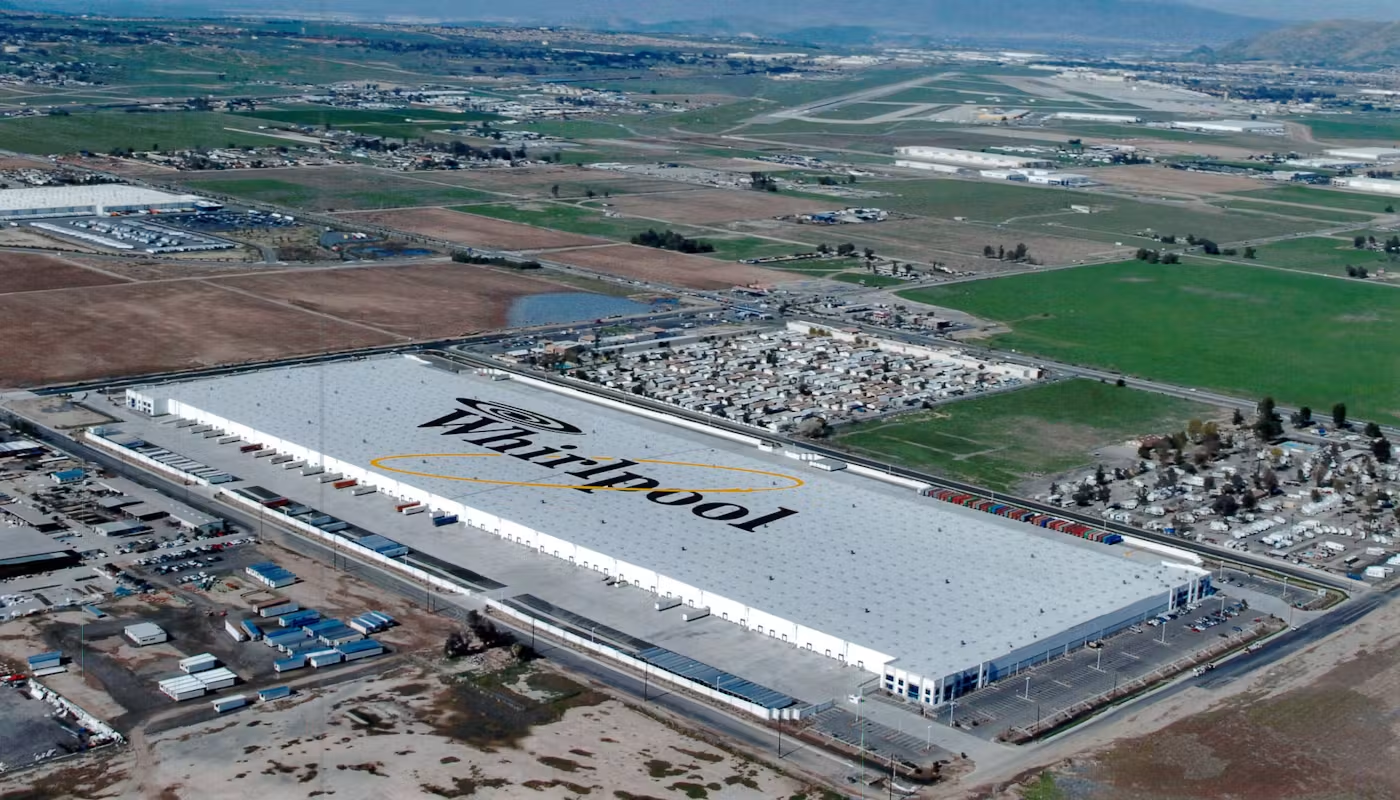
Distribution Center Roofing
Distribution Center Roofing starts with roof evidence around American Tobacco Campus roof access and tenant-hour limits. We make roof decisions readable for ownership groups that need budget clarity before authorizing field work.
Project Types
Roofing for Durham's funeral homes and mortuaries, carried out quietly around services, with a finished look that fits the building and an exhaust system that never stops.
A building that is never really empty
A funeral home is one of the few commercial buildings where how the work feels matters as much as how it performs. Families arrive grieving, often with little notice, and the last thing they should encounter is a noisy, cluttered job site over the chapel. Durham's funeral homes reflect the city's history: long-established family firms anchored in neighborhoods near downtown and the Hayti and Fayetteville Street communities, chapels along the older Roxboro and Guess Road corridors, and regional-chain locations serving the growing south Durham and Southpoint-area population. Across all of them, the building is rarely vacant. Visitations run into the evening seven days a week, services can be scheduled on a day's notice, and the preparation rooms operate on the timing of death calls, not on a contractor's convenience. We bring the same occupied-building discipline here that we use on hospitals and senior living.
Two things define this work in practice: it has to be quiet and respectful, and it has to leave the building looking right. A reroof that performs perfectly but leaves the home looking like a construction site has failed the people who run it.
The preparation-room exhaust cannot go offline
The embalming and preparation area sets a hard constraint. These rooms run under strong negative pressure to contain formaldehyde and other chemical vapors, and the rooftop exhaust that pulls that air has to keep running continuously to stay within OSHA requirements. That exhaust stack is not something we cap for convenience. We locate it before mobilization, plan the flashing around it as its own scope item with the funeral director's sign-off, and confirm the exhaust keeps running during any work within about ten feet of it. The stack is never blocked, capped, or taken offline to make the roofing easier.
Clear-span chapels and older decks
Chapel and visitation rooms are often clear-span spaces, frequently forty to sixty feet without an interior column, much like a small church sanctuary, and that span generates wind-uplift loads that drive a specific fastening pattern and membrane spec. We evaluate the deck type, the span, and the existing attachment before specifying a reroof, and we use pull-out testing or structural documentation to confirm the design on long-span steel or wood decks. Many of Durham's older funeral homes sit on built-up roofs over wood or concrete decks, where a serviceable-looking surface can hide saturated insulation underneath. We core and run a moisture survey before any recover decision, because roofing over wet insulation simply locks the problem in.
A finished look that fits the building
Appearance is part of the job here in a way it is not on a warehouse. Where roof areas are visible from the street, the driveway, or the visitation parking, we treat the finished edges, the metal, and the transitions as a presentation surface, not just a weather seal. Clean coping lines, tidy edge metal, and properly detailed transitions matter to a family-facing building. For low-slope sections we typically specify 60-mil TPO mechanically attached over tapered polyiso, with the taper correcting the drainage deficiencies and ponding that are common and damaging on older under-drained roofs. On wood-decked chapels we confirm load capacity before setting insulation thickness.
Porte-cocheres and covered entries
Most funeral homes have a porte-cochere or covered entry where families are received, and those canopies are a frequent source of chronic leaks. The canopy-to-building transition flashing and the canopy drainage tie-ins age differently than the main roof and are a recurring trouble spot on older facilities, so we inspect and price them as discrete items rather than folding them vaguely into the larger scope.
Steep slate and tile on the older homes
A good number of Durham's established funeral homes occupy older residential-style or institutional buildings with steep-slope roofs in slate, dimensional shingle, or tile, sometimes alongside a flat rear addition that houses the preparation and office space. Those two roof types fail differently and get repaired differently. On a steep slate or tile section we match the existing profile and color as closely as the material allows so a repair does not read as a patch from the street, and we flash the valleys, chimneys, and dormers that drive most of the leaks on these older roofs. Where a steep front roof meets a low-slope rear addition, that transition is a recurring trouble spot, and we detail it as a deliberate junction rather than letting two systems meet by accident. Keeping the historic character of the front elevation intact while making the whole roof watertight is part of the work.
Scheduling matched to the calendar
We schedule funeral home roofing directly against the director's weekly calendar. We ask for advance notice of services and visitations and sequence the work so active service areas stay protected and free of noise and disruption during services. We keep crews out of the primary entry and chapel areas during service hours, and we confirm a watertight dry-in before the home closes each evening. Whether the owner is a family running a single multi-generational location or a chain managing facilities at the corporate level, the priorities are the same: discretion, a dependable building, and respect for what happens inside it.
Funeral Home & Mortuary Roofing Questions
How do you work around services and visitations?
We schedule against the director's weekly calendar, take advance notice of services and visitations, and sequence work so active areas stay protected and quiet during services. We stay out of the primary entry and chapel spaces during service hours and confirm a dry-in before the home closes each evening.
How do you handle the preparation-room exhaust stack?
The stack must stay operational for OSHA compliance, so we locate it before mobilization, plan flashing around it as a separate scope item with the director's approval, and confirm continuous exhaust during any work near it. It is never blocked, capped, or taken offline for convenience.
What membrane do you specify for a funeral home?
For low-slope sections we typically use 60-mil TPO mechanically attached over tapered polyiso, with the taper correcting the drainage problems and ponding common on older structures. On wood-decked chapels we confirm load capacity before setting insulation thickness.
Do you handle the chapel span and the entry canopy?
Yes. Clear-span chapel roofs get the same long-span fastening evaluation as a church sanctuary, and we inspect and price the porte-cochere canopy, its transition flashing, and its drainage tie-ins as discrete items, since those are a common leak source on older homes.