Food Processing Facility Roofing in Durham, NC
We handle food processing facility roofing by starting with the roof evidence owners can act on: photos, access limits, drainage notes, wet-area clues, and the operating constraints around Golden Belt and Brightleaf adaptive-reuse roof details.
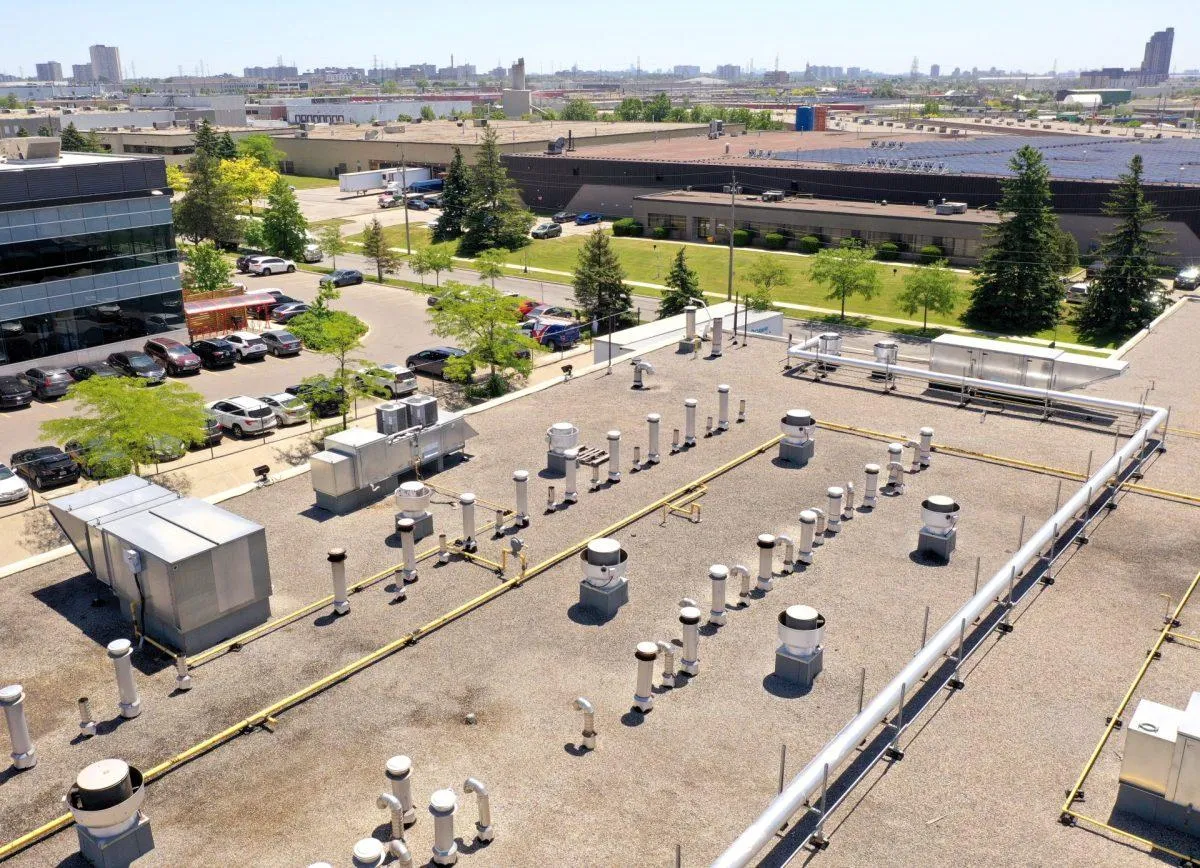
Fast answers still need roof evidence.
We make roof decisions readable for ownership groups that need budget clarity before authorizing field work. Around Research Triangle Park lab and office schedules and RDU Airport-area logistics and loading access, the right scope often depends on timing as much as material choice.
Start ReviewWhat gets checked.
We plan around the building's occupancy, access limits, roof equipment, loading areas, and operating hours. The recommendation stays practical: what should be controlled now, what needs pricing, and what deserves a capital plan before the next weather window.
We look at membrane seams, roof drains, edge metal, penetrations, rooftop units, previous repairs, and safe access before pricing work.
What owners receive.
A written scope with photos, limits, schedule notes, and a practical recommendation for repair, recovery, coating, or replacement.
Contact UsRelated Roof Paths
Compare the next decision.
Warehouse Roofing
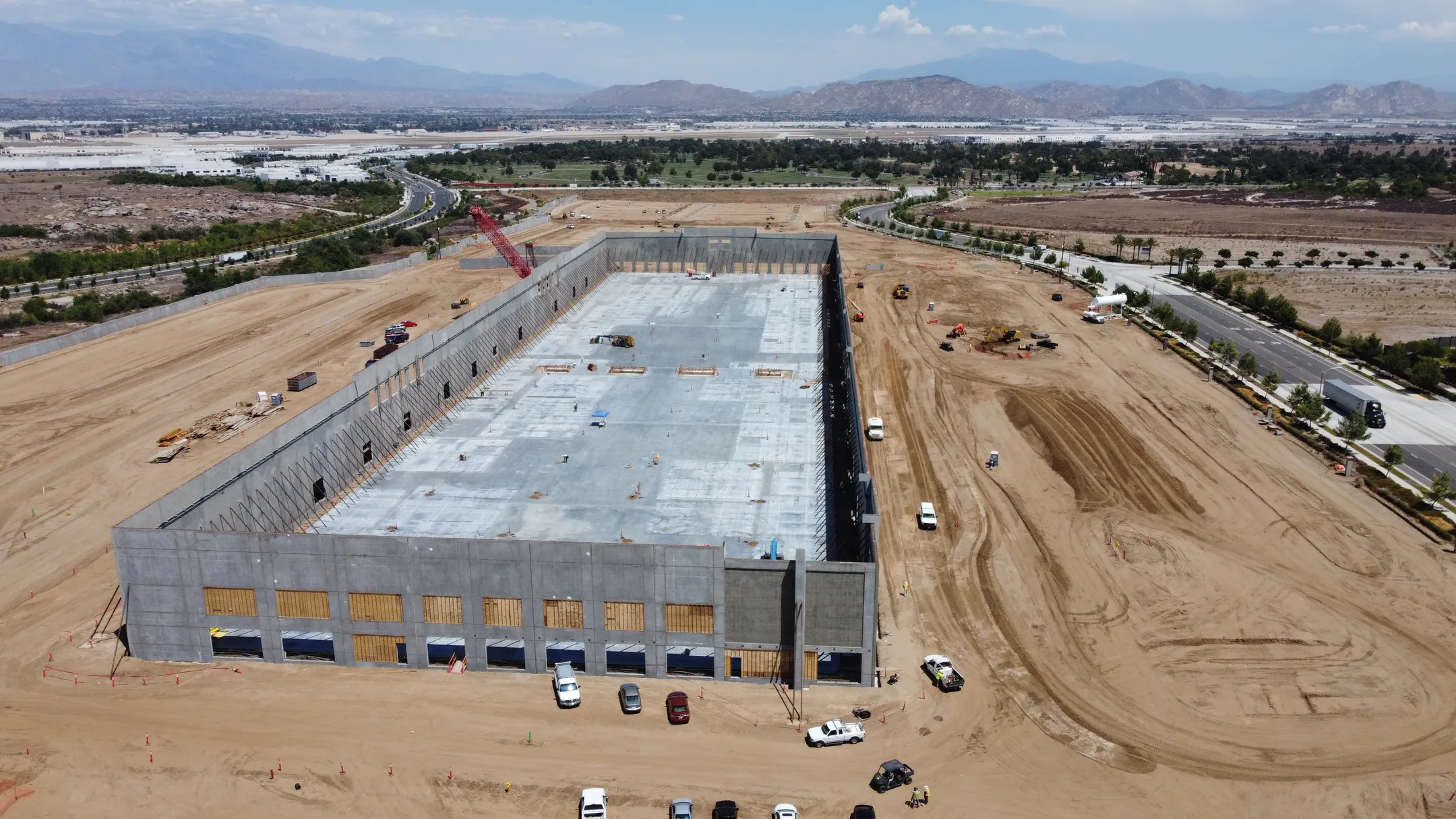
Warehouse Roofing starts with roof evidence around American Tobacco Campus roof access and tenant-hour limits. We make roof decisions readable for ownership groups that need budget clarity before authorizing field work.
Office Complex Roofing
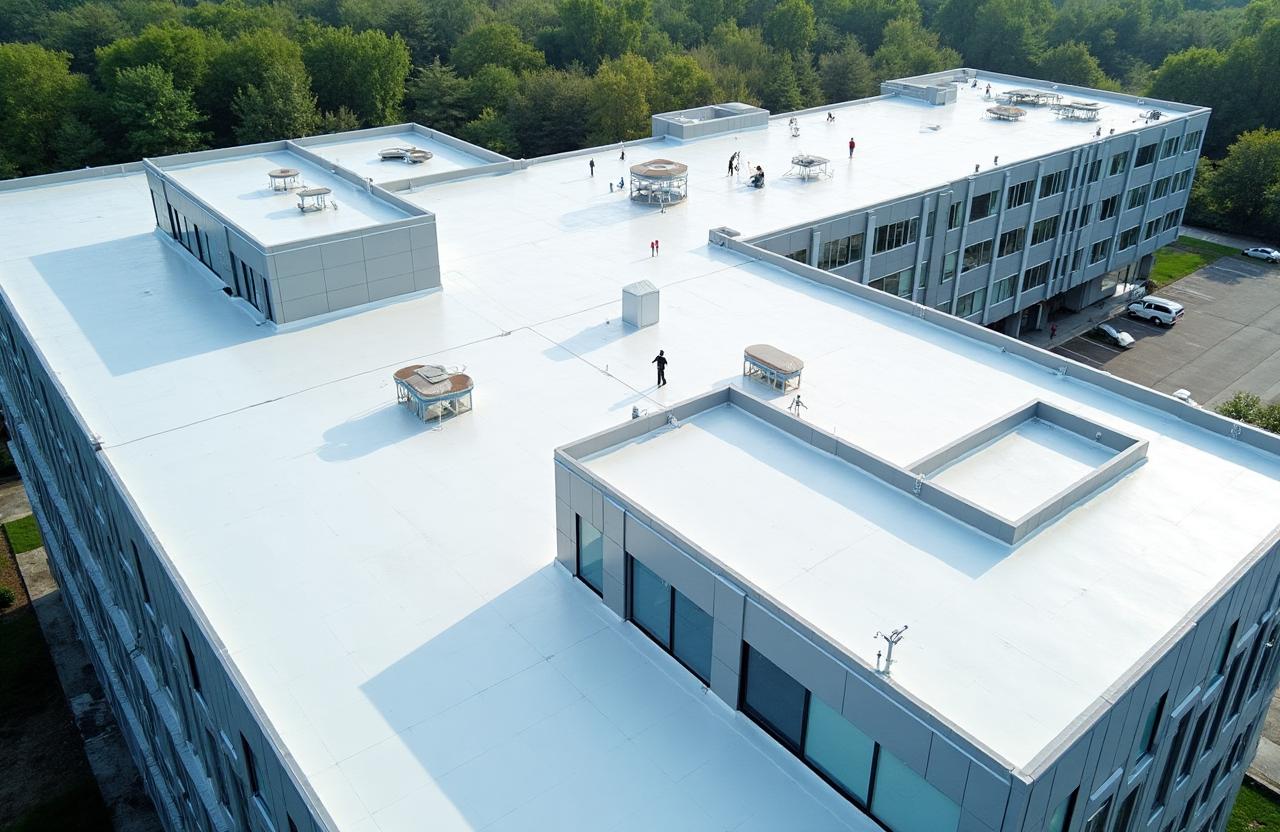
Office Complex Roofing starts with roof evidence around Golden Belt and Brightleaf adaptive-reuse roof details. We plan around the building's occupancy, access limits, roof equipment, loading areas, and operating hours.
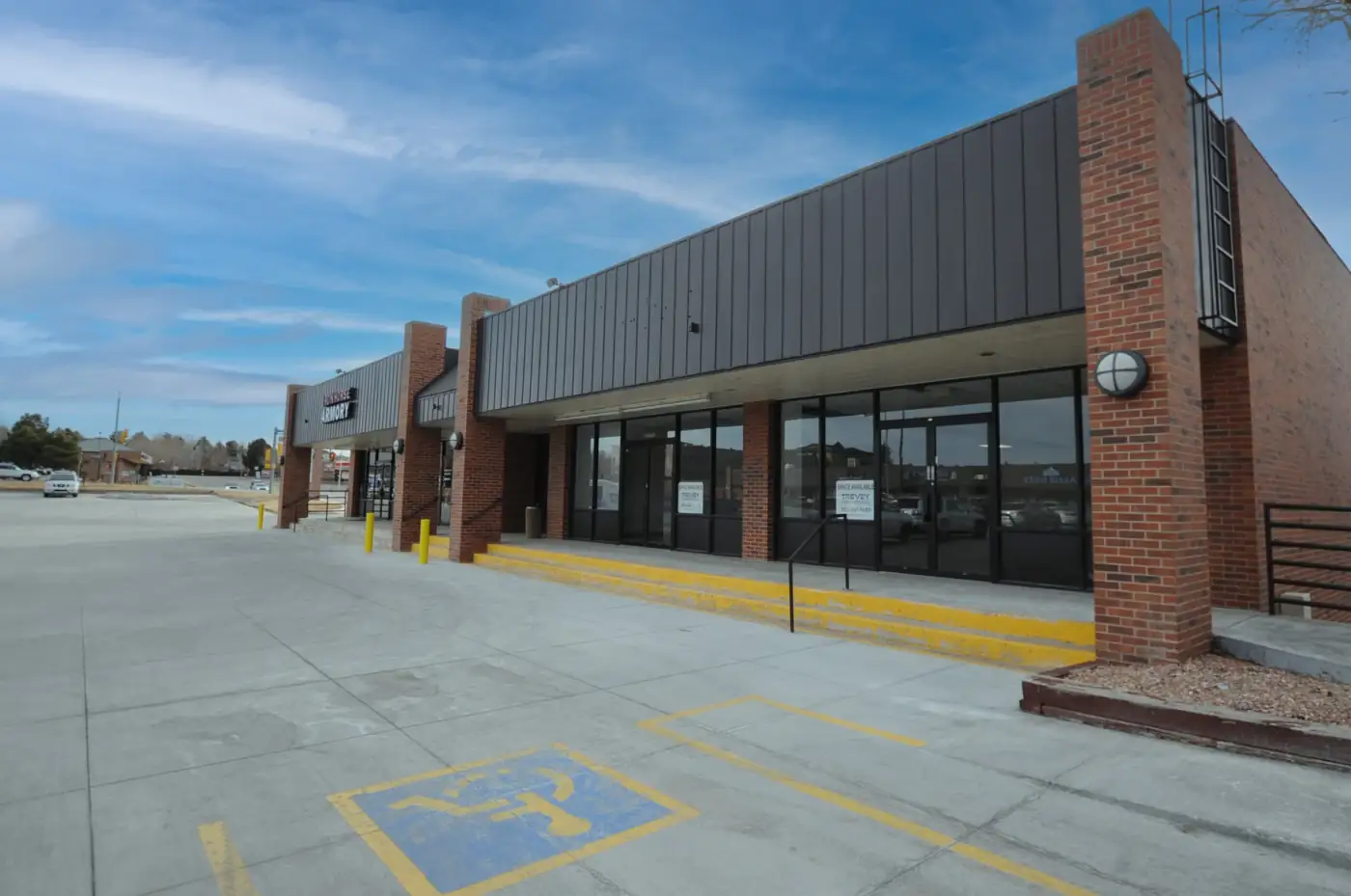
Big-Box Retail Roofing
Big-Box Retail Roofing starts with roof evidence around American Tobacco Campus roof access and tenant-hour limits. We plan around the building's occupancy, access limits, roof equipment, loading areas, and operating hours.
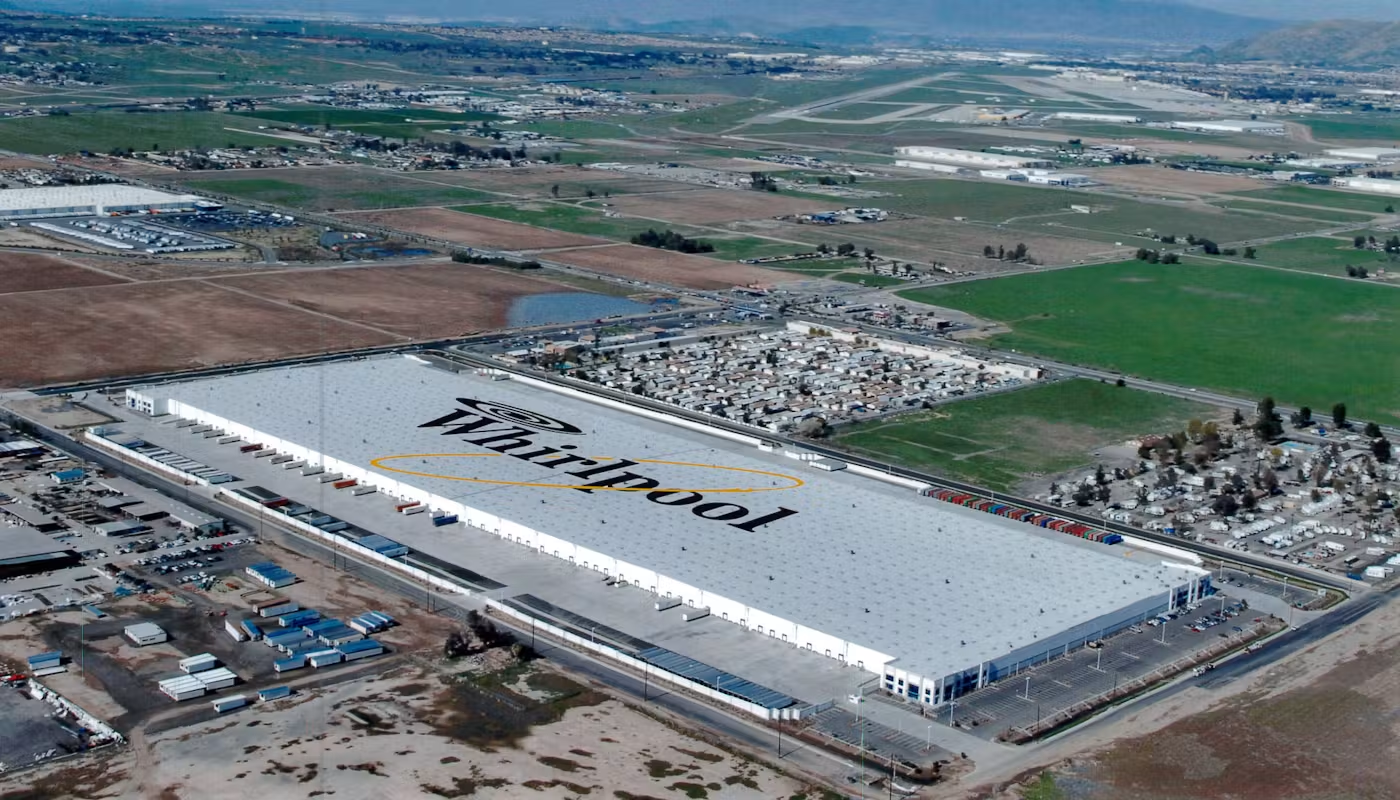
Distribution Center Roofing
Distribution Center Roofing starts with roof evidence around American Tobacco Campus roof access and tenant-hour limits. We make roof decisions readable for ownership groups that need budget clarity before authorizing field work.
Project Types
Roofing for the bakeries, beverage plants, protein processors, and cold-pack operations across Durham, based on washdown humidity, refrigeration loads, and food-safety rules.
The roof is part of the food-safety envelope
A processing plant treats its roof differently than any other building, because the roof is the top of the food-safety envelope. A leak above an active line is not a maintenance call; it is a potential contamination event that pulls in the quality-assurance manager, can put product on hold, and ends up in a regulatory file. Food processors around Durham, from the beverage and specialty-food operations along the East Pettigrew and Angier Avenue industrial belts to the cold-pack and distribution plants near the I-40 and NC-147 interchanges and the food-manufacturing space inside the larger Research Triangle Park supply chain, all share that reality. We scope these projects to remove the contamination risk up front rather than clean it up afterward.
Two forces define the building physics: the moisture and the cold. Sanitary washdown fills these plants with warm, high-humidity air, and the refrigeration that keeps product safe drives a steady temperature gradient through the roof. Both push moisture into the assembly. The roof has to manage them on purpose.
Washdown humidity drives vapor up into the deck
High-pressure hot-water washdown is a daily ritual on a processing floor, and it loads the air with vapor that rises straight into the roof deck. Without the right vapor control for Durham's humid climate, that vapor condenses inside the assembly, corroding steel deck and saturating insulation while the surface membrane still looks intact. We position the vapor retarder for the building's interior conditions and the local climate, not from a generic detail, and on any recover we core the existing roof first. Laying new membrane over a deck that is already corroding from interior moisture simply seals the failure in.
Refrigeration adds load the deck has to carry
Freezer rooms, chill rooms, and blast-freeze areas turn the roof into a thermal boundary the building cannot afford to lose. Above a refrigerated space, the assembly has to hold the cold chain so warm humid air on the outside does not condense against the cold deck below, a vapor drive that runs the opposite direction from the rest of the plant and has to be detailed for it. On top of that, the refrigeration equipment itself, the condensers, evaporative units, and the heavy mechanical that rides above the cold rooms, adds concentrated load. We confirm the existing deck and structure can carry both the equipment and any new tapered insulation before we specify thickness, and we design drainage so water never ponds above a freezer where it both stresses the refrigeration system and accelerates deck corrosion.
Not every roofing material is allowed up there
The membrane spec for a food plant starts with what the facility's food-safety plan and the USDA or FDA framework actually permit above a production environment. White TPO and PVC single-ply are generally acceptable over enclosed processing areas, but the specific product and installation method have to be confirmed against the plant's program. The hidden trap is in the accessories: many standard roofing adhesives, primers, and sealants carry solvents that are not acceptable in a food-production environment. We identify the regulatory framework for the building and clear every material, including the flashing chemistry, with the QA team before anything goes down over a food-contact zone.
The production schedule runs the job
Most Durham processors run two or three shifts, with a single weekly sanitation window as the only time the floor is truly down. Any work that opens the envelope above an active line has to live inside that window, with the production team and QA confirming the floor is clean and protected before we start. So we phase around the schedule rather than asking the schedule to bend to us: envelope-breaking work goes into sanitation and planned shutdowns, exterior and non-critical sections proceed during production, and every working day closes with a confirmed dry-in. Work above refrigerated zones is coordinated with the refrigeration crew so nothing we do interrupts the cold chain.
Pest exclusion and a clean roof surface
Food-safety auditors care about the roof for a reason beyond leaks: roof openings, gaps at penetrations, and standing water are pathways for pests and harborage that show up directly in a plant's audit findings. Every penetration we flash gets sealed to exclude birds and rodents, not just water, and we eliminate the ponding that breeds insects and stains the membrane. We also keep the work zone clean as we go, because debris, fasteners, and packaging left on a processing roof can migrate into rooftop intakes or wash down into a drain that feeds the floor below. On a food plant a tidy roof is a compliance feature, not just good housekeeping, and we treat it that way through the whole project.
Inspection-ready, with an emergency plan
Roof condition is a standard line item in USDA and FDA inspections; inspectors look for leaks, condensation, and deterioration that could let moisture in above product. We provide condition documentation and repair records a QA manager can hand an inspector to show proactive maintenance. And because a leak over an active line is a genuine emergency, we set up a 24-hour contact, priority mobilization for temporary dry-in, and documentation support for the plant's incident reporting as part of every closeout.
Food Processing Facility Roofing Questions
Can any commercial roofing material go above a food line?
No. USDA and FDA-regulated plants require membranes, adhesives, primers, and sealants to be confirmed acceptable for food-production environments before installation, and that is not universal across products. We identify the facility's framework and clear every material, including flashing chemistry, with the QA team before specifying anything over a food-contact zone.
How do you schedule work in an around-the-clock plant?
We phase around the production calendar. Envelope-breaking work goes into the weekly sanitation window and planned shutdowns, exterior and non-critical sections proceed during production, and every shift ends with a confirmed dry-in. Work over refrigerated areas is coordinated with the refrigeration crew.
How do you handle drainage above freezers?
Ponding above a freezer both loads the refrigeration system and corrodes the deck, so we use tapered insulation to drive water to perimeter scuppers or interior drains and confirm the drainage design matches the refrigeration conditions for the roof above.
What happens if a leak hits an active line?
It is treated as an emergency. Our protocol for processing plants includes a 24-hour contact, priority mobilization for temporary dry-in, and documentation support for the plant's incident reporting, with that contact information provided at project closeout.