
Fitness Center & Gym Roofing in Durham, NC
We handle fitness center & gym roofing by starting with the roof evidence owners can act on: photos, access limits, drainage notes, wet-area clues, and the operating constraints around Southpoint retail traffic and phased staging.

Fast answers still need roof evidence.
We match the roof recommendation to the way the property earns, serves tenants, and protects interior operations. Around American Tobacco Campus roof access and tenant-hour limits and Duke Health and Duke University occupied-building constraints, the right scope often depends on timing as much as material choice.
Start ReviewWhat gets checked.
We make roof decisions readable for ownership groups that need budget clarity before authorizing field work. The recommendation stays practical: what should be controlled now, what needs pricing, and what deserves a capital plan before the next weather window.
We look at membrane seams, roof drains, edge metal, penetrations, rooftop units, previous repairs, and safe access before pricing work.
What owners receive.
A written scope with photos, limits, schedule notes, and a practical recommendation for repair, recovery, coating, or replacement.
Contact UsRelated Roof Paths
Compare the next decision.
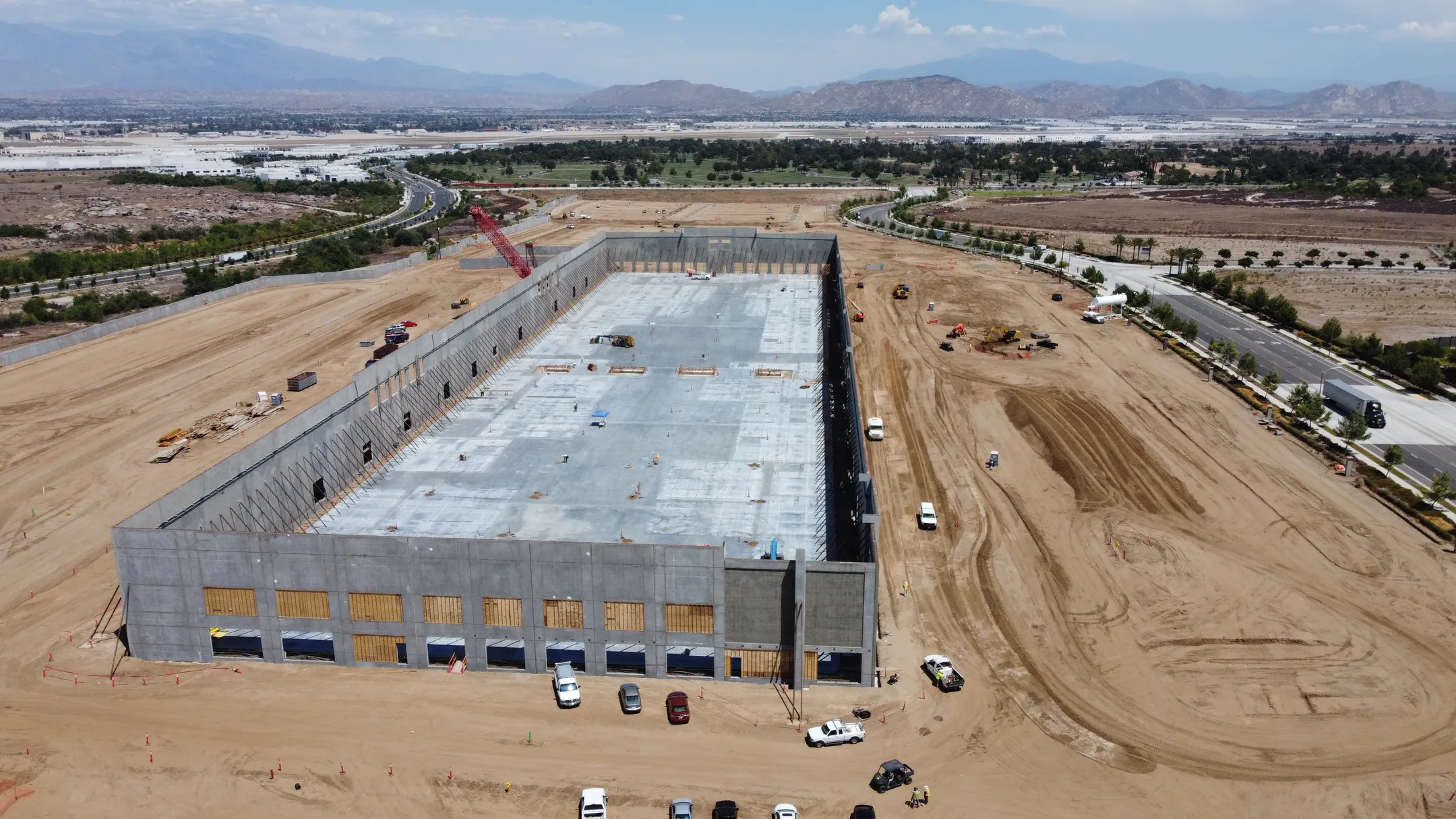
Warehouse Roofing
Warehouse Roofing starts with roof evidence around American Tobacco Campus roof access and tenant-hour limits. We make roof decisions readable for ownership groups that need budget clarity before authorizing field work.
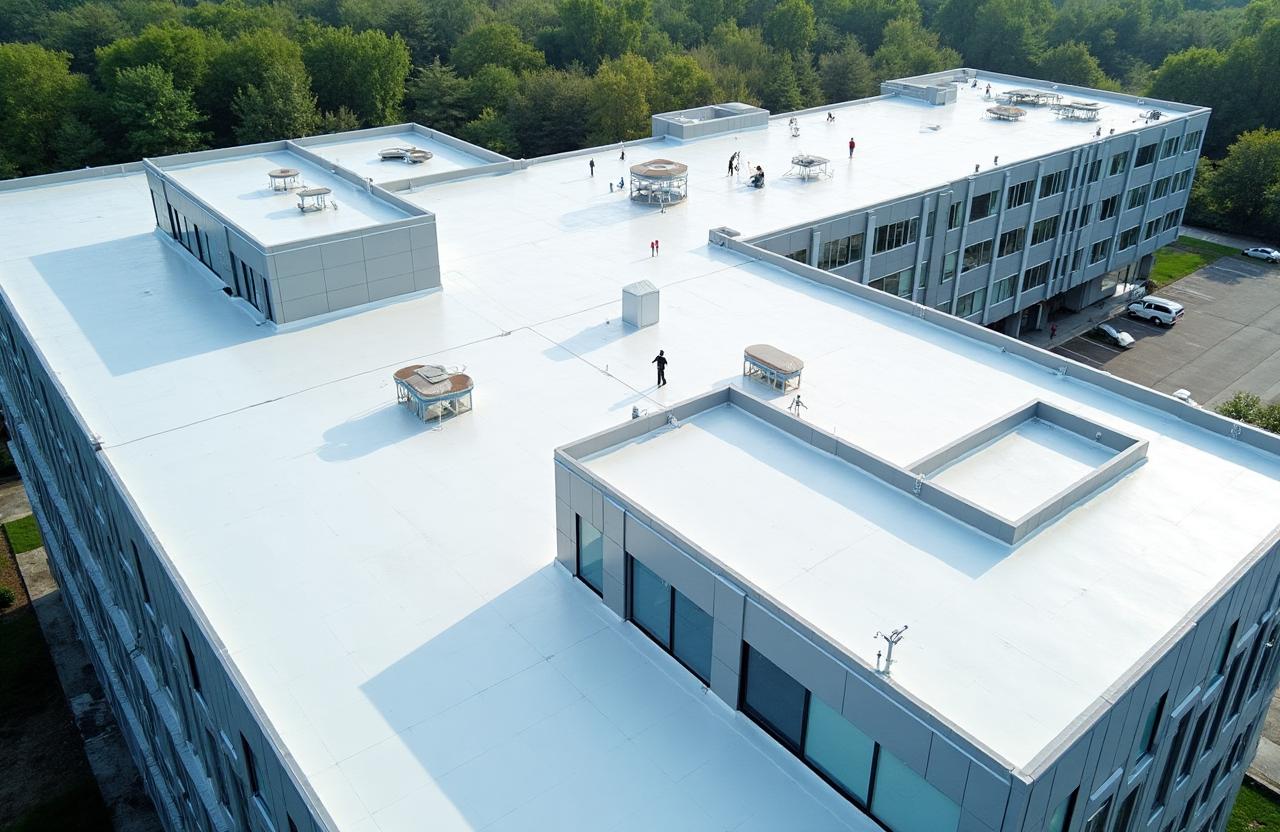
Office Complex Roofing
Office Complex Roofing starts with roof evidence around Golden Belt and Brightleaf adaptive-reuse roof details. We plan around the building's occupancy, access limits, roof equipment, loading areas, and operating hours.
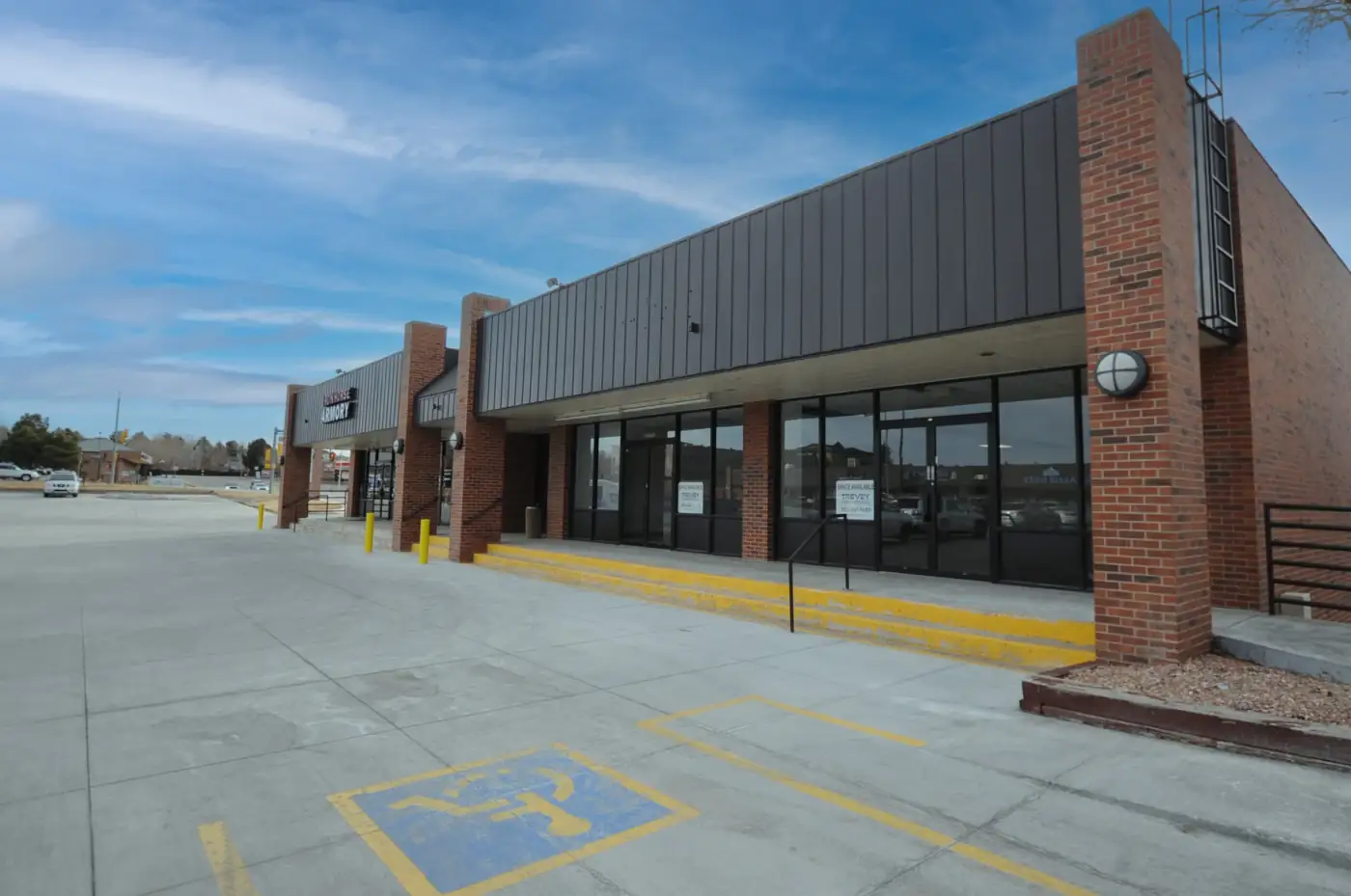
Big-Box Retail Roofing
Big-Box Retail Roofing starts with roof evidence around American Tobacco Campus roof access and tenant-hour limits. We plan around the building's occupancy, access limits, roof equipment, loading areas, and operating hours.

Distribution Center Roofing
Distribution Center Roofing starts with roof evidence around American Tobacco Campus roof access and tenant-hour limits. We make roof decisions readable for ownership groups that need budget clarity before authorizing field work.
Project Types
Roofing built for the moisture load and rooftop equipment density of Durham gyms - from neighborhood studios to full-service clubs with pools and locker rooms.
A Gym Roof Fights Humidity From the Inside
Most building owners think of the roof as protection against weather coming down. On a fitness center, the bigger threat often comes up from inside. Showers, steam rooms, hot tubs, and indoor pools push a steady stream of warm, moist air into the underside of the roof assembly all day long. If the vapor control in that assembly is wrong for our climate, the moisture condenses inside the insulation, soaks the R-value out of it, and rots the deck from beneath - long before the surface membrane shows any sign of trouble. A correct gym roofing scope treats interior vapor drive as a design input, not a detail to bolt on later.
Durham's fitness market gives us a wide range of these buildings. There are big-box clubs anchoring shopping centers along the 15-501 corridor and near The Streets at Southpoint, boutique studios tucked into the redeveloped American Tobacco and Golden Belt districts downtown, and university-adjacent gyms serving the dense student populations around Duke and North Carolina Central. A pool-equipped club and a dry strength studio do not get the same assembly, and we don't pretend they do.
Open Spans and a Crowded Roof Deck
Gyms are big open rooms. The main training floor is typically a long clear span with no interior columns, which means the structural deck carries real deflection and the roof above it sees movement that a chopped-up office roof never does. On top of that deck sits an unusually dense field of rooftop equipment. High occupancy and the CO2 and moisture those bodies generate demand serious air handling - large rooftop units over the main floor, dedicated exhaust and make-up air over locker rooms and group-exercise studios, and separate dehumidification systems over any natatorium. The penetration count per thousand square feet on a full-service club runs well above a comparable retail box, and every one of those curbs and ducts has to be flashed for the humidity these buildings throw at it, not with a generic detail.
Why Adhered Systems Earn Their Cost Here
For clubs with pools, steam, or heavy shower loads, we favor a 60-mil TPO or PVC fully adhered assembly with a properly positioned vapor retarder beneath the insulation. Going adhered removes the field of fastener penetrations that a mechanically attached roof drives through the membrane, which matters when warm interior vapor is looking for any path upward. For dry studios and strength gyms with no pool, a 60-mil TPO mechanically attached system is appropriate and keeps the cost in line with the building's needs.
Working Around a Schedule That Barely Closes
Many Durham gyms open at five in the morning and a number run twenty-four hours, often every day of the year. There is no tidy overnight window where the building empties out. We build the schedule around real operating hours, around pool-chemical delivery times, and around the HVAC maintenance windows that keep indoor air quality inside North Carolina's public-pool standards. That coordination is written into the proposal as part of the base scope - it is not a change order we spring on the operator after the contract is signed. Crews stage so the floor below stays open, noise near occupied locker rooms is held to agreed limits, and each roof section is watertight before the next operating cycle begins.
Curbs, Drains, and the Details That Actually Leak
On older gym buildings the chronic leaks are almost never out in the open field of the roof. They are at undersized HVAC curbs that never met the membrane manufacturer's minimum height, at exhaust fan penetrations that were never properly flashed, and at drains that ponding water has overwhelmed because the original tapered insulation gave out. We document every curb size and clearance height before pricing, raise or rebuild the curbs that fall short of warranty requirements, and add tapered insulation at the drains so water actually leaves the roof instead of sitting on it.
One Closeout Package, Whether You're a Chain or an Independent
National operators come with corporate facilities departments and vendor-approval processes, and we work inside those. Independent club owners and the commercial real estate investors who hold these buildings work with us directly. Either way the project closes the same: building permit and final inspection certificate, manufacturer warranty registered in the owner's name, a roof zone diagram with the penetration inventory, the drain and flashing inspection record, and photo documentation of every completed detail. Chain locations get that package formatted to match their corporate asset-management system so it drops straight into the facility file.
Fitness Center & Gym Roofing Questions
Interior vapor drive from high-humidity spaces is controlled by a correctly specified and positioned vapor retarder inside the roof assembly, not just a well-installed surface membrane. We review the existing insulation layers, confirm whether the vapor retarder is in the right position for Durham's climate zone, and specify the proper assembly for the reroof. Getting this wrong traps moisture and destroys insulation R-value within a few seasons.
For clubs with pools or steam rooms, 60-mil TPO or PVC fully adhered is preferred, because an adhered system removes the fastener penetration field of mechanical attachment and builds a more vapor-resistant assembly. For dry studios and strength gyms without pool areas, 60-mil TPO mechanically attached is appropriate and more economical.
We confirm the work schedule with the gym's facilities team before mobilizing and lock in daily tear-off and dry-in windows in writing. The manager receives a daily status report and confirms watertight protection before the next operating cycle. Crew start times and noise limits near occupied locker rooms are documented in the pre-construction plan.
Yes. HVAC curb flashing is standard scope on any fitness center roof. We document every curb size and clearance height before pricing, and undersized curbs - a common defect on older gym buildings - are raised or replaced so the new membrane meets the manufacturer's warranty requirements for curb height.
Standard closeout includes the building permit and final inspection certificate, manufacturer warranty registration, a roof zone diagram with penetration inventory, the drain and flashing inspection record, and photo documentation of all completed details. Chain operators receive it formatted to match their corporate facility-management requirements.
Commercial Roofing of Durham
Fitness Center & Gym Roofing Questions
How do you address condensation from pool areas and locker rooms?
Interior vapor drive from high-humidity spaces is controlled by a correctly specified and positioned vapor retarder inside the roof assembly, not just a well-installed surface membrane. We review the existing insulation layers, confirm whether the vapor retarder is in the right position for Durham's climate zone, and specify the proper assembly for the reroof. Getting this wrong traps moisture and destroys insulation R-value within a few seasons.
What membrane systems work best for fitness centers?
For clubs with pools or steam rooms, 60-mil TPO or PVC fully adhered is preferred, because an adhered system removes the fastener penetration field of mechanical attachment and builds a more vapor-resistant assembly. For dry studios and strength gyms without pool areas, 60-mil TPO mechanically attached is appropriate and more economical.
How does roofing get scheduled around 24-hour or early-morning gym operations?
We confirm the work schedule with the gym's facilities team before mobilizing and lock in daily tear-off and dry-in windows in writing. The manager receives a daily status report and confirms watertight protection before the next operating cycle. Crew start times and noise limits near occupied locker rooms are documented in the pre-construction plan.
Do you handle rooftop HVAC curb work as part of the roofing scope?
Yes. HVAC curb flashing is standard scope on any fitness center roof. We document every curb size and clearance height before pricing, and undersized curbs - a common defect on older gym buildings - are raised or replaced so the new membrane meets the manufacturer's warranty requirements for curb height.
What documentation do you provide at closeout?
Standard closeout includes the building permit and final inspection certificate, manufacturer warranty registration, a roof zone diagram with penetration inventory, the drain and flashing inspection record, and photo documentation of all completed details. Chain operators receive it formatted to match their corporate facility-management requirements.