Car Wash Facility Roofing in Durham, NC
We handle car wash roofing by starting with the roof evidence owners can act on: photos, access limits, drainage notes, wet-area clues, and the operating constraints around Southpoint retail traffic and phased staging.
Fast answers still need roof evidence.
We plan around the building's occupancy, access limits, roof equipment, loading areas, and operating hours. Around American Tobacco Campus roof access and tenant-hour limits and Duke Health and Duke University occupied-building constraints, the right scope often depends on timing as much as material choice.
Start ReviewWhat gets checked.
We match the roof recommendation to the way the property earns, serves tenants, and protects interior operations. The recommendation stays practical: what should be controlled now, what needs pricing, and what deserves a capital plan before the next weather window.
We look at membrane seams, roof drains, edge metal, penetrations, rooftop units, previous repairs, and safe access before pricing work.
What owners receive.
A written scope with photos, limits, schedule notes, and a practical recommendation for repair, recovery, coating, or replacement.
Contact UsRelated Roof Paths
Compare the next decision.
Warehouse Roofing
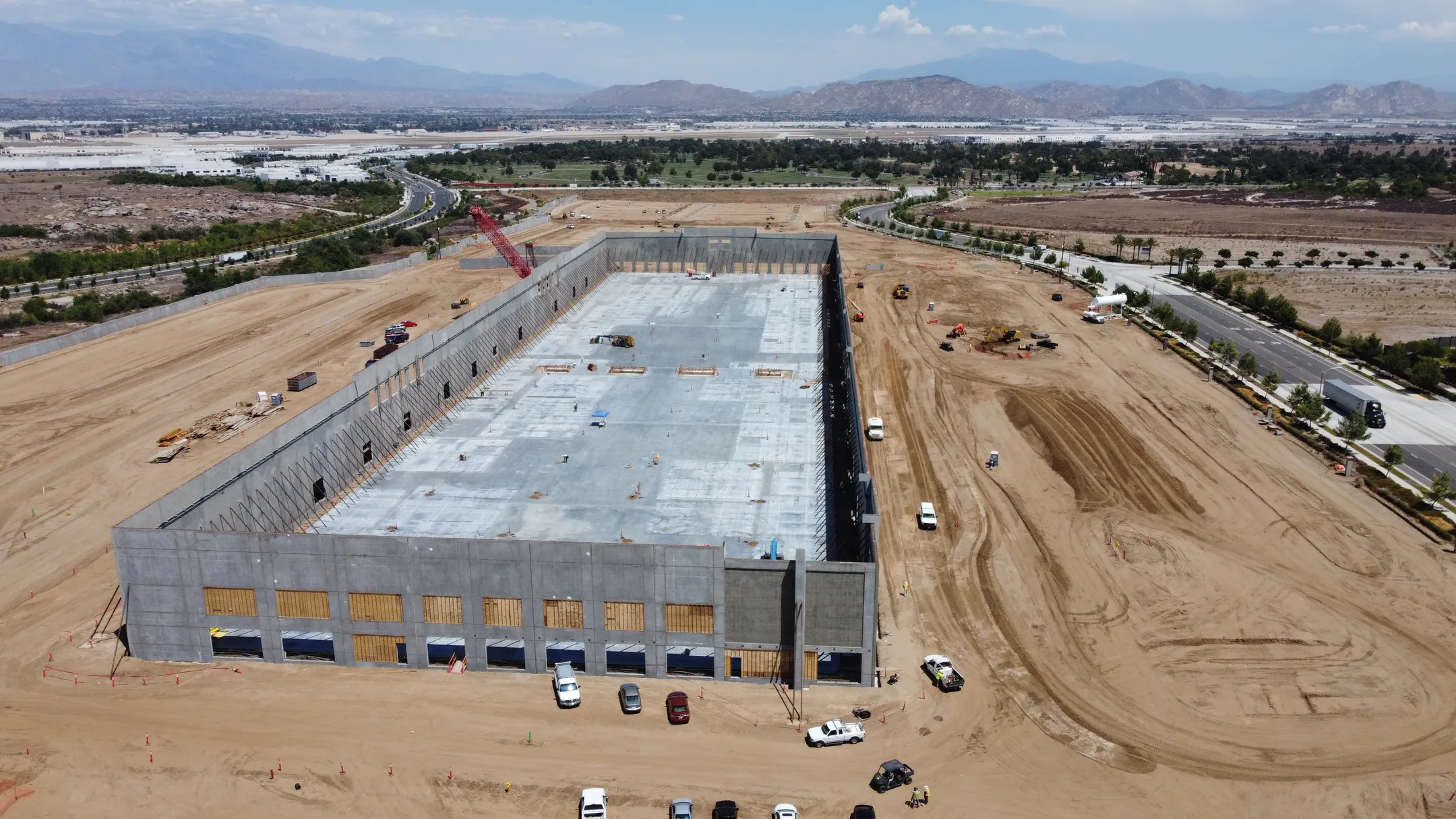
Warehouse Roofing starts with roof evidence around American Tobacco Campus roof access and tenant-hour limits. We make roof decisions readable for ownership groups that need budget clarity before authorizing field work.
Office Complex Roofing
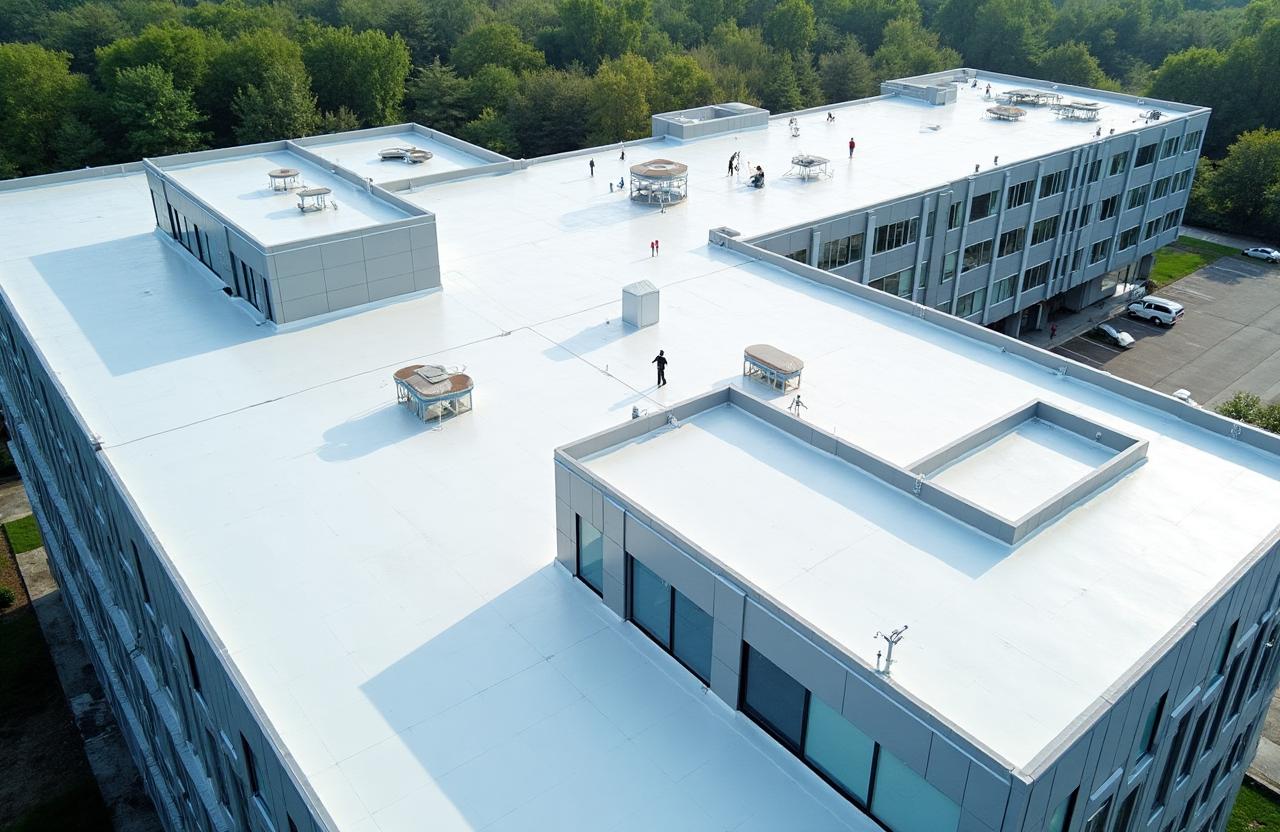
Office Complex Roofing starts with roof evidence around Golden Belt and Brightleaf adaptive-reuse roof details. We plan around the building's occupancy, access limits, roof equipment, loading areas, and operating hours.
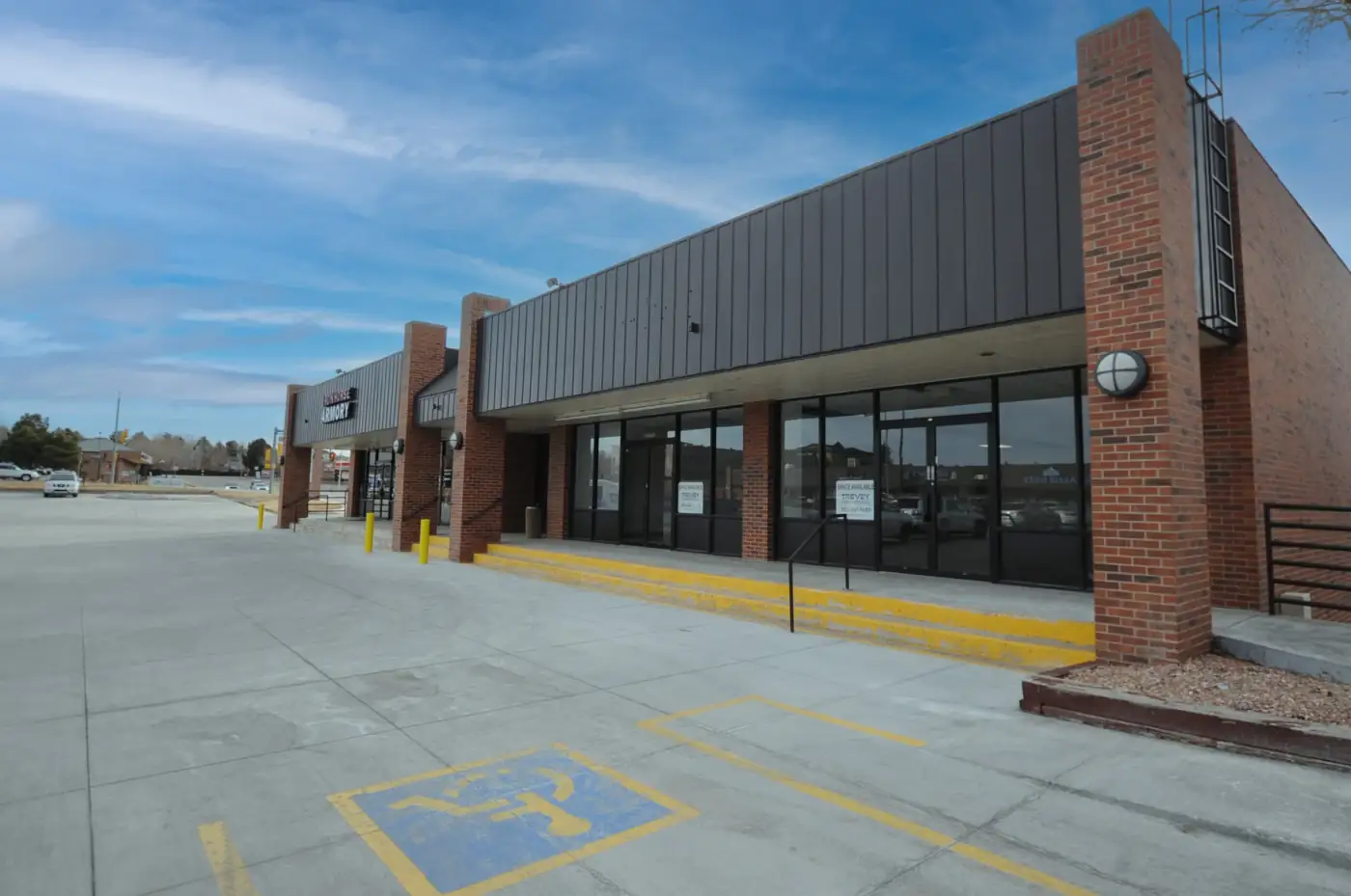
Big-Box Retail Roofing
Big-Box Retail Roofing starts with roof evidence around American Tobacco Campus roof access and tenant-hour limits. We plan around the building's occupancy, access limits, roof equipment, loading areas, and operating hours.
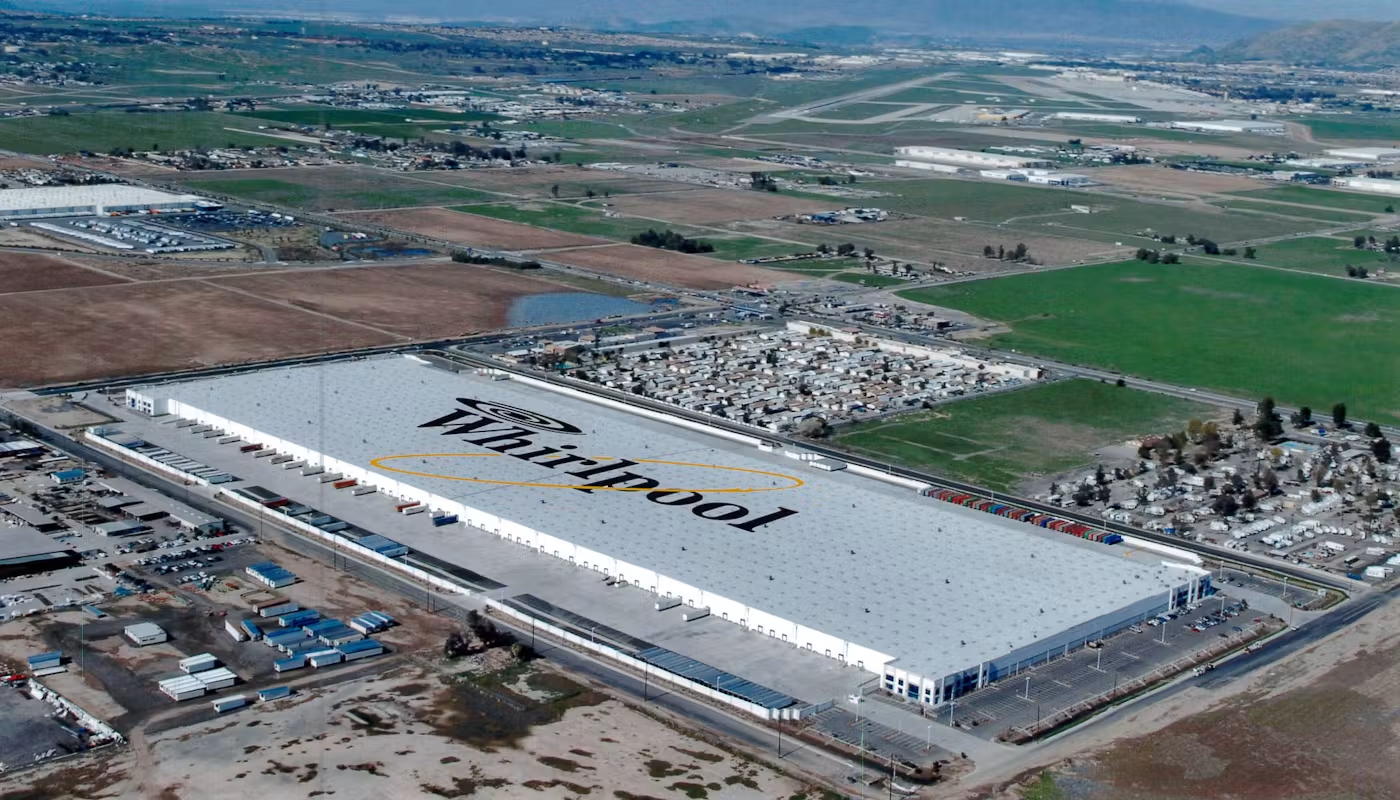
Distribution Center Roofing
Distribution Center Roofing starts with roof evidence around American Tobacco Campus roof access and tenant-hour limits. We make roof decisions readable for ownership groups that need budget clarity before authorizing field work.
Project Types
Roofing for express tunnels, in-bay automatics, and full-service car washes across Durham, engineered for the chemical vapor and humidity that attack the deck from below.
Why a car wash roof fails from the inside out
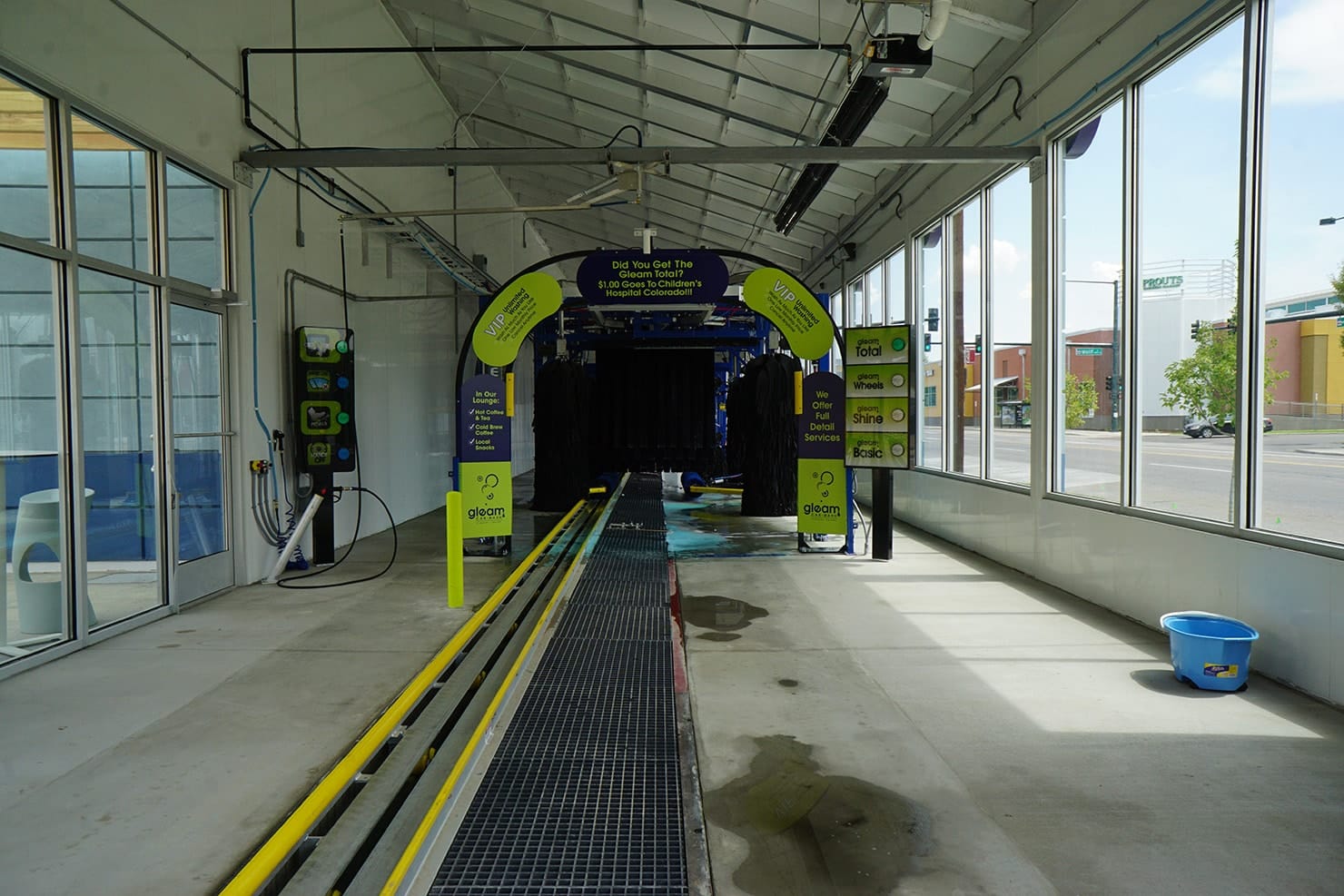
Most commercial roofs in Durham age from the top down, weathered by sun and rain. A car wash roof does the opposite. The wash tunnel sits in a permanent fog of hot water, detergent mist, tire-shine compounds, drying agents, and the salt that rinses off vehicles all winter long. That vapor rises, finds the underside of the deck, and condenses on the steel, the fasteners, and the insulation before it ever reaches the membrane. By the time you see a stain on a ceiling tile, the corrosion has been working for months. We approach every car wash we inspect along Durham's high-traffic wash corridors, from the Roxboro Road and Guess Road strips to the express tunnels feeding the Southpoint and Renaissance Village retail trade, as a building under constant interior chemical load, not as a standard low-slope box.
That single fact reshapes the entire roofing scope. The fastener pattern, the insulation facer, the vapor control, and the membrane chemistry all have to be chosen for an environment that is trying to rust the assembly out from underneath. Get that wrong and a roof that was warrantied for twenty years can be leaking in five.
Durham car washes are not all the same building
The wash operations clustered around Durham draw from a steady local demand base: the commuter volume on I-85 and the Durham Freeway, the rental-car and fleet turnover tied to RDU and the Research Triangle Park campuses, and the road grime that comes with the region's clay soil and pollen-heavy springs. But the buildings serving that demand vary widely, and so does the roof.
- Express exterior tunnels run the most aggressive chemical menu of all, and the conveyor tunnel is one long enclosed vapor chamber. This is the highest-risk roof zone on any car wash property.
- In-bay automatic washes at convenience-store and fuel sites carry lower vapor volume but almost always have shallow-slope decks where standing water collects above the equipment bay.
- Self-serve wand bays are open-air, so the load is intermittent, but the open ceilings expose the deck and fasteners to direct overspray.
- Full-service operations add detail buildings, customer lobbies, and dryer rooms, each with its own ventilation and its own roof exposure.
We walk the actual building and the actual chemical program before we specify anything. The roof above the lobby and the roof above the tunnel are two different problems on the same parcel.
The membrane has to survive the chemistry
Standard single-ply membranes are tested against weather, not against the alkaline detergents, acidic wheel cleaners, and petroleum-based dressings that fill a wash tunnel. Many manufacturer warranties carry an outright exclusion for chemical exposure, which means a generic spec can void coverage on day one. For the tunnel and bay zones we favor PVC membrane, because its plasticizer chemistry holds up to the surfactants and waxes far better than TPO or EPDM over the long run. We confirm the exact product line against the manufacturer's chemical-resistance schedule for the specific cleaners in use, and we pull the wash-environment warranty option when the manufacturer offers one.
Attachment matters just as much as the sheet. Inside a tunnel, exhaust fans pull a constant negative pressure that flutters a loose membrane and works fasteners loose over thousands of cycles a day. A fully adhered or fleece-back PVC eliminates that flutter and removes the fastener penetrations that corrosion loves. Outside the tunnel, on the lobby and equipment-room sections, a mechanically attached system is usually appropriate and more economical.
Vapor control and the deck underneath
Because the threat comes from below, a car wash reroof is incomplete without a vapor strategy. We specify a vapor retarder positioned for Durham's humid climate and the tunnel's interior conditions, so warm wet air cannot drive up into cold insulation and condense against the deck. On any recover, we core the assembly first. Wet insulation hiding under an intact-looking surface is routine on wash buildings, and laying new membrane over a saturated, corroding deck simply seals the damage in. Where the steel deck has already lost section to rust, we coordinate deck repair as part of the scope rather than roofing over a failing substrate.
Exhaust, equipment, and canopy details
Wash tunnels move enormous volumes of air. The exhaust penetrations above the tunnel run hot, humid, and chemically loaded, and they need oversized curbs and flashings built for that duty rather than standard HVAC details. Reclaim-tank vents, blower stacks, and dryer exhausts each get treated as their own engineered penetration. The vacuum canopies and customer-pay canopies on the exit side bring a separate set of failures: vehicle exhaust, dressing overspray, and outdoor thermal cycling that attack canopy membrane, edge metal, and the all-important canopy-to-building transition. Those transitions and canopy drain tie-ins are the single most common chronic-leak source we find on Durham express sites, so we inspect and price them as discrete items.
Working a wash that never closes
Car washes in Durham run seven days a week through most of the year, and the busiest hours are exactly the daylight hours a roofing crew wants. We plan around that. Tunnel roof work is sequenced into the early-morning or post-close windows when the conveyor is down, while lobby, canopy, and equipment-room sections can be handled during operating hours with traffic control that keeps customer vehicles clear of the work zone. Every working day ends with a confirmed dry-in so an afternoon storm never reaches the equipment below.
Car Wash Roofing Questions
What membrane do you recommend for a wash tunnel?
For the tunnel and bay zones we recommend a 60-mil PVC, fully adhered or fleece-back, because PVC resists the alkaline detergents and waxes used in commercial washing far better than TPO or EPDM, and the adhered installation removes both membrane flutter and the corrosion-prone fastener field. Lobby, detail, and equipment-room sections are typically fine with a standard mechanically attached single-ply.
Will chemical exposure void my roof warranty?
It can. Most single-ply warranties exclude chemical attack by default, so we confirm with the manufacturer that the specific cleaning chemistry at your wash is compatible with the specified membrane and pursue a chemical-exposure or wash-environment warranty endorsement where one is available before we finalize the spec.
Can you reroof while we stay open?
Yes. We schedule tunnel work into your closed hours and handle canopy, lobby, and equipment-room sections during business hours with traffic control, confirming a watertight dry-in at the end of every shift.
Do you handle the vacuum and pay canopies?
Yes. Canopy membrane or panel replacement, gutter and downspout work, and the canopy-to-building transition flashing are all part of our car wash roofing assessment, since those transitions are where most express-site leaks originate.