
Bank & Financial Building Roofing in Durham, NC
We handle bank & financial building roofing by starting with the roof evidence owners can act on: photos, access limits, drainage notes, wet-area clues, and the operating constraints around RDU Airport-area logistics and loading access.
Fast answers still need roof evidence.
We plan around the building's occupancy, access limits, roof equipment, loading areas, and operating hours. Around Southpoint retail traffic and phased staging and American Tobacco Campus roof access and tenant-hour limits, the right scope often depends on timing as much as material choice.
Start ReviewWhat gets checked.
We match the roof recommendation to the way the property earns, serves tenants, and protects interior operations. The recommendation stays practical: what should be controlled now, what needs pricing, and what deserves a capital plan before the next weather window.
We look at membrane seams, roof drains, edge metal, penetrations, rooftop units, previous repairs, and safe access before pricing work.
What owners receive.
A written scope with photos, limits, schedule notes, and a practical recommendation for repair, recovery, coating, or replacement.
Contact UsRelated Roof Paths
Compare the next decision.
Warehouse Roofing
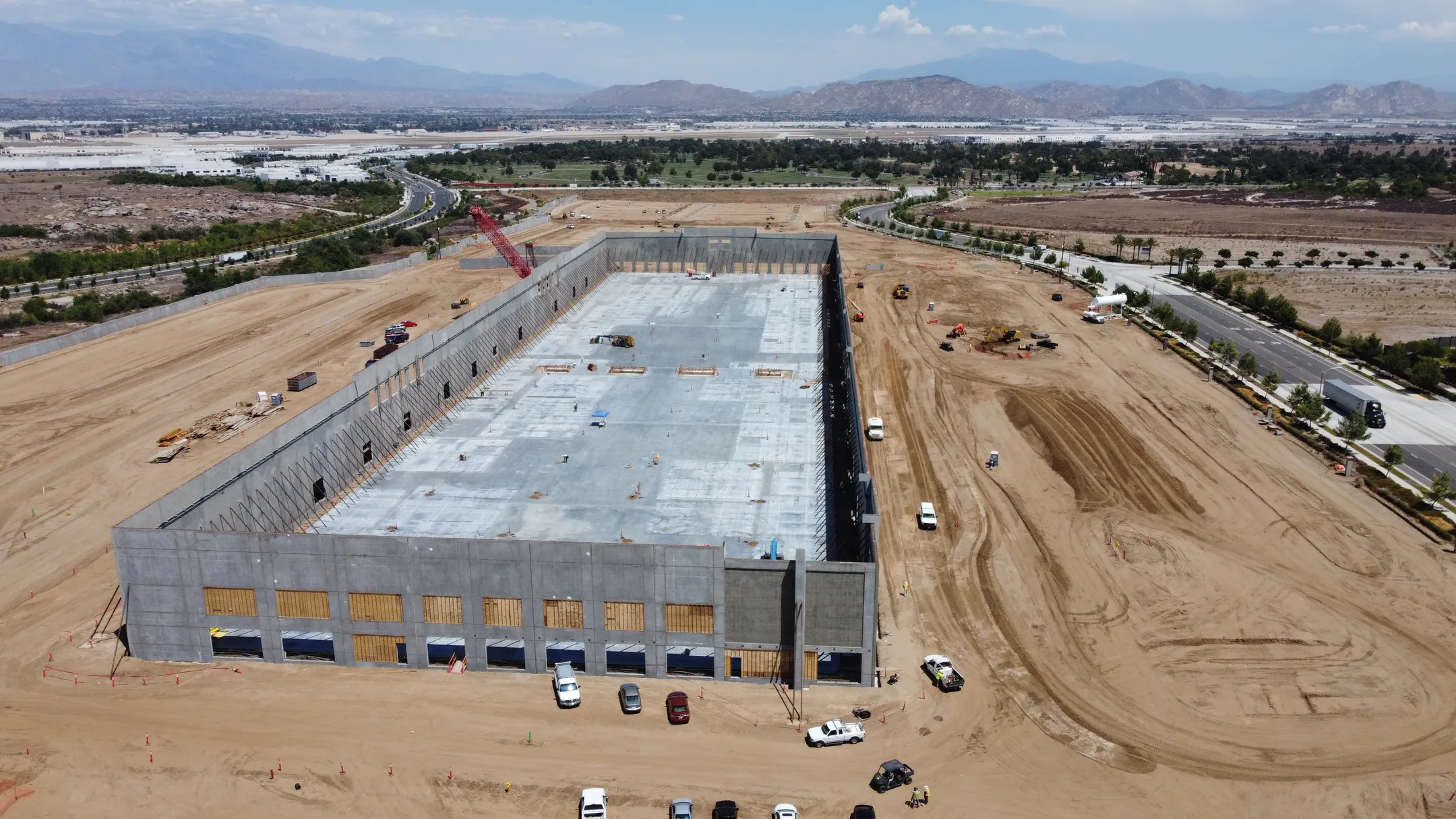
Warehouse Roofing starts with roof evidence around American Tobacco Campus roof access and tenant-hour limits. We make roof decisions readable for ownership groups that need budget clarity before authorizing field work.
Office Complex Roofing
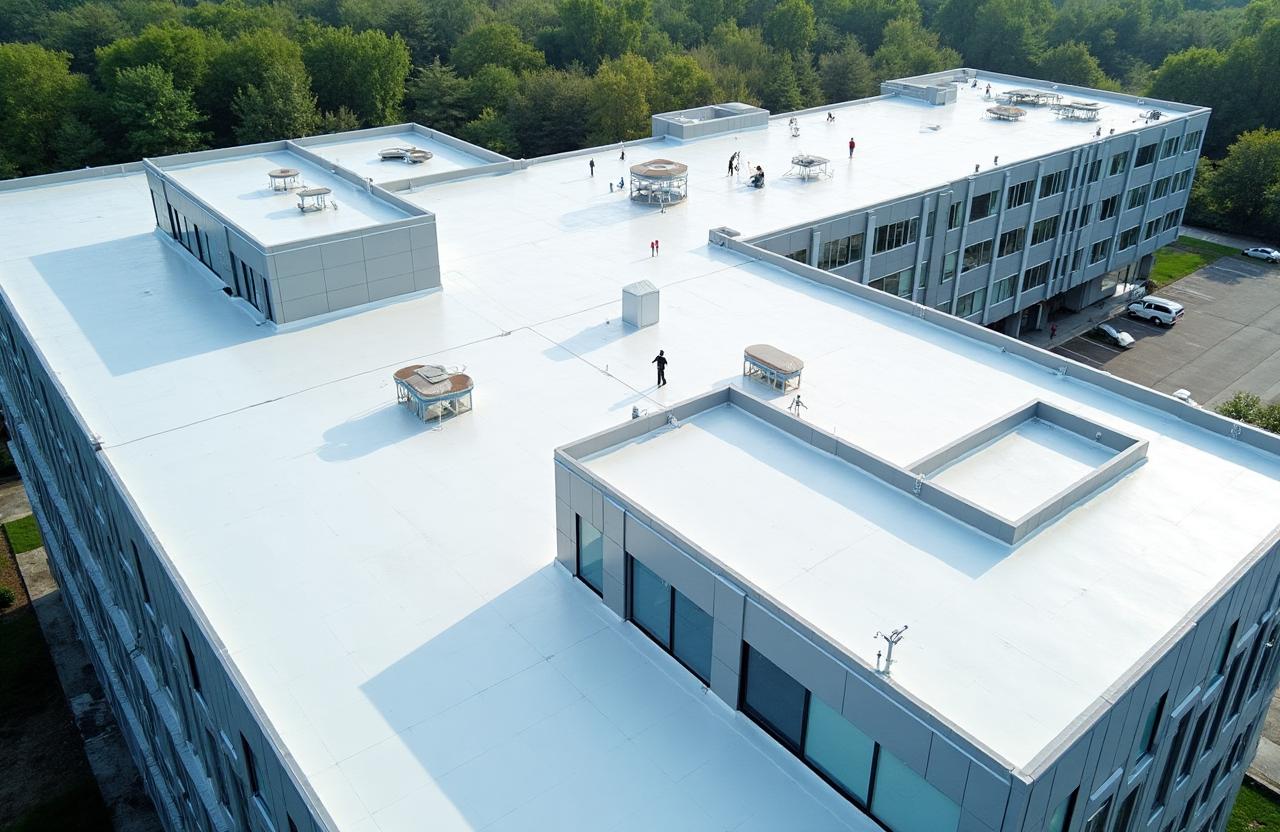
Office Complex Roofing starts with roof evidence around Golden Belt and Brightleaf adaptive-reuse roof details. We plan around the building's occupancy, access limits, roof equipment, loading areas, and operating hours.
Big-Box Retail Roofing
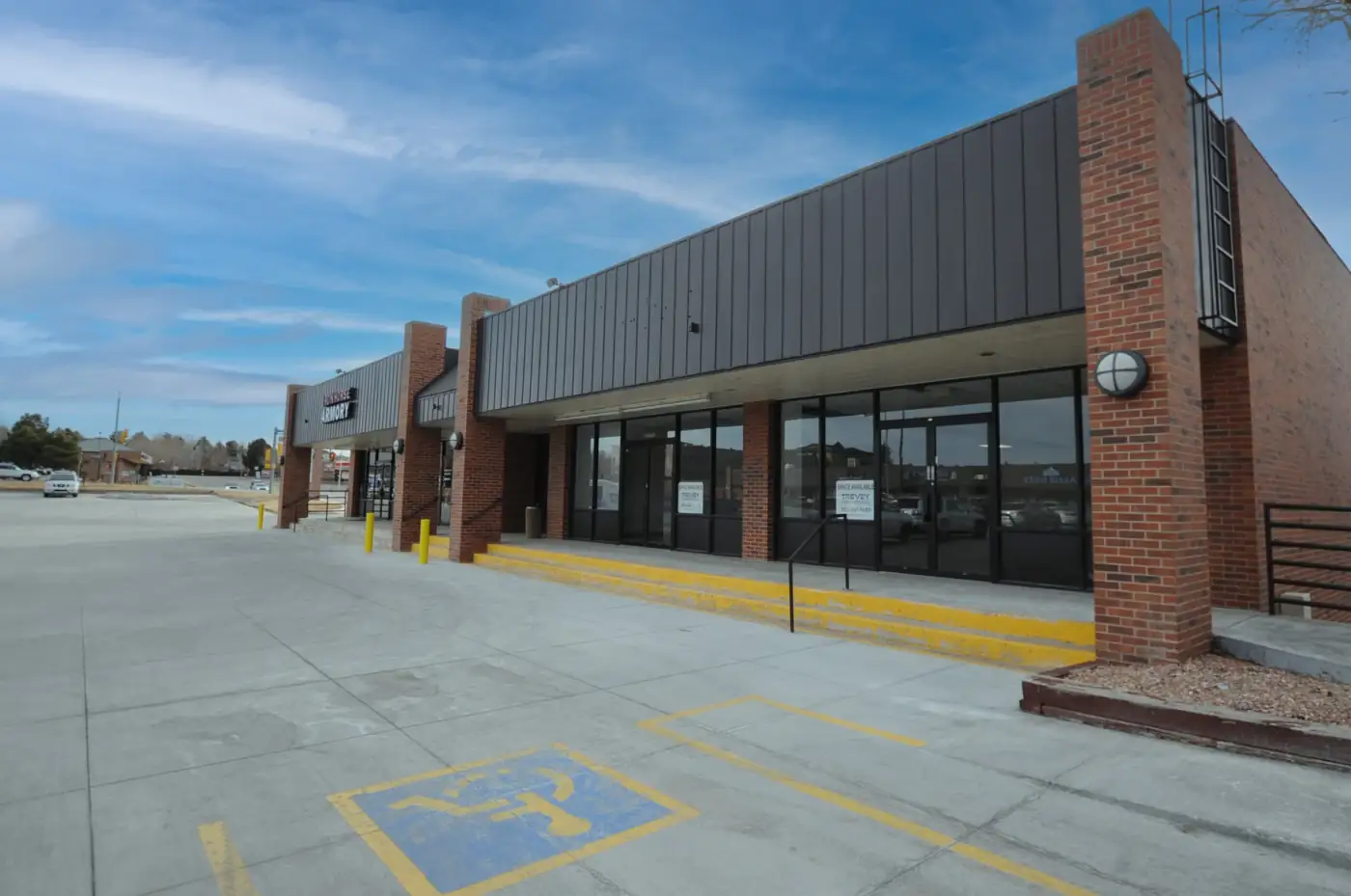
Big-Box Retail Roofing starts with roof evidence around American Tobacco Campus roof access and tenant-hour limits. We plan around the building's occupancy, access limits, roof equipment, loading areas, and operating hours.
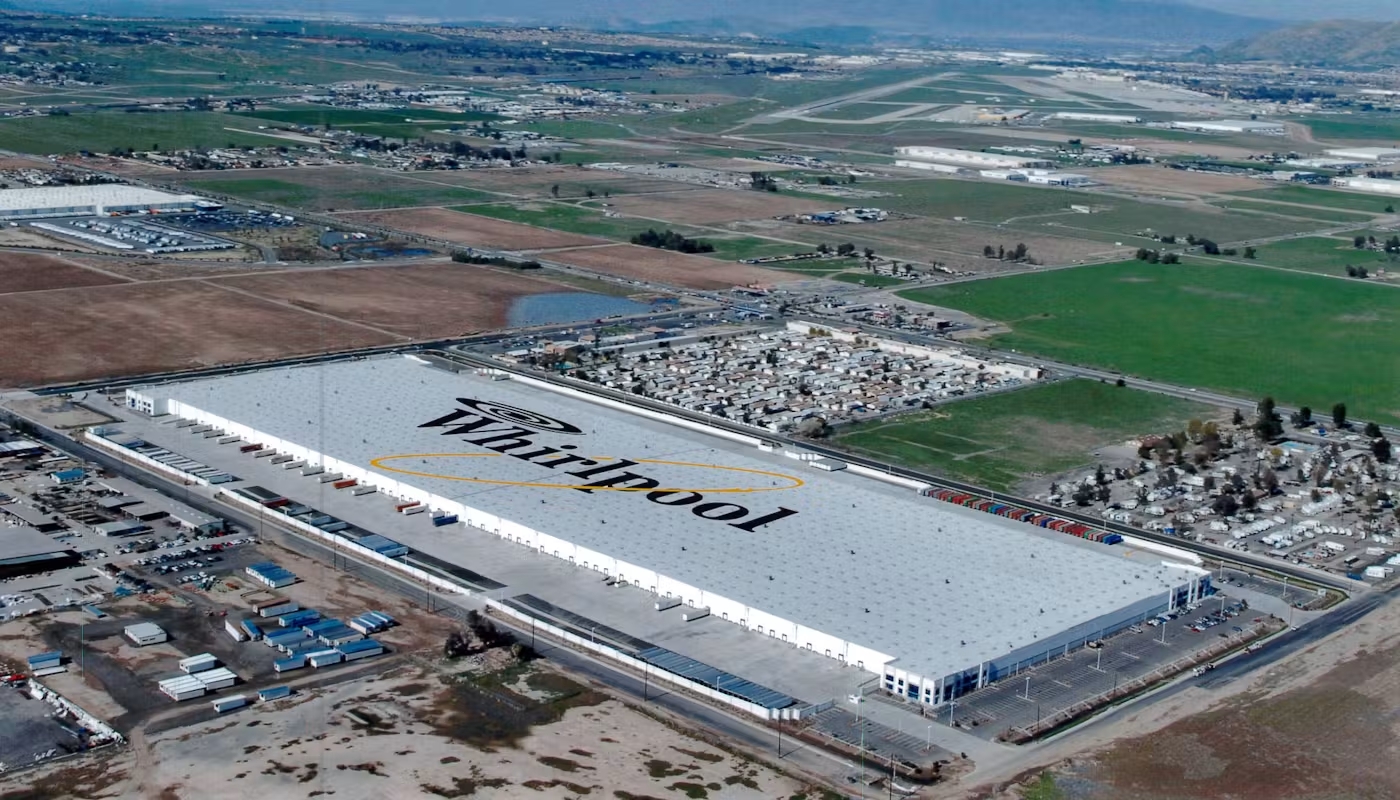
Distribution Center Roofing
Distribution Center Roofing starts with roof evidence around American Tobacco Campus roof access and tenant-hour limits. We make roof decisions readable for ownership groups that need budget clarity before authorizing field work.
Project Types
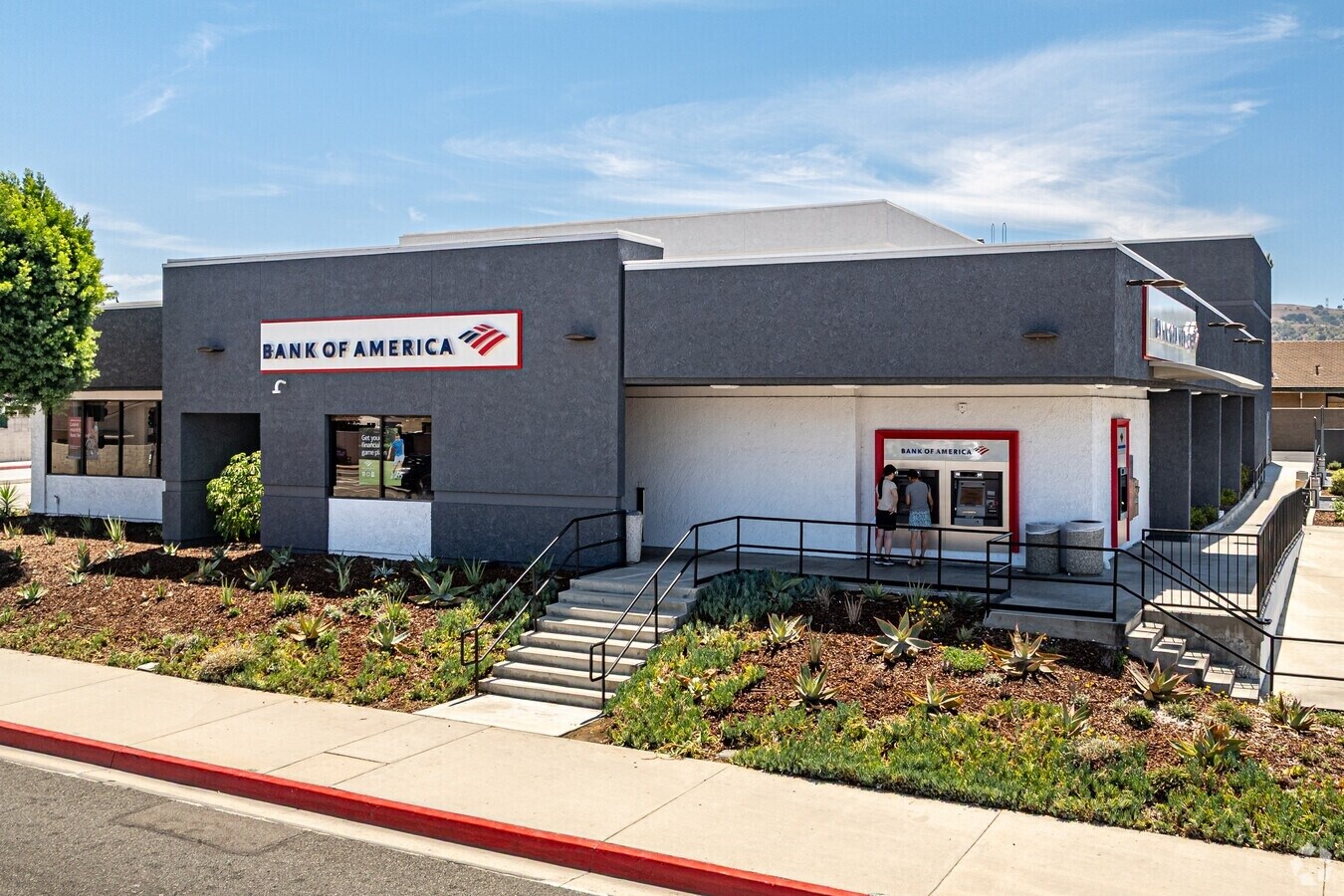
Roofing for Durham's bank branches, credit unions, and financial offices - small high-visibility flat roofs, drive-through canopies, security access, and business-hours work.
Small Roofs Where Everyone Is Watching
A bank branch is a small building that carries a lot of weight. The flat roof on a typical branch is only a few thousand square feet, but it sits on a high-visibility corner, the brand is on the line, and water intrusion below it lands on a teller line, a server closet, or a vault. There is no warehouse depth to hide a problem in. The scope here is less about acreage and more about precision: getting the details exactly right on a roof that is fully exposed to public view and parked over sensitive operations.
Durham's financial buildings run from the corporate towers and regional facilities downtown around the Five Points and Main Street core to the freestanding branches and credit unions lining the commuter corridors - the 15-501 stretch toward Southpoint, Roxboro and Guess Road on the north side, and the retail nodes feeding the Research Triangle Park workforce. SECU, Coastal and Self-Help credit unions, and the national branch networks all hold real estate across the county, and the building types range from a single drive-through branch to a multi-floor banking office with rooftop mechanical and a generator.
The Drive-Through Canopy Is the Usual Suspect
If a bank branch has a chronic leak, the canopy is where to look first. The drive-through canopy ties into the main building at a transition that takes constant punishment - thermal cycling as the metal canopy expands and contracts, differential settlement between the canopy structure and the building, and overspray from the lanes below. Standard retail flashing details were never built to hold that connection long-term, and replacing the field membrane over and over will never fix a leak that originates at the canopy-to-wall joint. We treat that transition as its own flashing item, evaluate it separately, and re-detail it for the movement it actually sees rather than rolling it into the field scope and hoping.
More Penetrations Than the Footprint Suggests
A small bank roof is rarely a clean plane. Drive-through canopy tie-ins, ATM kiosk enclosures, a generator with a rooftop exhaust, and precision cooling units serving the server and equipment rooms all create discrete penetrations packed into a tight footprint. Each one is a flashing detail that has to meet the membrane manufacturer's requirements, and on a roof this size there is no slack - a single neglected curb or a reused, undersized flashing is enough to put water over the data room. We document every penetration before pricing and bring each one up to a warrantable detail.
Security Shapes the Scope
Financial buildings carry access requirements that most commercial property types do not. Contractor badging, escort requirements near vault-adjacent areas, and security-camera documentation of crew activity are standard at bank-owned properties. We build the security coordination timeline into the bid schedule and the crew-credentialing requirements from the start, so badging lead time and escort windows are planned rather than discovered after the contract is signed. Where the roof plan puts work over or near a vault, we pull the locations from the building drawings ahead of time, sequence those zones into approved windows, and confirm with the security team that no active vault operation is affected by vibration or temporary access changes.
Working During Banking Hours
Branches operate on a strict schedule, typically Monday through Saturday, with customers and staff in the building during the day and sensitive operations running underneath. We concentrate active tear-off and installation in off-hours and weekend windows wherever the scope allows, hold noise down during customer-service hours, and confirm daily dry-in before the branch opens each morning. The branch manager and the corporate facilities team get a clear work-window plan up front so the lobby experience and the drive-through lanes keep running while the roof gets done.
System Choices and the Closeout Package
On these small, high-visibility roofs we lean toward fully adhered single-ply - 60-mil PVC or TPO - for its clean appearance, its resistance to the chemical and detergent overspray that drifts off drive-through and ATM areas, and the watertight margin an adhered field gives over a building full of sensitive equipment. Where a parapet hides the roof from street view, a mechanically attached system can be the economical choice. Either way, the project closes with the documentation a corporate real estate department expects: contractor insurance and license verification before mobilizing, a pre-construction safety plan, daily work and dry-in reports, the manufacturer warranty registered in the owner's name, and the final permit and inspection package. For institutions running multiple branches, we provide consistent scoping, documentation, and pricing across the portfolio with a single project-management contact for the facilities team.
Bank & Financial Building Roofing Questions
We concentrate active tear-off and installation in off-hours and weekend windows wherever the scope allows, with daily dry-in confirmed before the branch opens each morning. Work windows, noise limits during customer-service hours, and any security escort requirements for roof access are coordinated with the branch manager and corporate facilities team up front.
The canopy transition is treated as its own flashing item, not rolled into the field membrane. The joint where the canopy meets the building wall is evaluated separately and, if deteriorated, re-detailed for the thermal movement and differential settlement it experiences. It is the most common chronic leak source on bank branches and is never fixed by replacing the field membrane alone.
Corporate banking real estate departments typically require contractor insurance certificates and license verification before mobilization, a pre-construction safety plan, daily work and dry-in reports, manufacturer warranty registration in the owner's name, and a final permit and inspection package. We provide all of it and work within each institution's vendor-management process for approved-contractor registration.
Yes. Vault-adjacent work is common and manageable with pre-coordination. We identify vault locations from the building drawings before mobilizing, sequence those roof zones into approved windows, and confirm with the security team that no active vault operation is affected by vibration or temporary access changes during the work.
Yes. Portfolio programs - from a regional credit union with a handful of branches to a national network with locations across North Carolina - are a regular part of our work. We provide standardized scoping, documentation, and pricing across the portfolio with a single project-management contact for the corporate facilities team.
Commercial Roofing of Durham
Bank & Financial Building Roofing Questions
How do you schedule roofing work around bank operating hours?
We concentrate active tear-off and installation in off-hours and weekend windows wherever the scope allows, with daily dry-in confirmed before the branch opens each morning. Work windows, noise limits during customer-service hours, and any security escort requirements for roof access are coordinated with the branch manager and corporate facilities team up front.
How do you handle the drive-through canopy-to-building connection?
The canopy transition is treated as its own flashing item, not rolled into the field membrane. The joint where the canopy meets the building wall is evaluated separately and, if deteriorated, re-detailed for the thermal movement and differential settlement it experiences. It is the most common chronic leak source on bank branches and is never fixed by replacing the field membrane alone.
What documentation do financial institutions require?
Corporate banking real estate departments typically require contractor insurance certificates and license verification before mobilization, a pre-construction safety plan, daily work and dry-in reports, manufacturer warranty registration in the owner's name, and a final permit and inspection package. We provide all of it and work within each institution's vendor-management process for approved-contractor registration.
Can you work on buildings with active vaults or security-sensitive areas below?
Yes. Vault-adjacent work is common and manageable with pre-coordination. We identify vault locations from the building drawings before mobilizing, sequence those roof zones into approved windows, and confirm with the security team that no active vault operation is affected by vibration or temporary access changes during the work.
Do you handle multi-site bank roofing programs?
Yes. Portfolio programs - from a regional credit union with a handful of branches to a national network with locations across North Carolina - are a regular part of our work. We provide standardized scoping, documentation, and pricing across the portfolio with a single project-management contact for the corporate facilities team.