Automotive Manufacturing Facility Roofing in Durham, NC
We handle automotive manufacturing facility roofing by starting with the roof evidence owners can act on: photos, access limits, drainage notes, wet-area clues, and the operating constraints around Duke Health and Duke University occupied-building constraints.
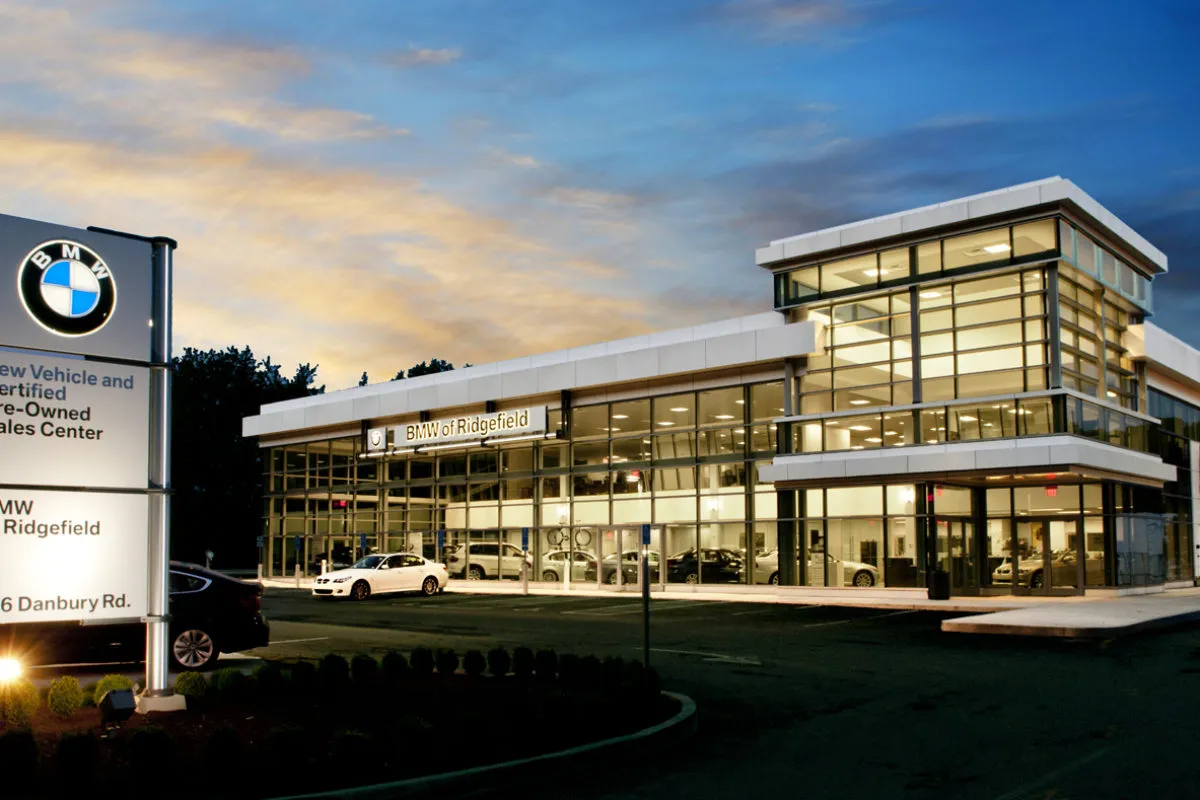
Fast answers still need roof evidence.
We make roof decisions readable for ownership groups that need budget clarity before authorizing field work. Around Treyburn and Ellis Road industrial roof areas and humid Piedmont summers and quick freeze-thaw swings, the right scope often depends on timing as much as material choice.
Start ReviewWhat gets checked.
We plan around the building's occupancy, access limits, roof equipment, loading areas, and operating hours. The recommendation stays practical: what should be controlled now, what needs pricing, and what deserves a capital plan before the next weather window.
We look at membrane seams, roof drains, edge metal, penetrations, rooftop units, previous repairs, and safe access before pricing work.
What owners receive.
A written scope with photos, limits, schedule notes, and a practical recommendation for repair, recovery, coating, or replacement.
Contact UsRelated Roof Paths
Compare the next decision.
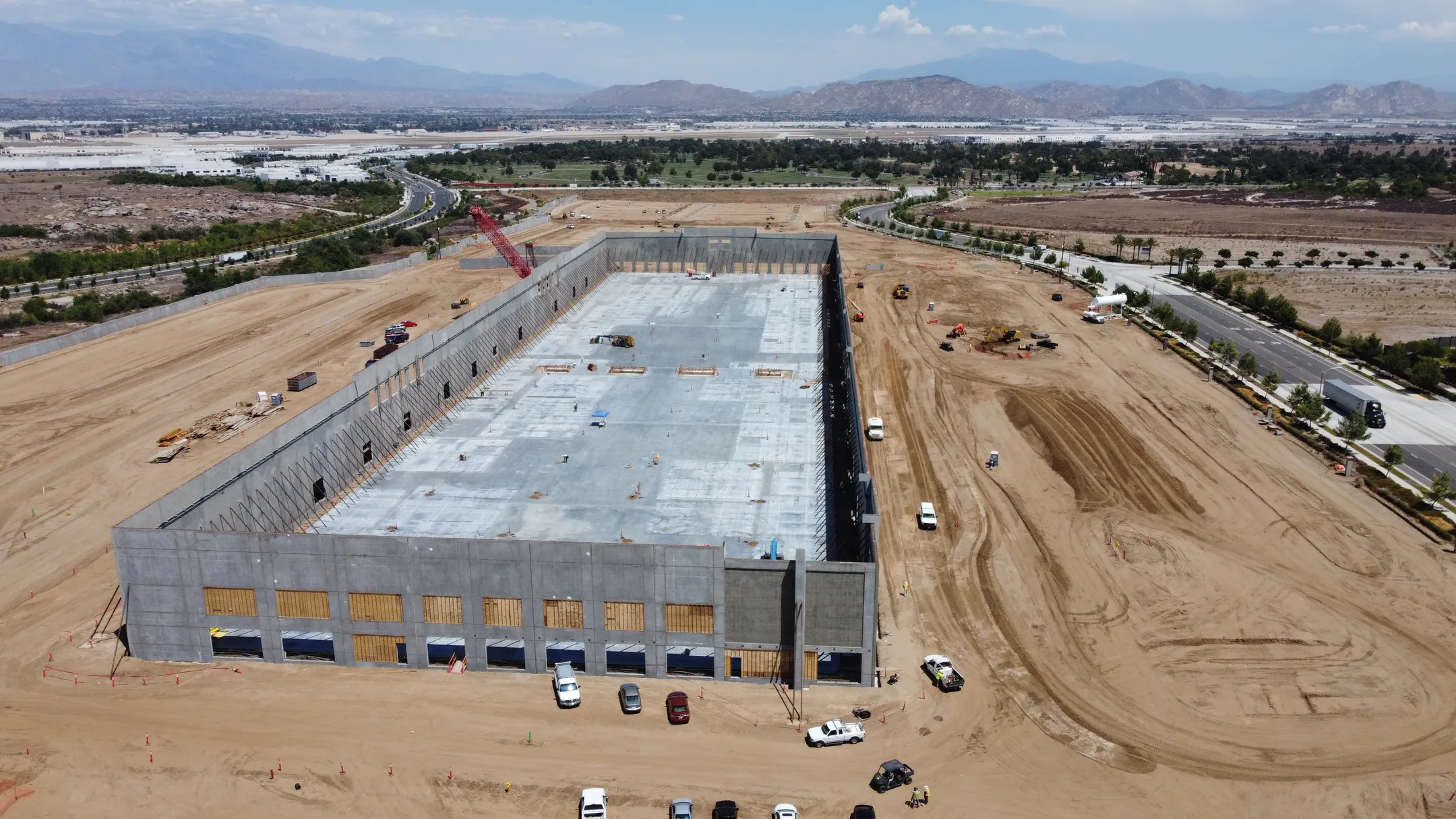
Warehouse Roofing
Warehouse Roofing starts with roof evidence around American Tobacco Campus roof access and tenant-hour limits. We make roof decisions readable for ownership groups that need budget clarity before authorizing field work.
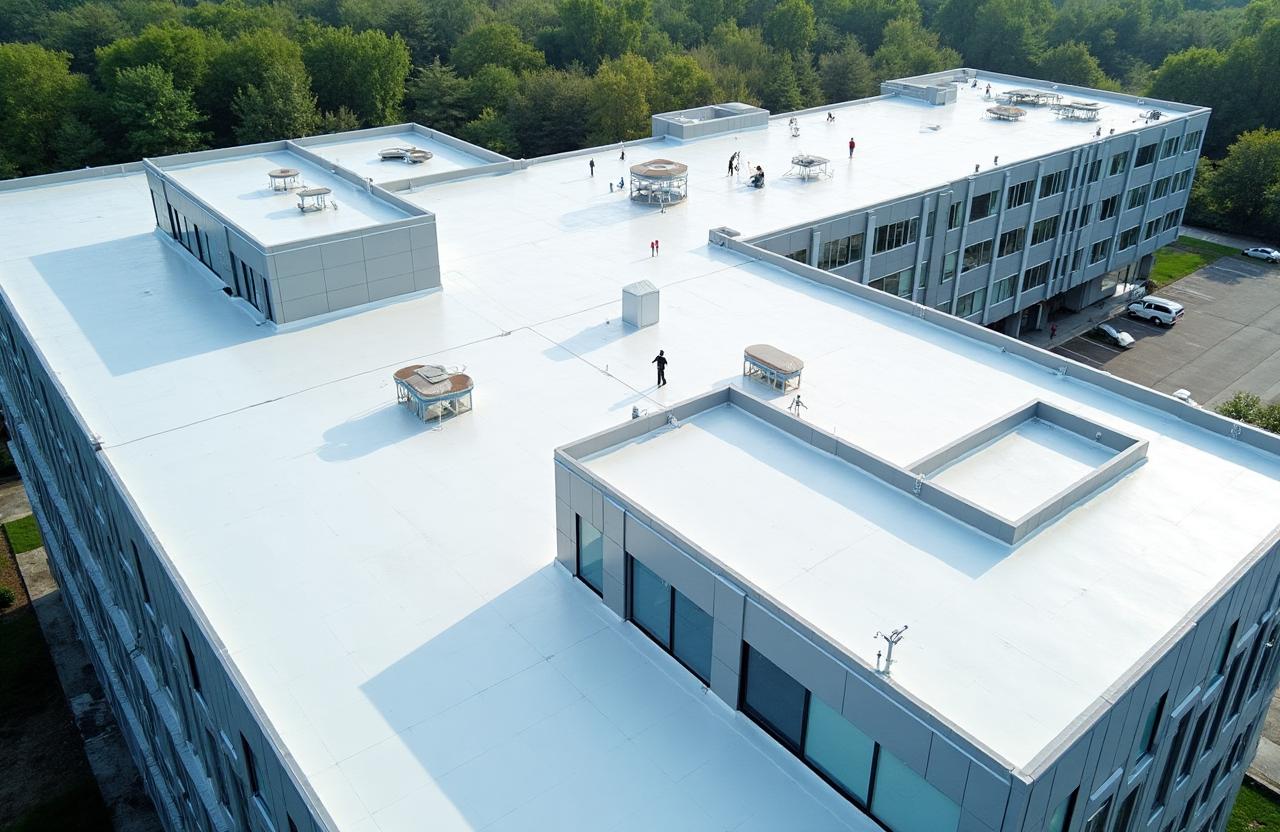
Office Complex Roofing
Office Complex Roofing starts with roof evidence around Golden Belt and Brightleaf adaptive-reuse roof details. We plan around the building's occupancy, access limits, roof equipment, loading areas, and operating hours.
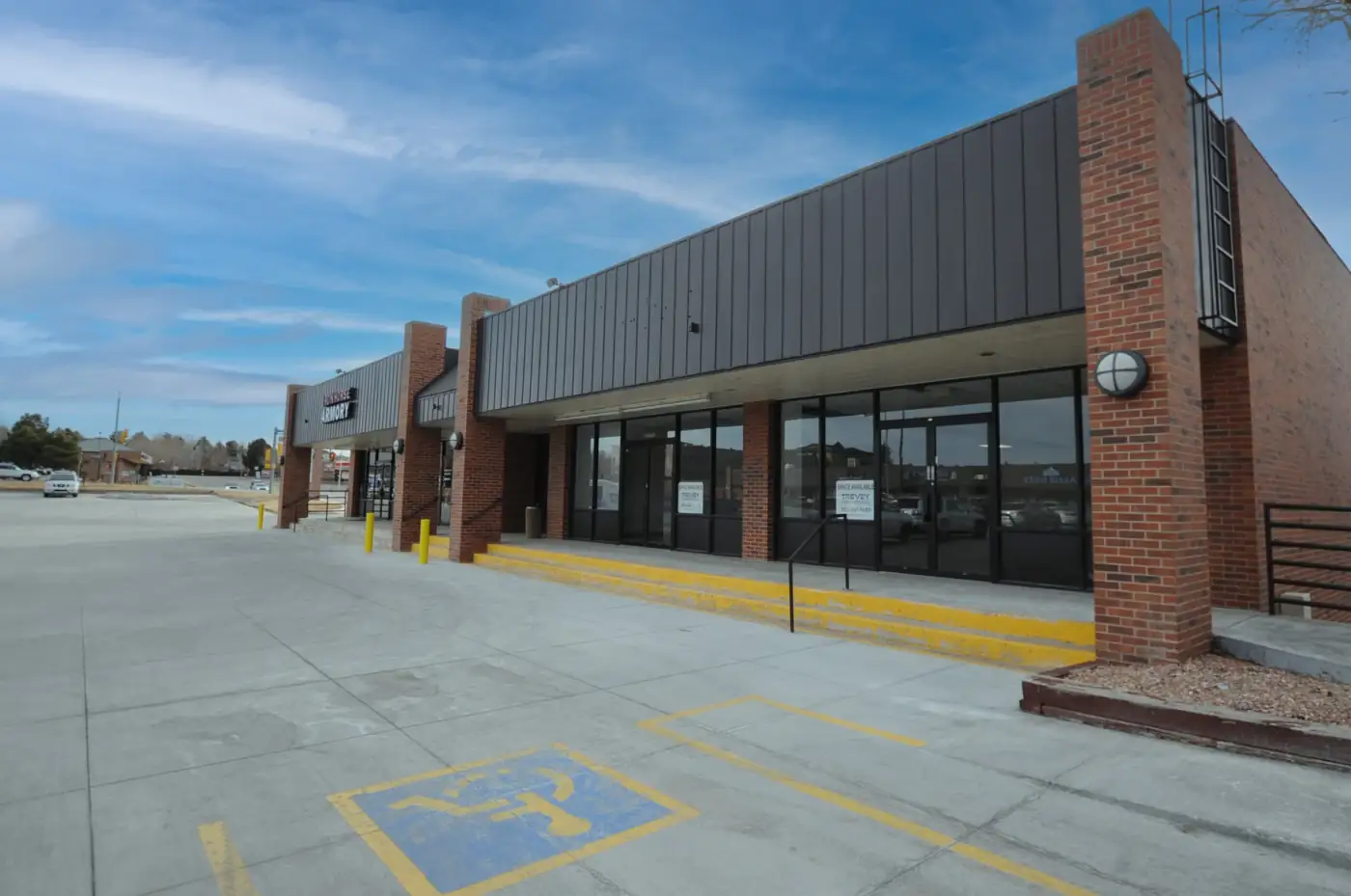
Big-Box Retail Roofing
Big-Box Retail Roofing starts with roof evidence around American Tobacco Campus roof access and tenant-hour limits. We plan around the building's occupancy, access limits, roof equipment, loading areas, and operating hours.
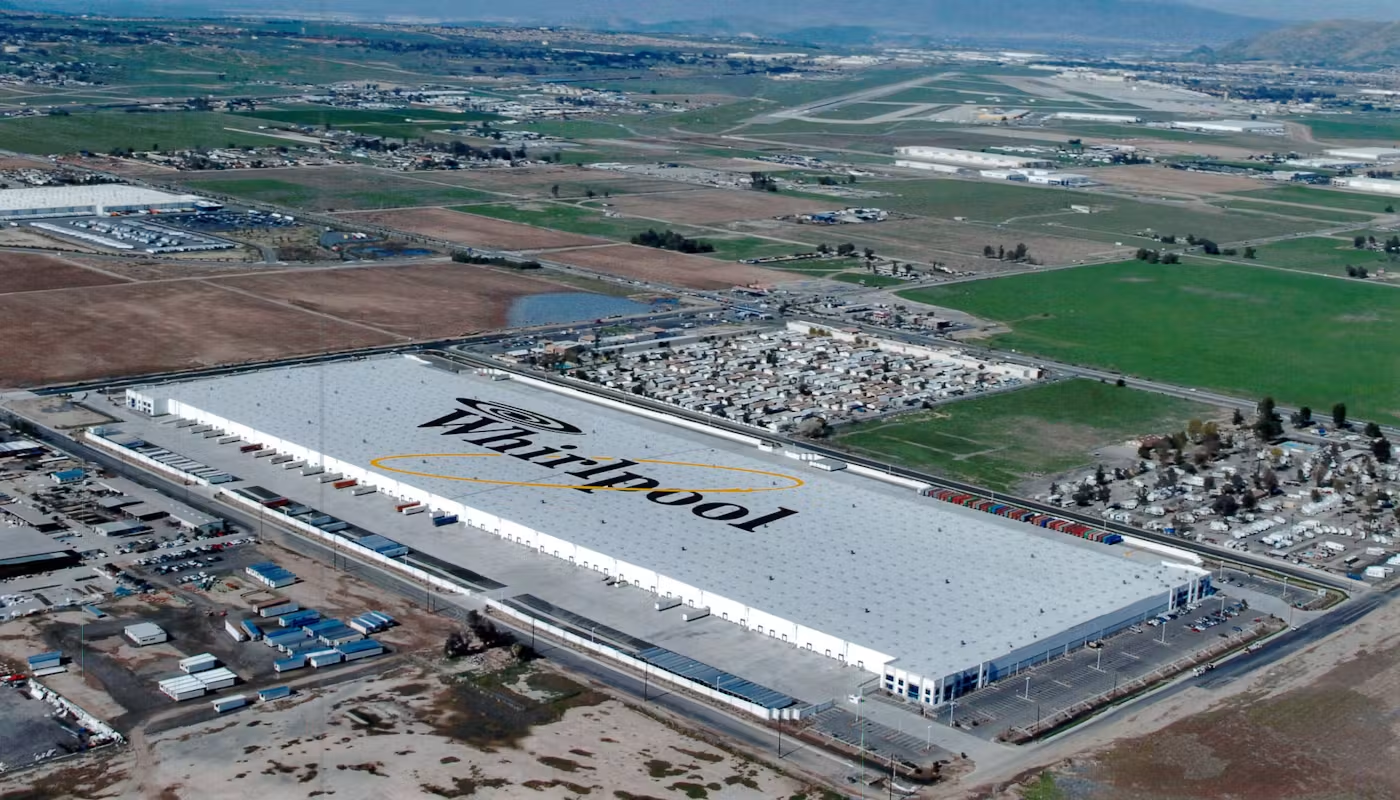
Distribution Center Roofing
Distribution Center Roofing starts with roof evidence around American Tobacco Campus roof access and tenant-hour limits. We make roof decisions readable for ownership groups that need budget clarity before authorizing field work.
Project Types
Roofing for assembly plants, stamping and powertrain facilities, and Tier 1 suppliers in the Durham region, planned around continuous production and acres of roof.
Scale and uptime are the whole job
Automotive manufacturing roofing operates under pressures most commercial projects never see. Assembly plants, stamping operations, engine and transmission facilities, and the Tier 1 and Tier 2 suppliers that feed them run continuous multi-shift production, and a roofing-related interruption carries a cost-per-hour the plant's facility engineering team can quote you to the dollar. The supplier base around Durham draws on the manufacturing labor and logistics built up through Research Triangle Park, the freight access along I-85 and the Durham Freeway, and the heavy-industrial zoning of the East Durham and Cornwallis Road corridors. Whatever the product, two facts shape every decision: the roof is enormous, and the line below cannot stop.
That cost-per-hour number is not a talking point to us; it is the design constraint. It dictates how we phase, how we mobilize, how we stage material, and how we protect the building every single shift.
Acres of roof demand real phasing
Automotive plants carry some of the largest single-envelope roof decks in commercial construction, often hundreds of thousands to a few million square feet under one roof. You cannot tear off and dry in a roof that size as one operation. We section it into manageable zones, sequence tear-off and material delivery to stay inside crane reach and on-site storage limits, and keep production running in adjacent zones while the active phase proceeds. The logistics, where the loader sits, how membrane gets to the work face, how debris leaves without crossing a live area, are what separate a clean automotive reroof from one that disrupts the line.
Paint shops rewrite the hot-work rules
The paint shop is the most safety-sensitive roof zone on the plant. Paint operations release solvent vapor and carry fire-suppression requirements that directly govern how we attach the roof above and around them. Open-flame torch application and solvent-based adhesives are off the table over active paint operations; we specify cold adhesive or mechanical attachment in those zones instead. Before anyone sets foot on a paint-adjacent section we build a hot-work plan with the plant's environmental health and safety team, and torch, grinder, and welding restrictions are confirmed and permitted up front rather than discovered mid-job.
Ventilation and process loads on the deck
An automotive plant breathes through its roof. Weld-fume extraction, paint-booth makeup air and exhaust, and general plant ventilation pierce the deck with large units and ducts that each need an engineered curb and flashing, and many of those exhaust streams carry their own corrosion or fire considerations. The equipment is heavy, and so is the process machinery it serves, so we confirm the existing deck and structure can carry both the rooftop units and any new tapered insulation before we set an insulation thickness. On plants with documented drainage problems we build tapered systems into the affected zones to kill the ponding that ages a membrane prematurely.
Vibration is a roofing problem too
Stamping presses, casting equipment, and powertrain machining transmit vibration up into the deck, and at the frequencies a large stamping line produces, that vibration can fatigue membrane seams and flashings that were welded or bonded as if the building sat still. Standard seam design is fine for most commercial buildings; it is not automatically fine over a press line. We account for vibration exposure in the membrane selection and the welding procedure for press-adjacent zones, so the seams that hold the roof together are built for the building that is actually moving underneath them. Across most of the plant, 60-mil or 80-mil TPO mechanically attached is the workhorse spec, with fully adhered systems where hot-work exclusions rule out fasteners.
Skylights, smoke vents, and fall protection
A plant roof this large is also a working surface dotted with hazards. Smoke and heat vents tied into the fire-protection design, skylights and translucent panels feeding daylight to the floor, and the sheer expanse of unguarded edge all factor into how we set up. Skylights and smoke vents are common leak and safety points as they age, so we evaluate and reflash or replace failing units rather than roofing around them, and we coordinate any work on fire-rated vents with the plant so the life-safety system stays intact. Crew safety on acres of roof is its own plan: guarded edges, marked walk paths clear of fragile panels, and staging that keeps personnel and material away from live skylight openings. None of that is incidental on a building where a single roof can run a quarter mile end to end.
Coordinated like a plant operation
We run these projects the way the plant runs: on a schedule, with communication. Before mobilization we document the shift schedule with facility engineering, map which roof zones sit over active lines, and build a zone-by-zone phasing plan that keeps work clear of live production. Dry-in is confirmed before every shift change, and we keep a direct line to the maintenance foreman throughout. Tier 1 and Tier 2 suppliers get the same treatment, with extra attention to the just-in-time delivery schedules that give them zero tolerance for a stoppage. Closeout is delivered in the format the plant's engineering department requires: safety qualifications, the site-specific safety plan, OSHA log summary, warranty registration, a roof-zone diagram with a penetration inventory, daily reports, permits, and a photographed condition survey.
Automotive Manufacturing Roofing Questions
How do you avoid disrupting an active assembly plant?
Production continuity governs every decision. We document the shift schedule with facility engineering, map the zones over active lines, and phase the work zone by zone to stay clear of live production, confirming dry-in before each shift change and keeping a direct line to the maintenance foreman.
How do you handle hot-work over the paint shop?
Torch work, grinders, and welding over or adjacent to paint operations require EHS pre-approval, so we build the hot-work permit plan in pre-construction and specify cold adhesive or mechanical attachment where torch exclusions apply. These are standard planning items, not surprises.
What membrane do you use on large-span plant roofs?
60-mil or 80-mil TPO mechanically attached is the most common spec, with fully adhered systems in paint-shop zones where fastener patterns conflict with hot-work rules. We confirm existing deck capacity before setting insulation thickness and add tapered insulation where drainage is deficient.
Do you work on Tier 1 and Tier 2 supplier plants?
Yes. Suppliers face the same operational coordination as OEM plants, often with tighter just-in-time pressure, so we document the production schedule, sequence the work around it, and maintain daily communication with the plant's facilities contact.