REIT Roofing Services in Durham, NC
We handle REIT roofing services by starting with the roof evidence owners can act on: photos, access limits, drainage notes, wet-area clues, and the operating constraints around Downtown Durham storm-drain and rooftop-equipment density.
Fast answers still need roof evidence.
We help facilities teams compare immediate repair pressure against long-term roof planning. Around Golden Belt and Brightleaf adaptive-reuse roof details and Research Triangle Park lab and office schedules, the right scope often depends on timing as much as material choice.
Start ReviewWhat gets checked.
We keep roof communication direct for operators who need documentation, schedule discipline, and clear next steps. The recommendation stays practical: what should be controlled now, what needs pricing, and what deserves a capital plan before the next weather window.
We look at membrane seams, roof drains, edge metal, penetrations, rooftop units, previous repairs, and safe access before pricing work.
What owners receive.
A written scope with photos, limits, schedule notes, and a practical recommendation for repair, recovery, coating, or replacement.
Contact UsRelated Roof Paths
Compare the next decision.
Property Management Firm Roofing
Property Management Firm Roofing starts with roof evidence around American Tobacco Campus roof access and tenant-hour limits. We keep roof communication direct for operators who need documentation, schedule discipline, and clear next steps.
Commercial Real Estate and REIT Roofing
Commercial Real Estate and REIT Roofing starts with roof evidence around Research Triangle Park lab and office schedules. We keep roof communication direct for operators who need documentation, schedule discipline, and clear next steps.
Logistics and 3PL Roofing
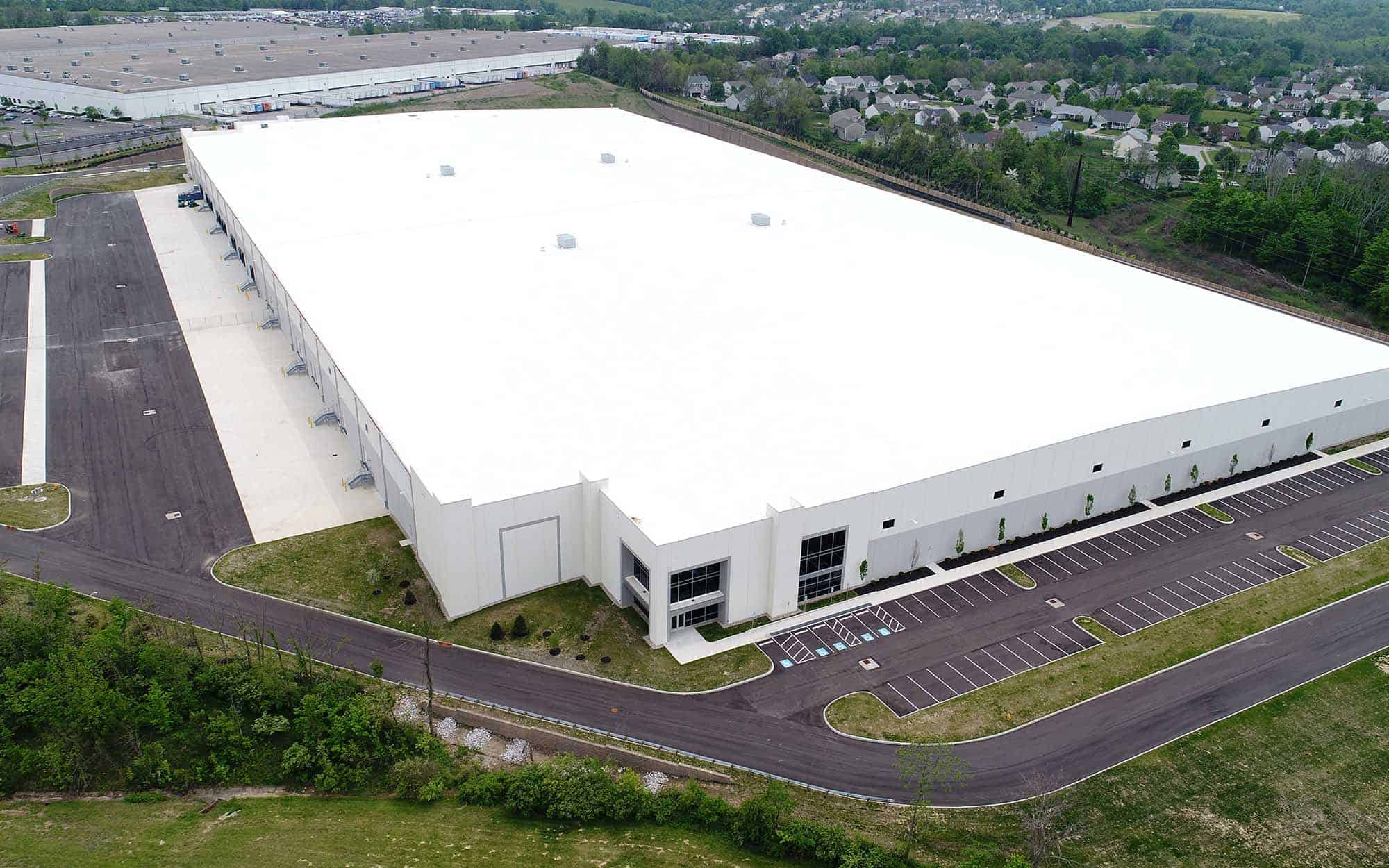
Logistics and 3PL Roofing starts with roof evidence around Treyburn and Ellis Road industrial roof areas. We tailor the scope to business continuity, tenant communication, access control, and the roof system already in place.
Manufacturing Operator Roofing
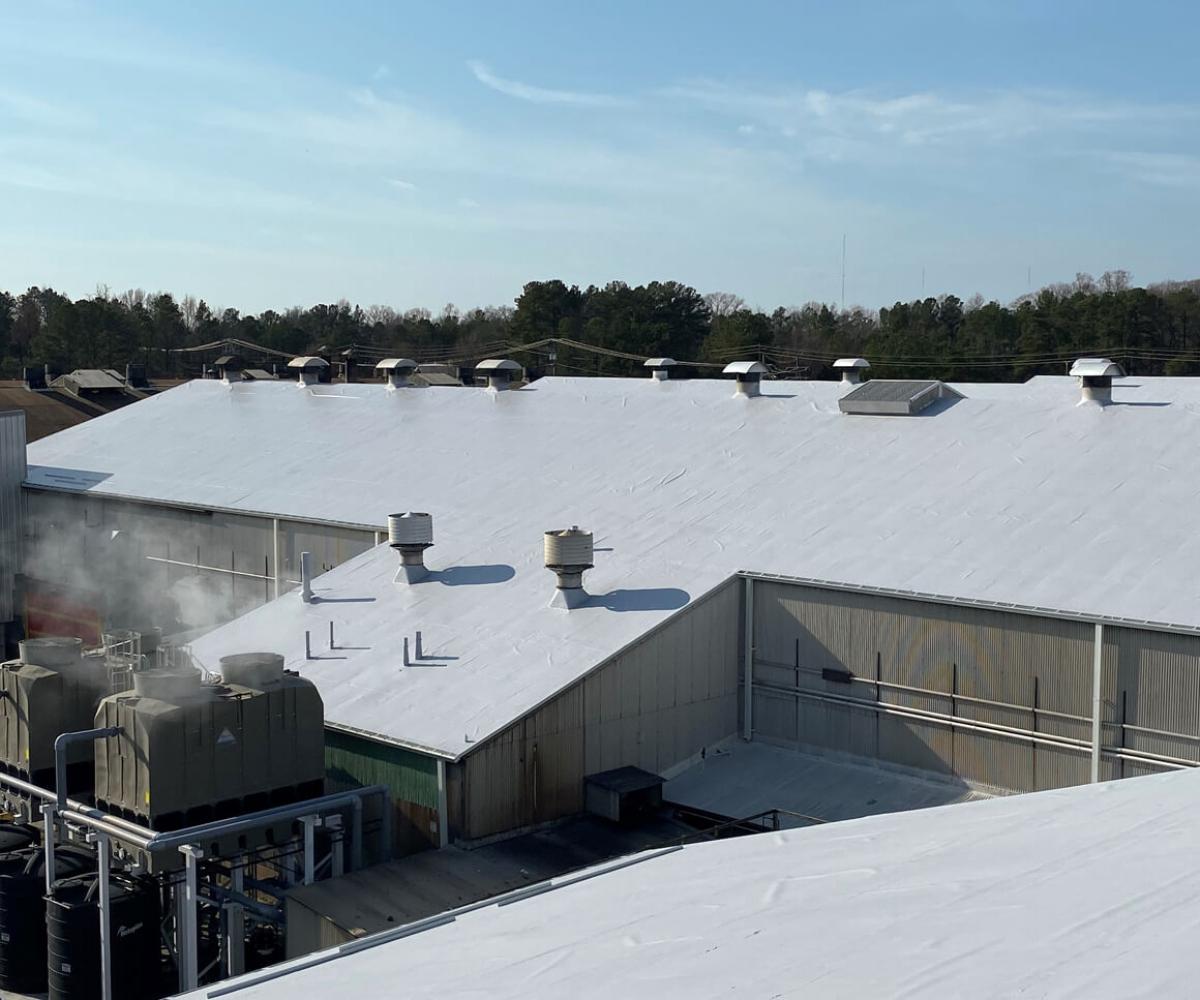
Manufacturing Operator Roofing starts with roof evidence around Research Triangle Park lab and office schedules. We help facilities teams compare immediate repair pressure against long-term roof planning.
Industries
Commercial Real Estate and REIT Roofing for commercial buildings across Durham, Research Triangle Park, Chapel Hill, Raleigh, and the greater Triangle commercial corridor.
Durham has transformed over the past two decades from a tobacco and textile industry city into one of the Southeast's most dynamic knowledge-economy markets, powered by Duke University, Duke Health, and the Research Triangle Park concentration of technology, pharmaceutical, and life sciences employers. Highwoods Properties, which manages office and mixed-use assets across the Southeast including the Triangle market, holds significant Durham area assets and exemplifies the institutional ownership profile that the market's growth has attracted. For REIT asset managers with Durham portfolios, roofing presents capital planning requirements shaped by a climate that combines North Carolina's humid subtropical conditions with an exposure to heavy rainfall and periodic tropical storm activity that makes drainage system performance and membrane integrity critical to NOI protection.
Durham's climate creates a roofing environment where moisture management is the defining challenge. The city receives approximately 47 inches of annual rainfall, much of it concentrated in summer thunderstorm events that can deliver three to four inches in a single afternoon. North Carolina sits within the track of Atlantic hurricane remnants and tropical systems that occasionally produce multi-day heavy rainfall events capable of overwhelming drainage systems on commercial flat roofs that were functioning adequately under normal rainfall patterns. REIT asset managers who treat Durham roofing as a straightforward warm-weather maintenance category discover after the first major tropical rain event that drainage capacity and membrane integrity under sustained hydraulic loading are meaningfully different from performance under normal conditions.
Durham's life sciences and research real estate sector has attracted sustained REIT interest, with properties serving Duke Health's research affiliates, pharmaceutical companies, and biotechnology tenants in Research Triangle Park and the growing Innovation District. These properties carry elevated roofing standards because a leak event in a laboratory or cleanroom environment creates liability and operational disruption costs that are exponentially higher than those in a standard office building. REIT owners of life sciences real estate in Durham need a preferred vendor who understands these elevated standards, can maintain the complex penetration and HVAC systems that characterize lab buildings, and can provide the waterproofing documentation that life sciences tenants include in their facility requirements.
Property condition assessments for Durham acquisitions need to pay particular attention to drainage system design and condition. The commercial office and flex-industrial inventory in the Triangle market includes significant 1980s and 1990s vintage properties where original drain systems were designed for rainfall rates that have been exceeded by the more intense storm events that have characterized the Southeast over the past decade. A PCA that identifies undersized or partially blocked drainage as a risk factor is providing genuinely useful acquisition due diligence; a PCA that assumes adequate drainage based on design specifications without assessing current condition and current rainfall patterns is leaving the acquirer exposed to the flooding risk that undersized drainage creates.
Durham's real estate market has experienced rapid rent growth as Research Triangle Park has attracted major technology and pharmaceutical investments and as Duke University's expansion has driven ancillary commercial development. REIT acquisitions in this growth environment have frequently occurred at compressed cap rates, which increases the NOI sensitivity of every unplanned maintenance event. A roof failure that triggers a tenant rent abatement clause on a Durham life sciences or office building acquired at a 4.5 percent cap rate has a proportionally larger impact on the investment's return profile than the same event on a property acquired at a higher yield. Protecting NOI on compressed-cap-rate acquisitions requires treating roofing as an asset protection investment rather than a maintenance cost center.
The CapEx versus OpEx treatment of Durham roofing work follows standard REIT accounting principles, but the life sciences building type creates additional complexity. The mechanical and electrical systems on research buildings are often integrated with roofing in ways that make membrane work and system work interdependent - replacing an HVAC unit on a research building may require membrane work at the curb that changes the character of the roofing project from routine maintenance to capital improvement. A preferred vendor who understands these interactions and scopes work accordingly helps asset managers avoid the accounting treatment surprises that come from discovering mid-project that a maintenance task has become a capital project.
Highwoods and similar office REIT owners in Durham typically carry gross lease structures on their office and flex portfolios, which means every roofing maintenance cost flows directly to the property's operating expense and reduces NOI with no tenant offset. This structure makes annual preventive maintenance a direct NOI optimization tool - the cost of a leak event that generates interior remediation, tenant disruption, and potential rent concession costs is reliably higher than the cost of the preventive maintenance program that prevents it. For a Durham office portfolio where tenant credit quality is high and the cost of a lease disruption extends well beyond the immediate repair cost, the ROI on preventive roofing maintenance is among the clearest in commercial real estate.
Durham's proximity to the coast means that major Atlantic hurricane systems can affect the Triangle market even when they do not make direct landfall nearby. Tropical storm remnants frequently produce multi-day rainfall events across central North Carolina with hourly intensity well above what the drainage systems on standard commercial roofs can handle. REIT asset managers with Durham portfolios should include a pre-hurricane-season roof inspection in their annual maintenance schedule - completing drain cleaning, penetration re-sealing, and any identified vulnerability repairs before the June 1 season opening ensures that the portfolio is in the best possible condition when the first significant tropical system of the season tests it.
Investor reporting for Durham life sciences and office portfolios requires capital projections that reflect the premium replacement costs that specialized building types carry. Life sciences roofing work on buildings with clean room environments, specialized HVAC penetrations, and elevated waterproofing standards costs meaningfully more per square foot than standard commercial roofing. Reserve models for these assets built on standard commercial cost benchmarks will be underfunded. A preferred vendor with Durham life sciences roofing experience can provide cost estimates that reflect the actual complexity of these building types, giving the financial team the accurate data needed for credible investor reporting.