
Data Center Roofing in Durham, NC
We handle data center roofing by starting with the roof evidence owners can act on: photos, access limits, drainage notes, wet-area clues, and the operating constraints around NC-147 and I-40 service-window planning.
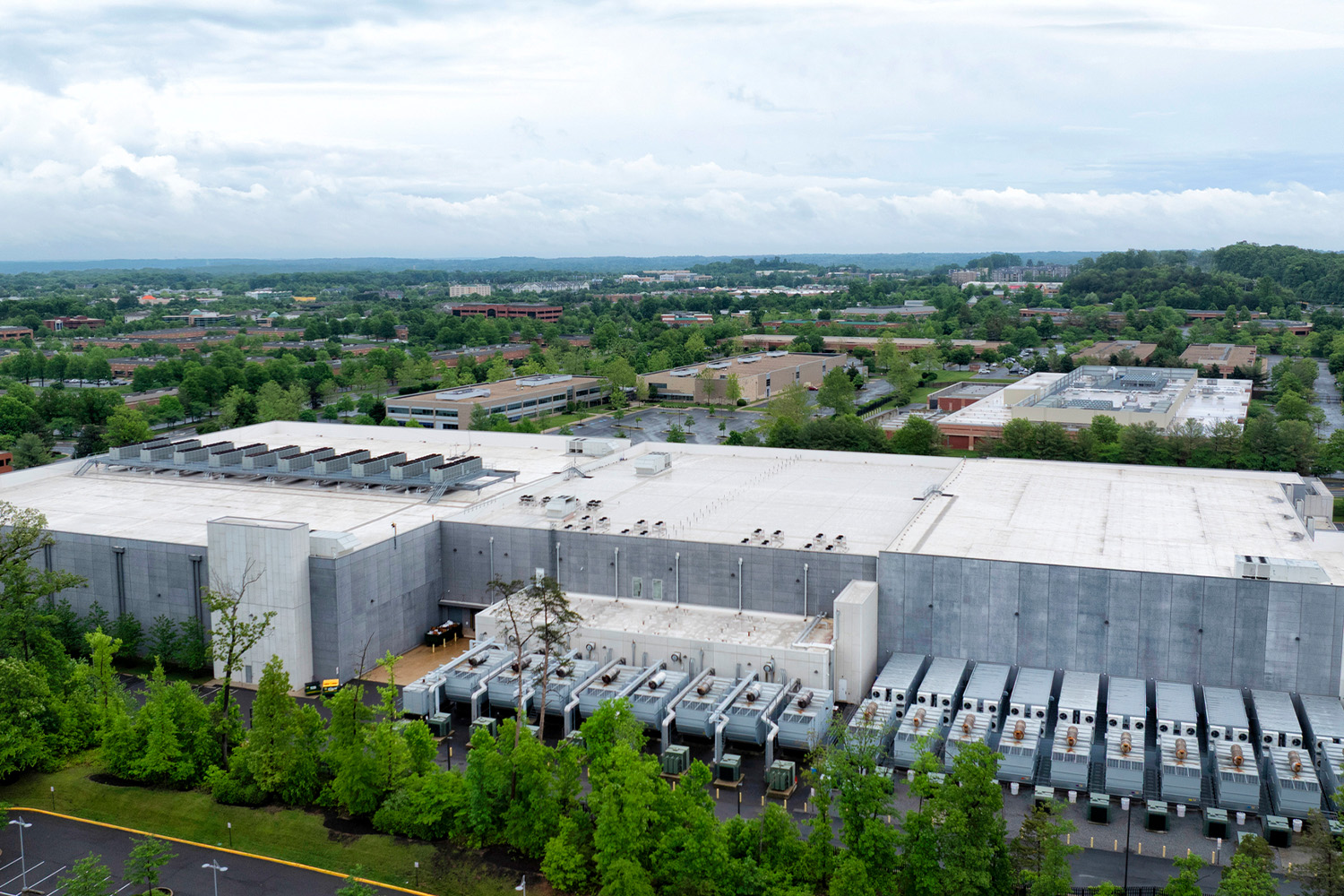
Fast answers still need roof evidence.
We tailor the scope to business continuity, tenant communication, access control, and the roof system already in place. Around Downtown Durham storm-drain and rooftop-equipment density and Golden Belt and Brightleaf adaptive-reuse roof details, the right scope often depends on timing as much as material choice.
Start ReviewWhat gets checked.
We help facilities teams compare immediate repair pressure against long-term roof planning. The recommendation stays practical: what should be controlled now, what needs pricing, and what deserves a capital plan before the next weather window.
We look at membrane seams, roof drains, edge metal, penetrations, rooftop units, previous repairs, and safe access before pricing work.
What owners receive.
A written scope with photos, limits, schedule notes, and a practical recommendation for repair, recovery, coating, or replacement.
Contact UsRelated Roof Paths
Compare the next decision.
Property Management Firm Roofing
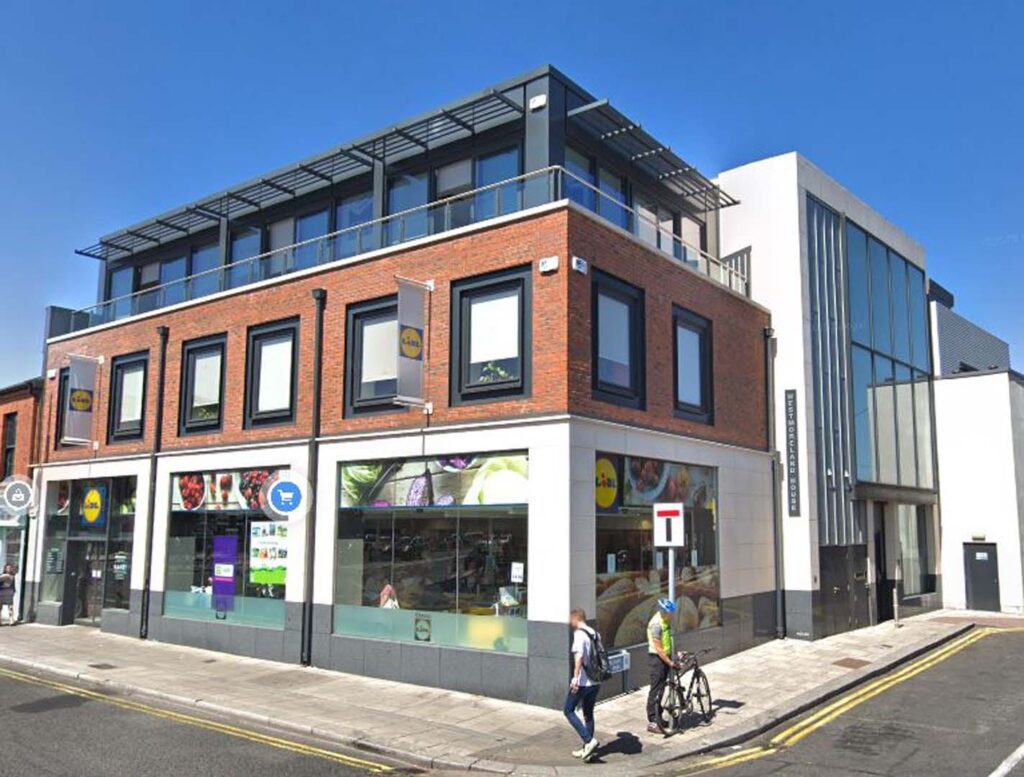
Property Management Firm Roofing starts with roof evidence around American Tobacco Campus roof access and tenant-hour limits. We keep roof communication direct for operators who need documentation, schedule discipline, and clear next steps.
Commercial Real Estate and REIT Roofing
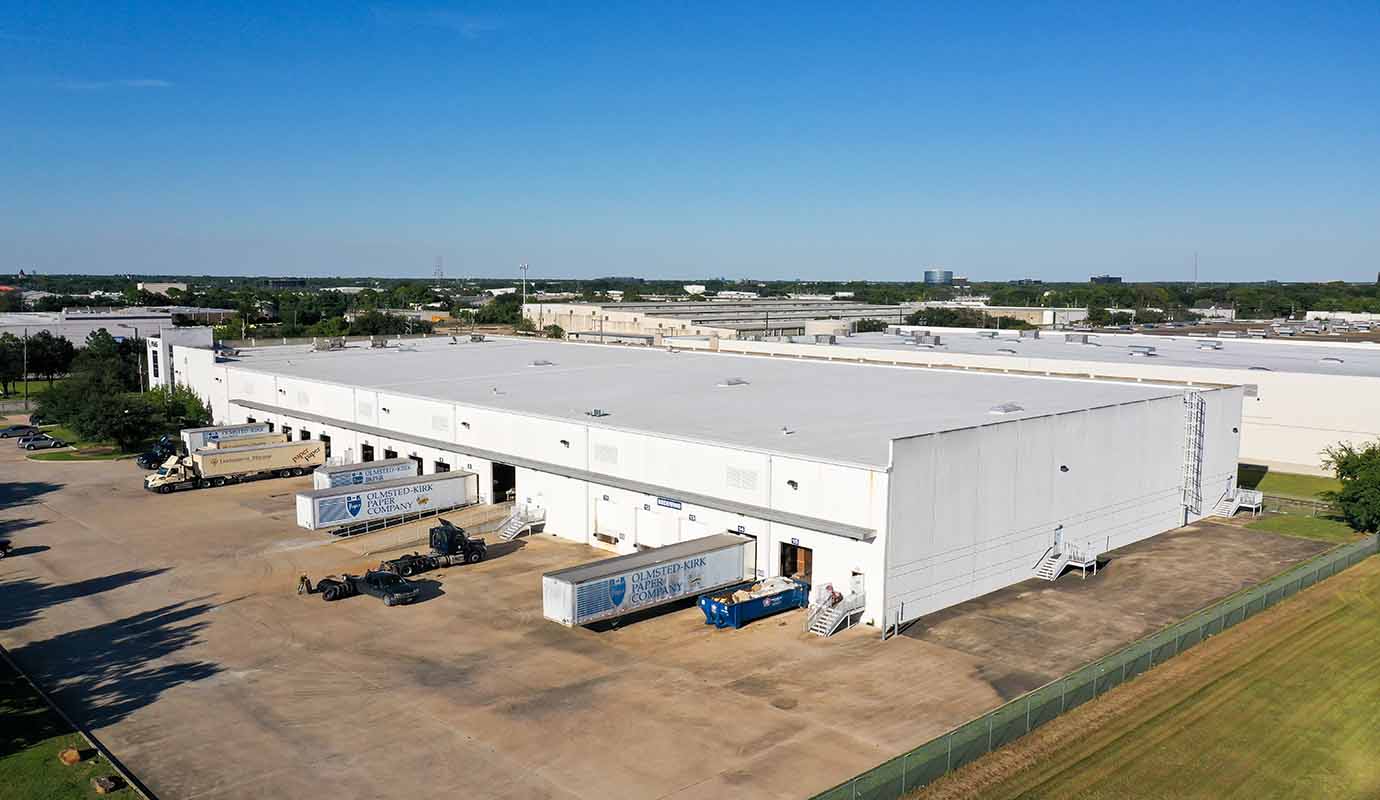
Commercial Real Estate and REIT Roofing starts with roof evidence around Research Triangle Park lab and office schedules. We keep roof communication direct for operators who need documentation, schedule discipline, and clear next steps.
Logistics and 3PL Roofing
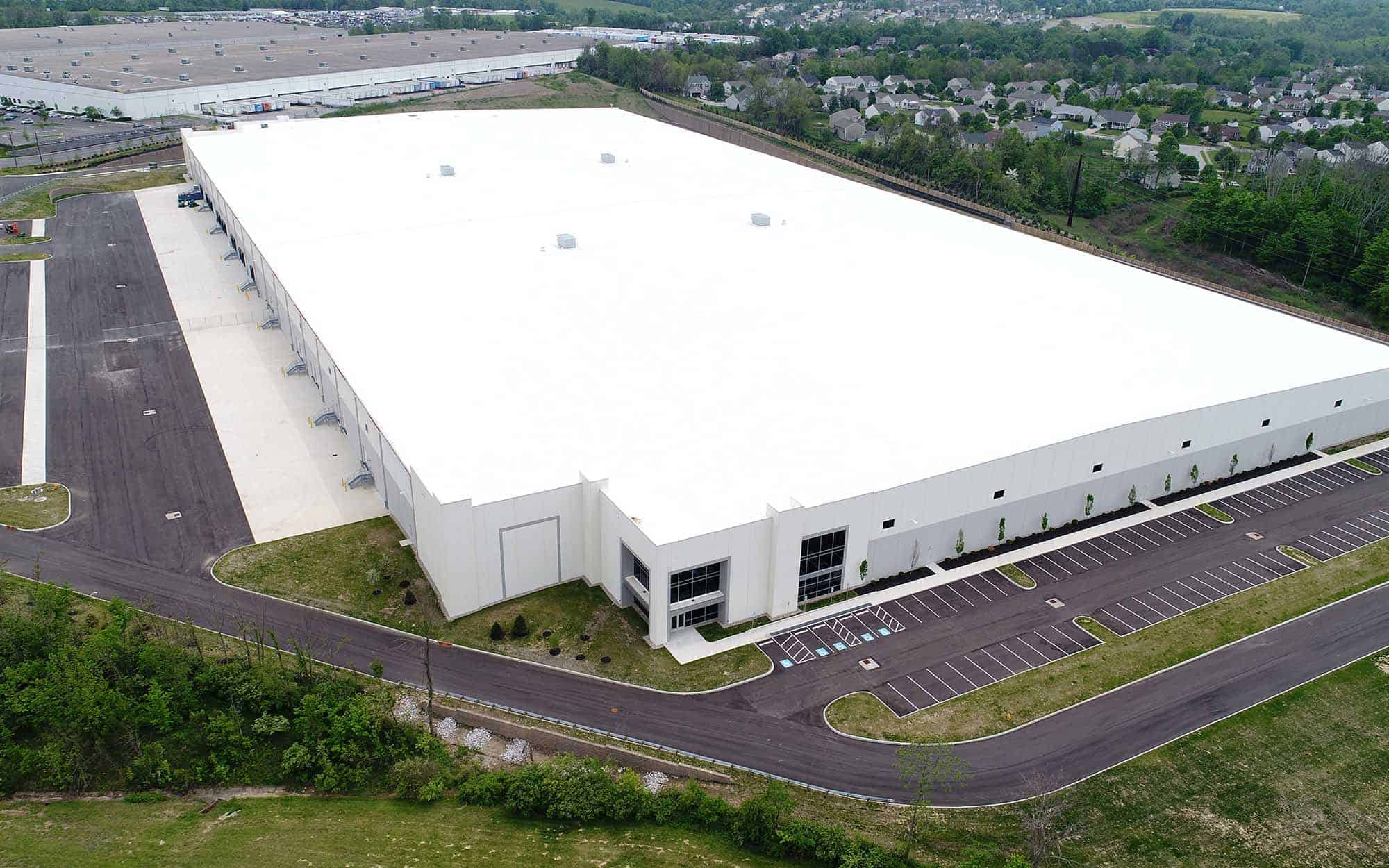
Logistics and 3PL Roofing starts with roof evidence around Treyburn and Ellis Road industrial roof areas. We tailor the scope to business continuity, tenant communication, access control, and the roof system already in place.
Manufacturing Operator Roofing
Manufacturing Operator Roofing starts with roof evidence around Research Triangle Park lab and office schedules. We help facilities teams compare immediate repair pressure against long-term roof planning.
Industries
Commercial Real Estate and REIT Roofing for commercial buildings across Durham, Research Triangle Park, Chapel Hill, Raleigh, and the greater Triangle commercial corridor.
Durham sits at the western edge of the Research Triangle, one of the densest concentrations of research computing infrastructure in the United States. Duke University and UNC Chapel Hill operate extensive high-performance computing facilities that support life science research, genomics, and clinical data analysis at a scale that rivals many commercial data centers. IBM's Research Triangle Park campus has long anchored enterprise computing in the region, and Lenovo's RTP presence adds another major layer of computing infrastructure to the local market. The life science sector's data demands - driven by genomics data volumes, clinical trial computing, and pharmaceutical research - have made Research Triangle Park a significant and growing market for data center construction and renovation, with Durham at its geographic heart.
Data center roofing in Durham must navigate a climate that combines the worst of both worlds: hot, humid summers that drive significant cooling loads and create moisture infiltration risks, and occasional severe winter weather events including ice storms that can load rooftop equipment and stress membrane systems. North Carolina's Piedmont climate produces strong convective thunderstorms in summer and spring that deliver high-velocity wind and hail, while the region's winter ice storm profile - wet, heavy ice accumulation from freezing rain events - creates a different but equally serious roofing stress. Roofing systems specified for Durham data centers must be tested and rated for hail resistance and wind uplift while also addressing the thermal and vapor management demands imposed by the facility's controlled interior environment.
Duke and UNC's research computing facilities present a distinct set of roofing challenges compared to commercial colocation data centers. University research computing buildings are often partially occupied by laboratory and office space, with data center modules embedded within larger mixed-use structures. This means roofing systems must be designed to serve multiple occupancy types, with data center modules requiring higher insulation levels, more robust vapor control, and tighter penetration sealing than adjacent office or lab areas. Roofing contractors who have experience with university campus facilities - including navigating procurement processes, coordinating with facilities management departments, and working around academic calendars - have a significant advantage when competing for RTP research computing projects.
The IBM RTP campus and Lenovo RTP facilities represent enterprise-class data center infrastructure with roofing specifications that reflect the high uptime requirements of global computing operations. IBM facilities in particular have historically maintained rigorous roofing specifications that require FM-approved assemblies, manufacturer-backed warranties of 20 years or more, and contractor qualifications that include data center-specific experience and higher insurance coverage thresholds. Contractors seeking to work on these campuses should plan to invest in the qualification process well before a project opportunity arises, as the approval timeline for vendor qualification at major technology campus facilities can run six to twelve months.
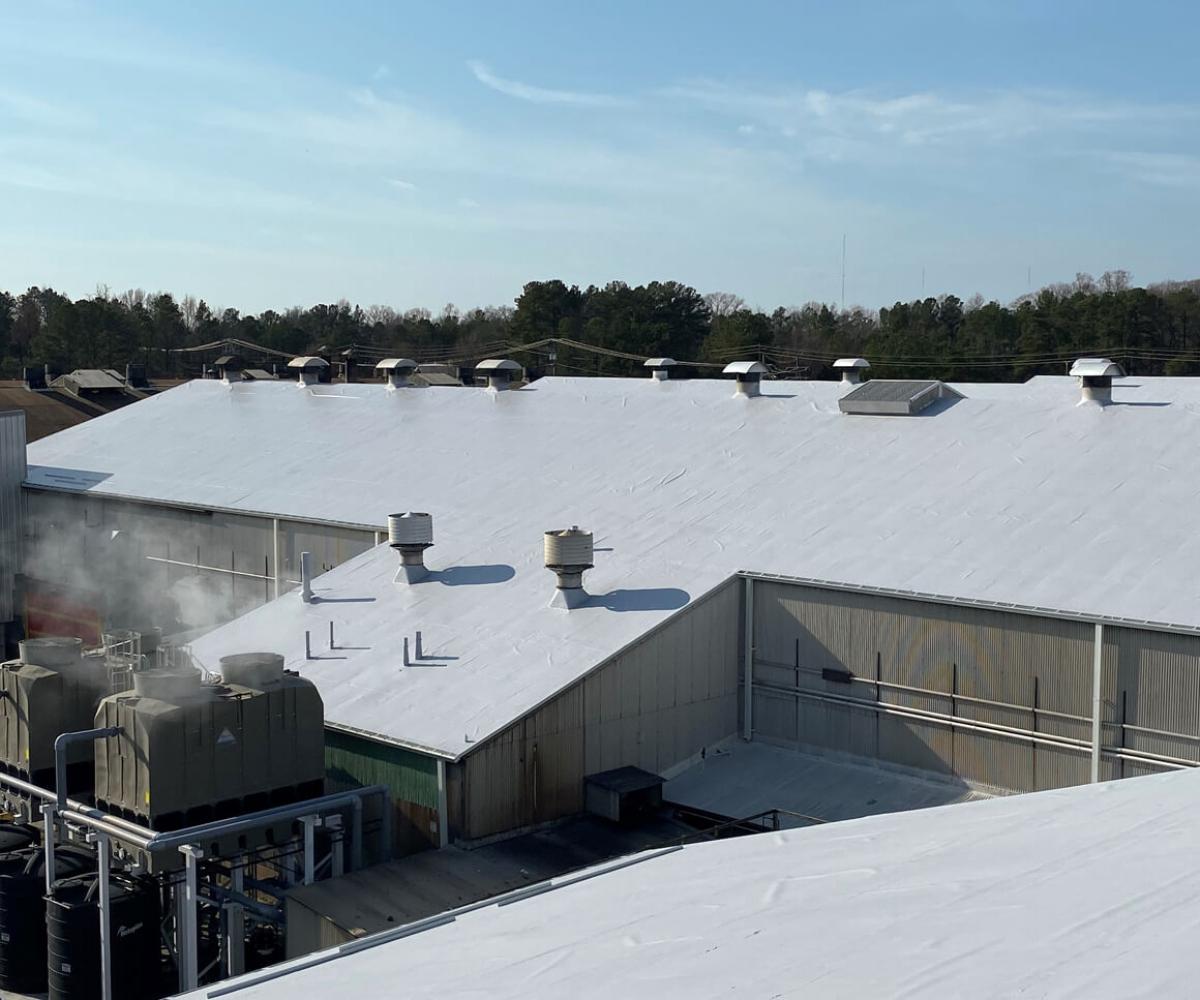
TPO single-ply membranes dominate the new-construction data center roofing market in the RTP area, driven by the material's combination of heat-weld seam integrity, white reflective surface performance in North Carolina's warm climate, and strong cost-performance ratio at the scale of large data center footprints. The reflective surface is particularly valuable in Durham's climate, where cooling loads are the primary energy cost driver for data center operators. A properly specified white TPO membrane can reduce peak cooling demand for a data center facility by measurably reducing the heat gain through the roof assembly during the long summer period. This energy efficiency argument has become a standard part of the roofing specification discussion for data center projects across the RTP market.
Life science data center facilities in the RTP area add a layer of regulatory complexity to roofing projects that standard commercial work doesn't encounter. Pharmaceutical and clinical research facilities operating under FDA and GMP frameworks have documentation requirements that extend to building envelope systems, including roofing. Qualified roofing contractors working on these facilities must be prepared to provide installation documentation packages that meet validation requirements, including material certifications, installer qualification records, and QC inspection reports that the facility's quality team can incorporate into the building's validation dossier. Contractors without experience in regulated facility environments will find this documentation burden unfamiliar, but it is a standard expectation in this segment of the Durham market.
Vapor management at Durham data centers requires careful attention to the region's high summer humidity. North Carolina's Piedmont summer routinely produces dew points above 70°F, creating strong inward vapor drive toward the cooled, dehumidified data center interior. A vapor retarder assembly that works well in a dry climate will underperform in Durham's conditions, and specifying the right vapor control layer - in terms of both material permeability and installation placement within the roofing assembly - is essential to long-term roofing system performance. Contractors with hygrothermal modeling capability can demonstrate to data center facility managers exactly how their proposed assembly will perform across Durham's full climate range, which is an increasingly valued service in this technically demanding market segment.
The Research Triangle's continued growth as a life science computing hub means that data center roofing demand in Durham will expand alongside the regional biotech and pharmaceutical sectors. North Carolina's success in attracting life science investment - driven by the combined research assets of Duke, UNC, and NC State - positions the RTP data center market for sustained growth over the next decade. Commercial roofing contractors who develop genuine expertise in data center roofing requirements, including FM system qualification, vapor design, life science documentation, and large-format mechanical coordination, will find an expanding market for their services as the regional digital infrastructure footprint grows.
Maintenance programs for Durham data centers should address both the predictable seasonal stresses of the local climate and the continuous mechanical loads imposed by rooftop cooling infrastructure. Annual spring inspections following winter ice storm season help identify membrane stress from ice loading before minor issues escalate. Summer inspections following severe storm season address hail impact damage and wind-driven debris. Facilities with heavy rooftop equipment populations benefit from semi-annual structural load monitoring to ensure that equipment additions haven't pushed roof systems toward their design limits. Contractors who can offer this integrated maintenance approach - combining membrane assessment, thermal scanning, structural monitoring, and documentation - provide data center operators with a comprehensive roof management service that reduces both maintenance costs and operational risk.